Abandoned Cultural Heritage of Tskaltubo

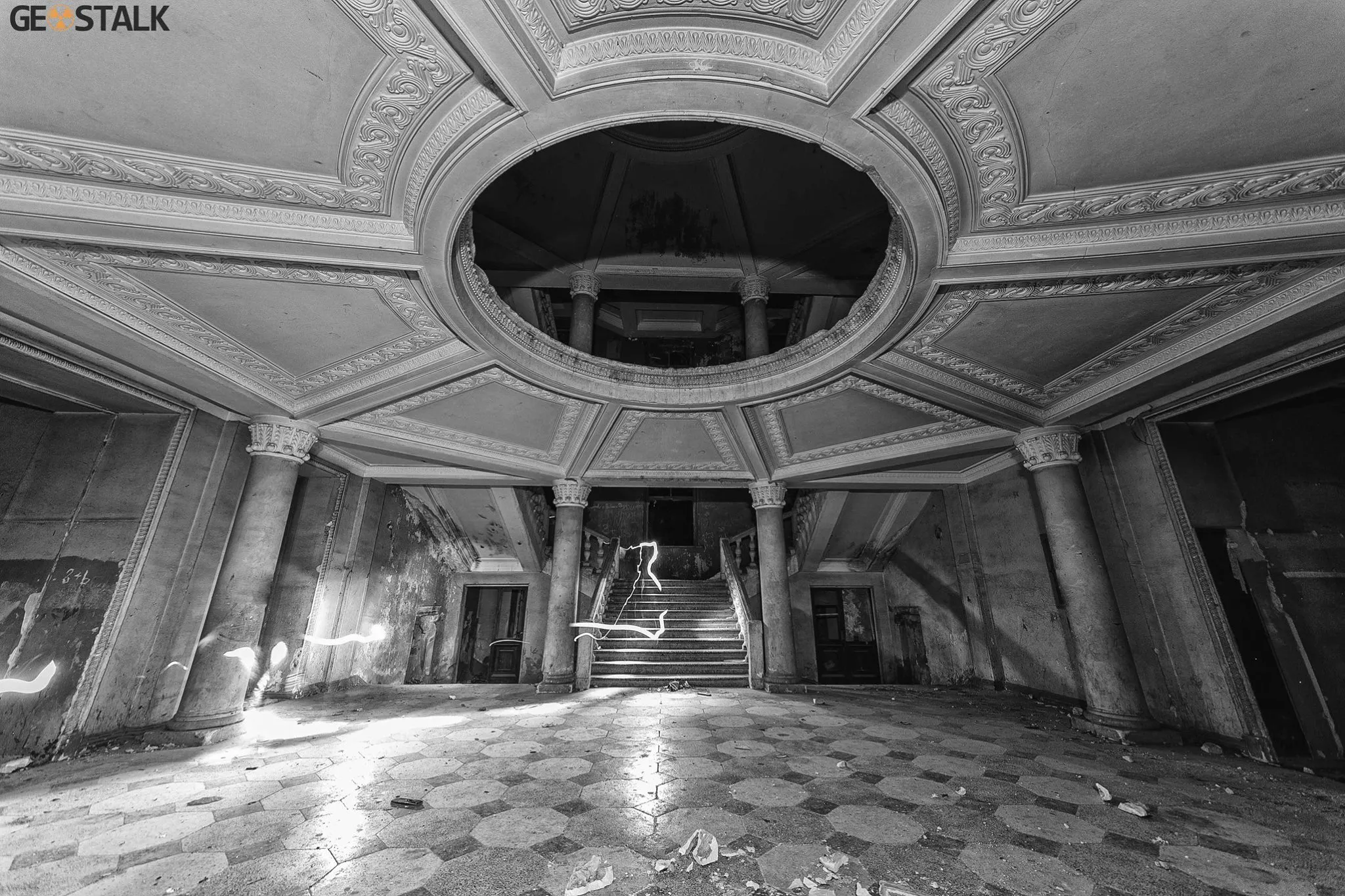
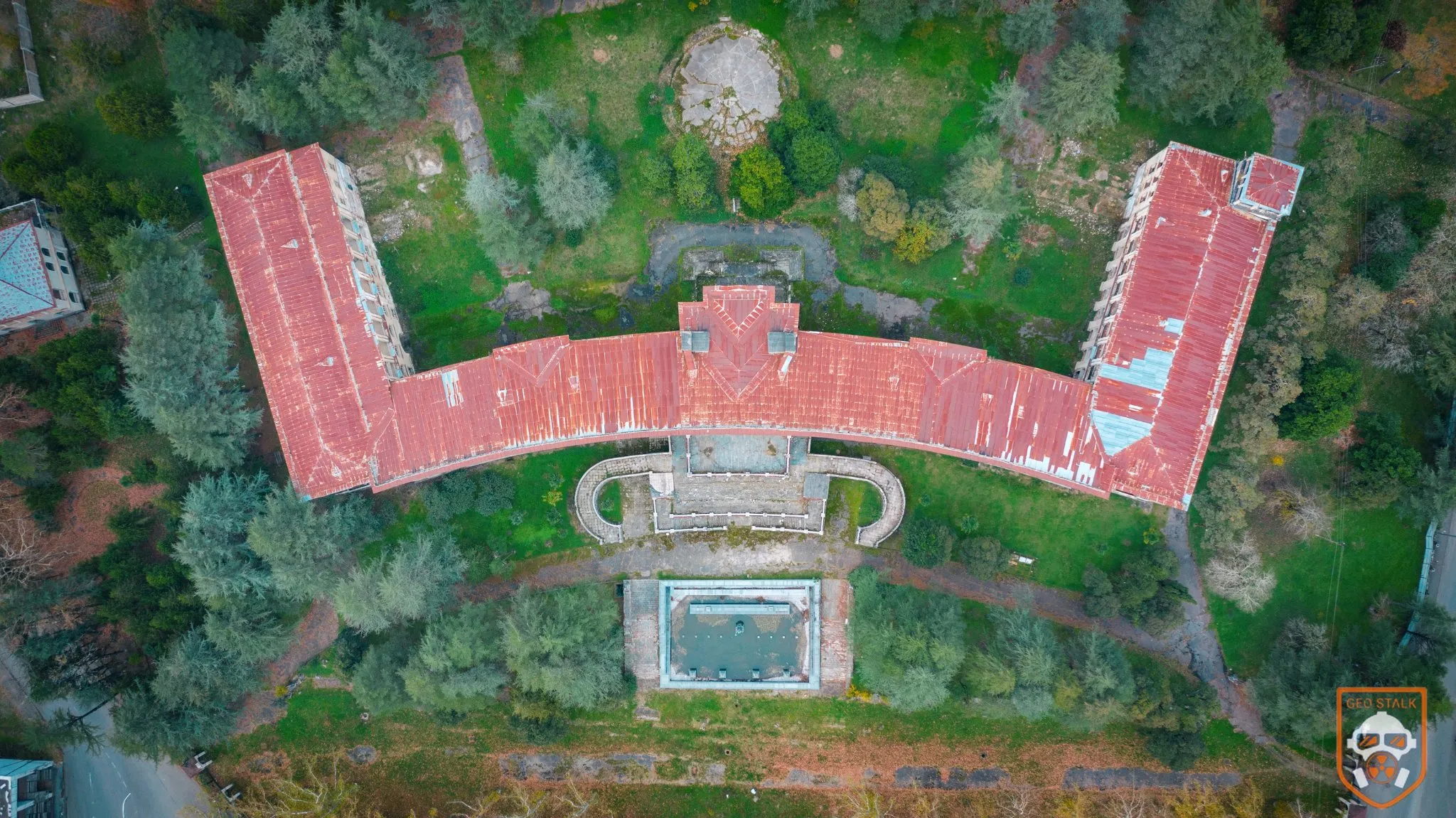
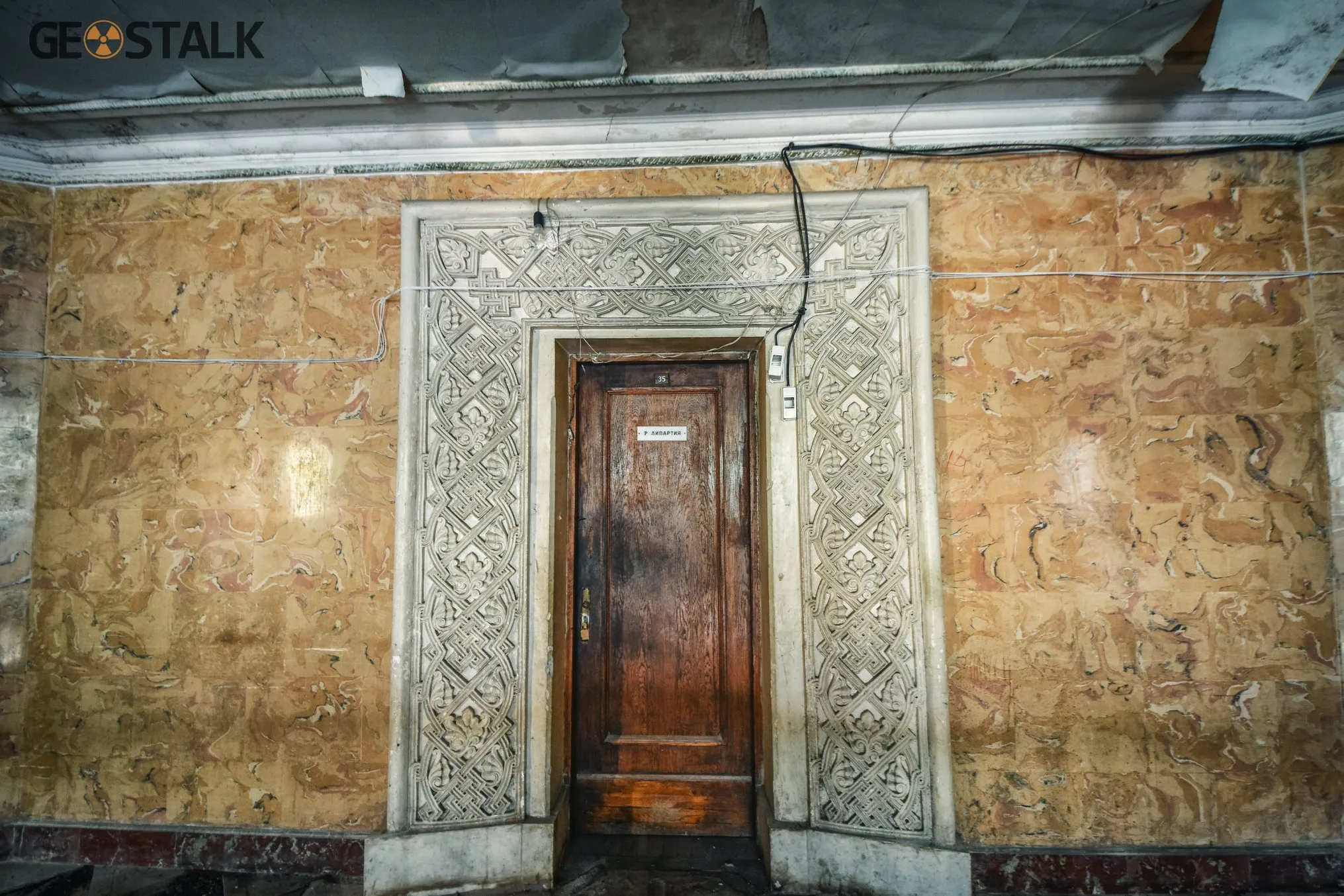
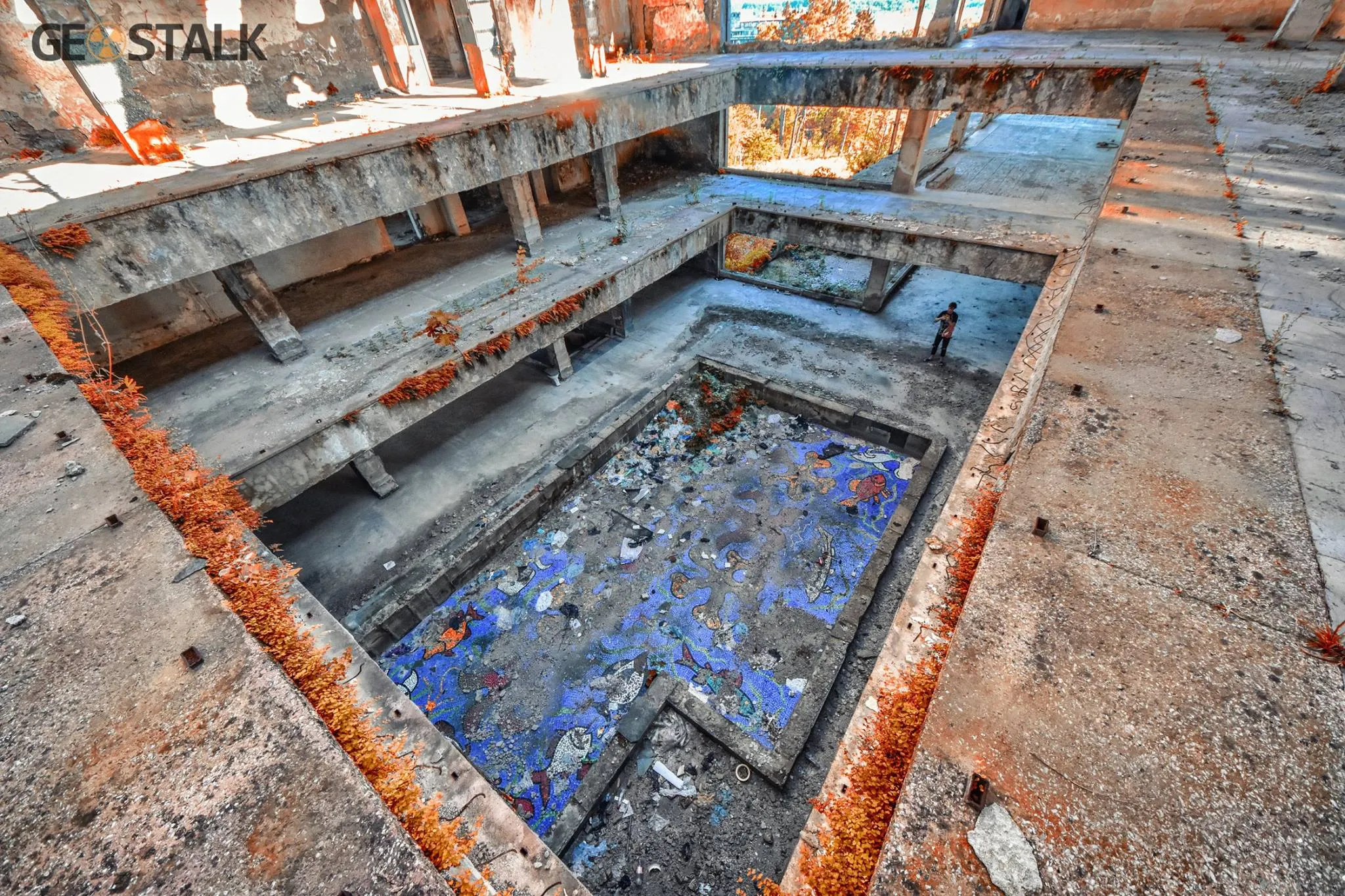
Just outside Kutaisi – barely a 20-minute drive – Tskaltubo is an easy day trip and a place that feels unlike anywhere else in the region. With its faded grandeur, it’s a dream for anyone interested in old Soviet architecture, forgotten spaces, and atmospheric photography. The whole town carries a strange, magnetic mood shaped by decades of history.
The healing springs here, often called the “Waters of Immortality,” were mentioned as far back as the 13th century. One story says a shepherd stumbled upon them by chance; another credits the noble Ioseli family with recognizing their value.
The fame of Tskaltubo began in the late 19th century, when its warm radon-carbonate springs were studied and officially recognized for their therapeutic qualities. The waters flow at a constant natural temperature of around 33°C, making them ideal for health treatments without additional heating. Early visitors came for relief from joint diseases, skin conditions, and circulation problems.
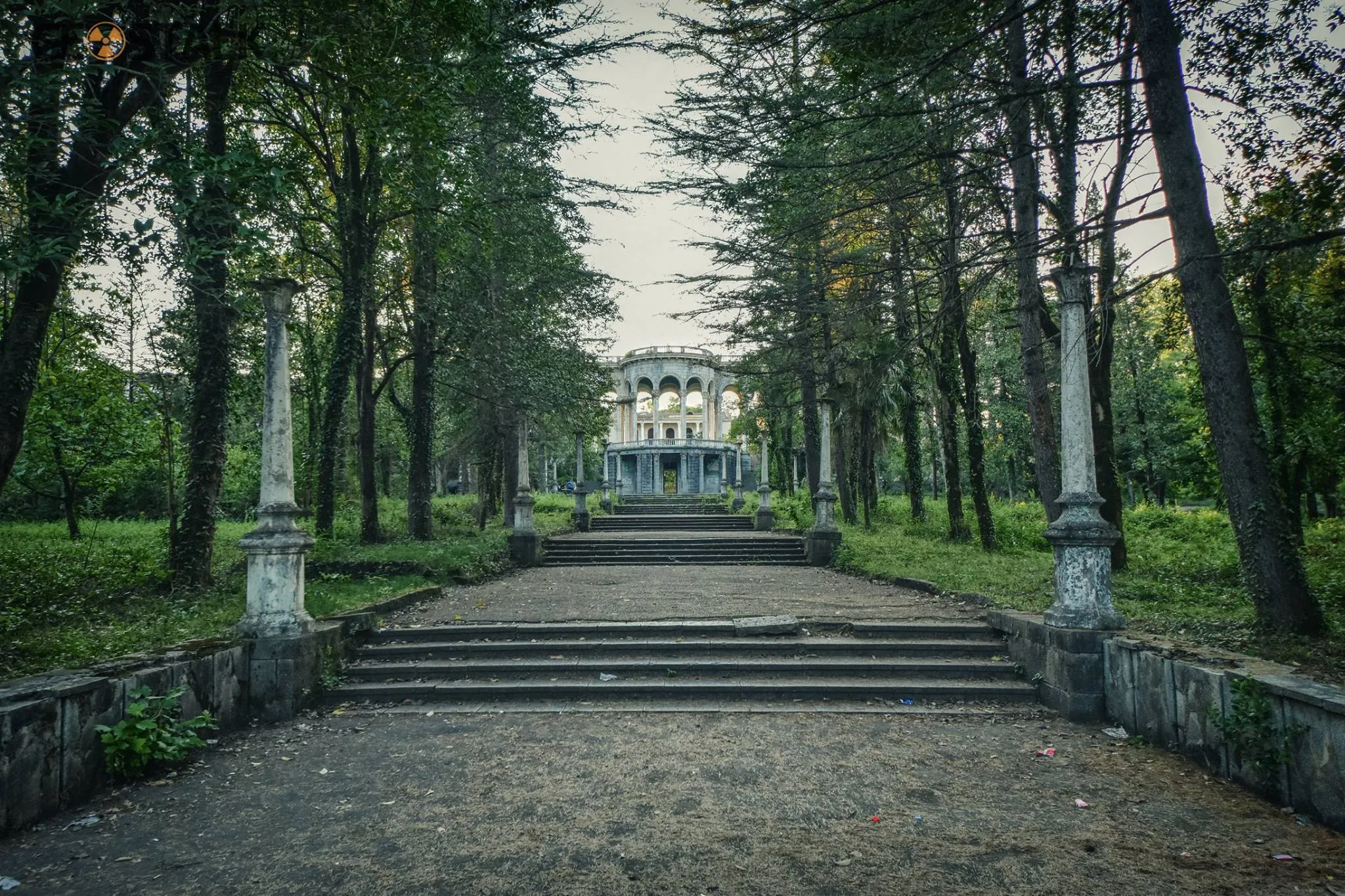
The real transformation happened during the Soviet period. From the 1930s to the 1980s, Tskaltubo became one of the most important wellness destinations in the USSR. A full resort city grew around the springs — sanatoriums, bathhouses, parks, and large hotels arranged in a radial layout leading toward the central baths. These buildings were ambitious in scale and architectural style. Some were classical, some more modernist, but all were designed to impress and to accommodate thousands of visitors. At its peak, the resort welcomed around half a million guests a year. High-ranking Soviet officials, factory workers on state-funded vacations, and families from across the union came here for multi-week treatment courses. Bathhouse No. 6 — the grand rotunda — was the core of the resort, where visitors could take individual baths, group therapies, and health procedures based on the natural springs.
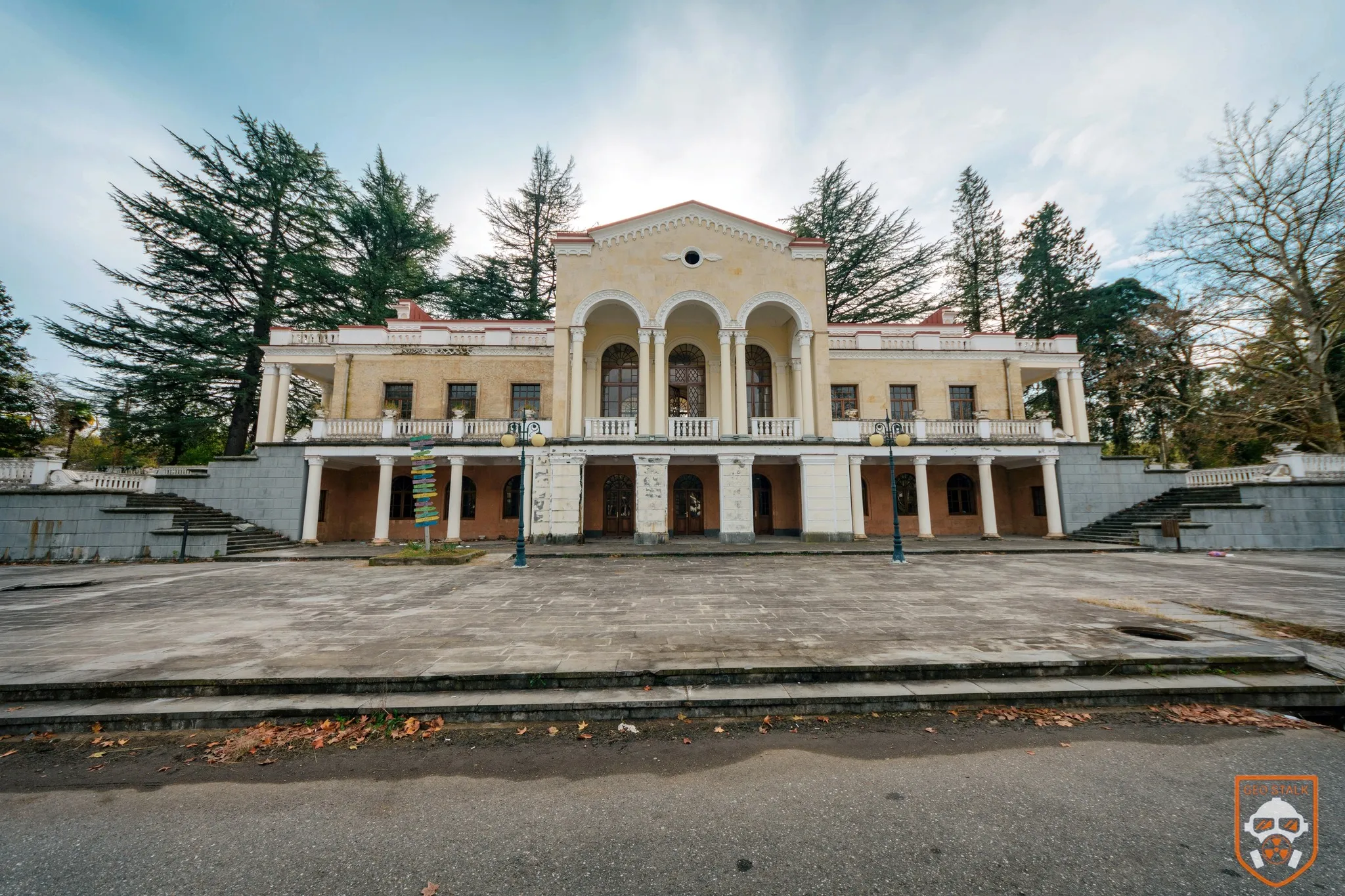
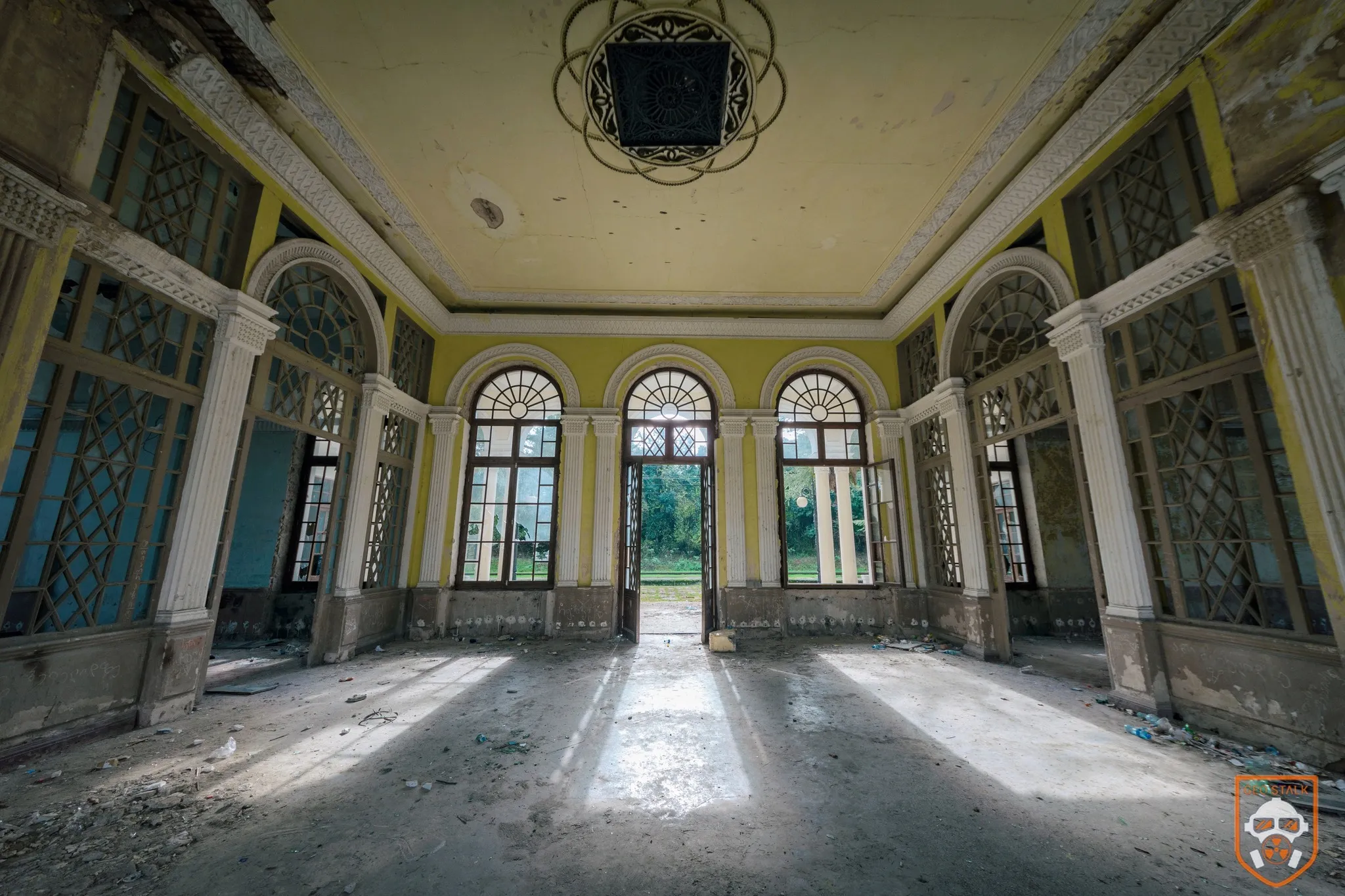
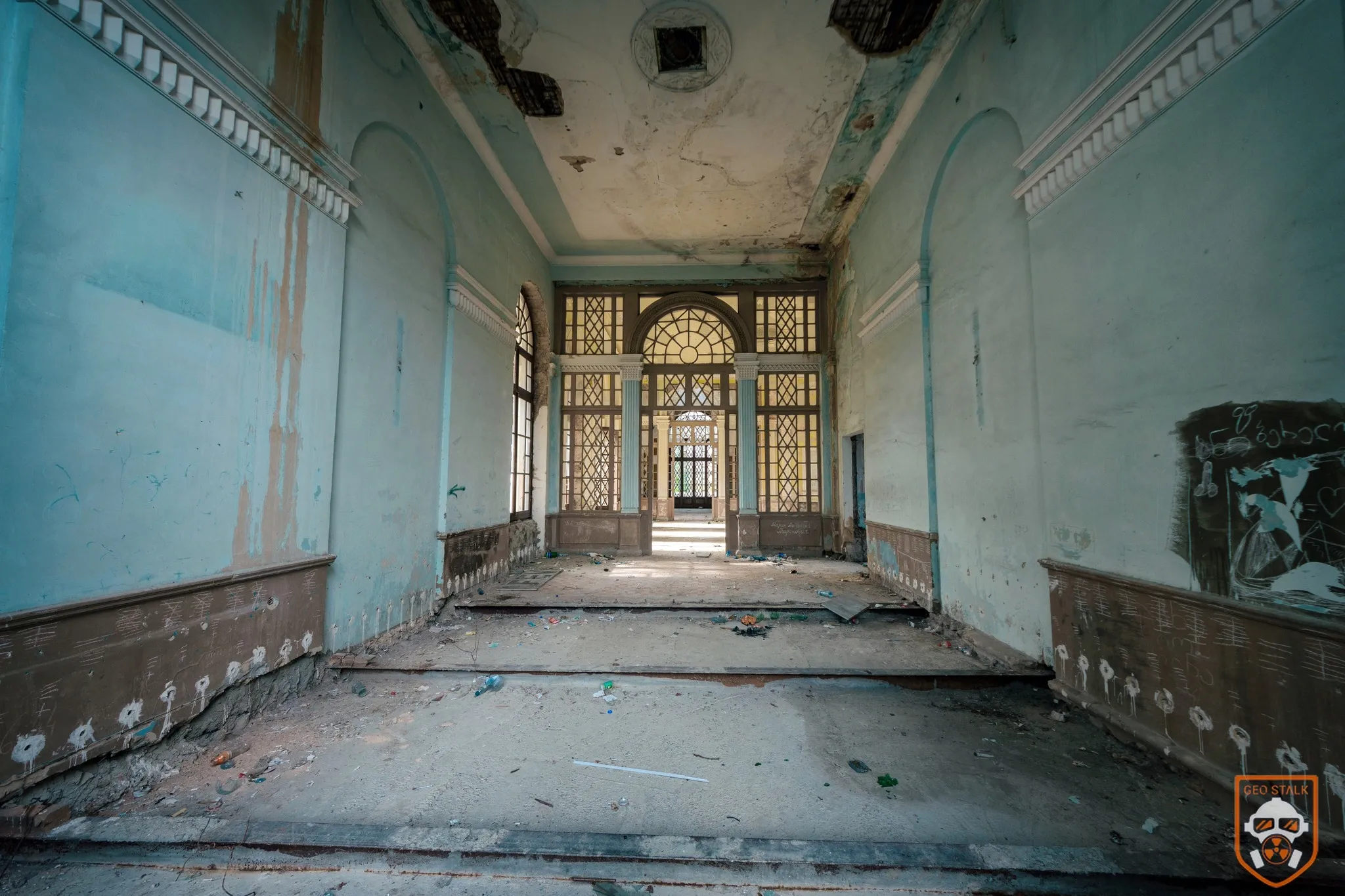
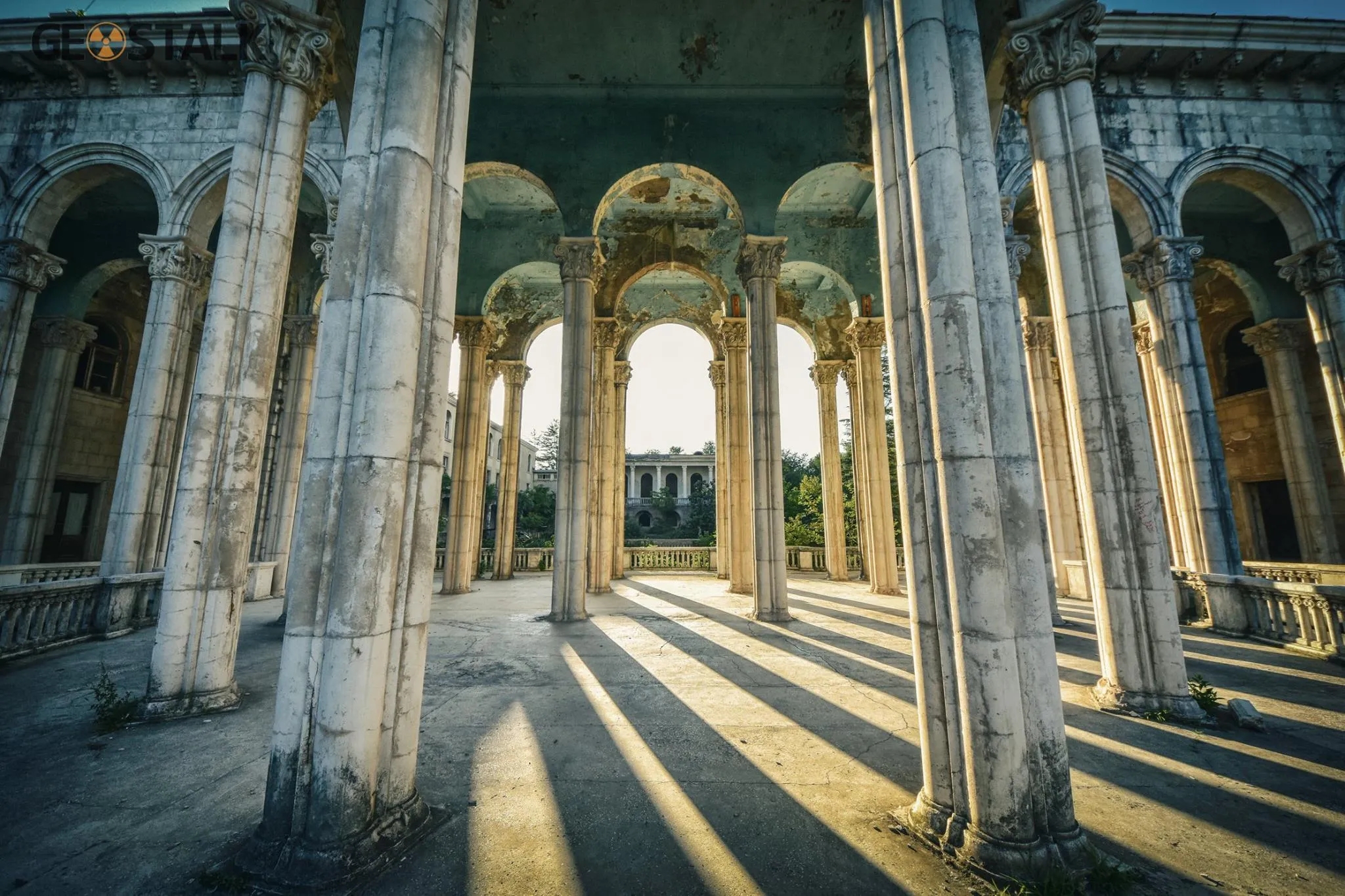
The collapse of the Soviet Union changed everything. Tourism vanished, funding stopped, and many sanatoriums became temporary housing for displaced people from Abkhazia. Over time, a large part of Tskaltubo fell into disrepair. Despite its decline, the atmosphere of a once-grand spa town remains visible everywhere: wide boulevards, monumental sanatoriums, long arcades, and the deep quiet of abandoned halls.
Today Tskaltubo stands between its past and its future, still carrying the spirit of one of the most iconic spa towns of the Soviet era. It is in the middle of a major transformation — and the pace is accelerating. With several sanatoriums now sold to private investors and construction already visible in parts of town, the window to experience Tskaltubo in its current, half-forgotten state is closing.
Attempts to revive the resort have come and gone over the years. None of the 15 state-owned sanatoriums were restored, and many ended up abandoned for decades. Now some of them are being put back on the market, fenced off, or prepared for renovation. Work has already begun on Sanatorium Tbilisi, which is expected to reopen as a Marriott. As a result, a few buildings that were once freely accessible can’t be entered anymore.
Despite this, the heart of the spa culture hasn’t completely faded. Springs No. 2 and No. 6 still operate, along with other treatment centers in the central park. The restored Tskaltubo Spa Resort continues to draw visitors, and the town has seen a wave of new cafés, hotels, and restaurants.
It’s important to remember that some buildings are still home to families displaced from Abkhazia. They’re generally used to seeing visitors, but it’s essential to be respectful — many of the places people photograph or explore are lived-in spaces, not empty ruins.
Finally, exploring Tskaltubo comes with its own risks. Many structures are severely deteriorated, and moving around inside them can be genuinely unsafe.
Almost all the photographs belong to the organization Geo Stalk that films all abandoned and peculiar places in Georgia and other countries as well. They take great photos l and maybe even organize tours to these destinations. Definitely do check their Facebook page for more information and more locations – Geo Stalk – Urbex And Hiking


Post Office Of Tskhaltubo
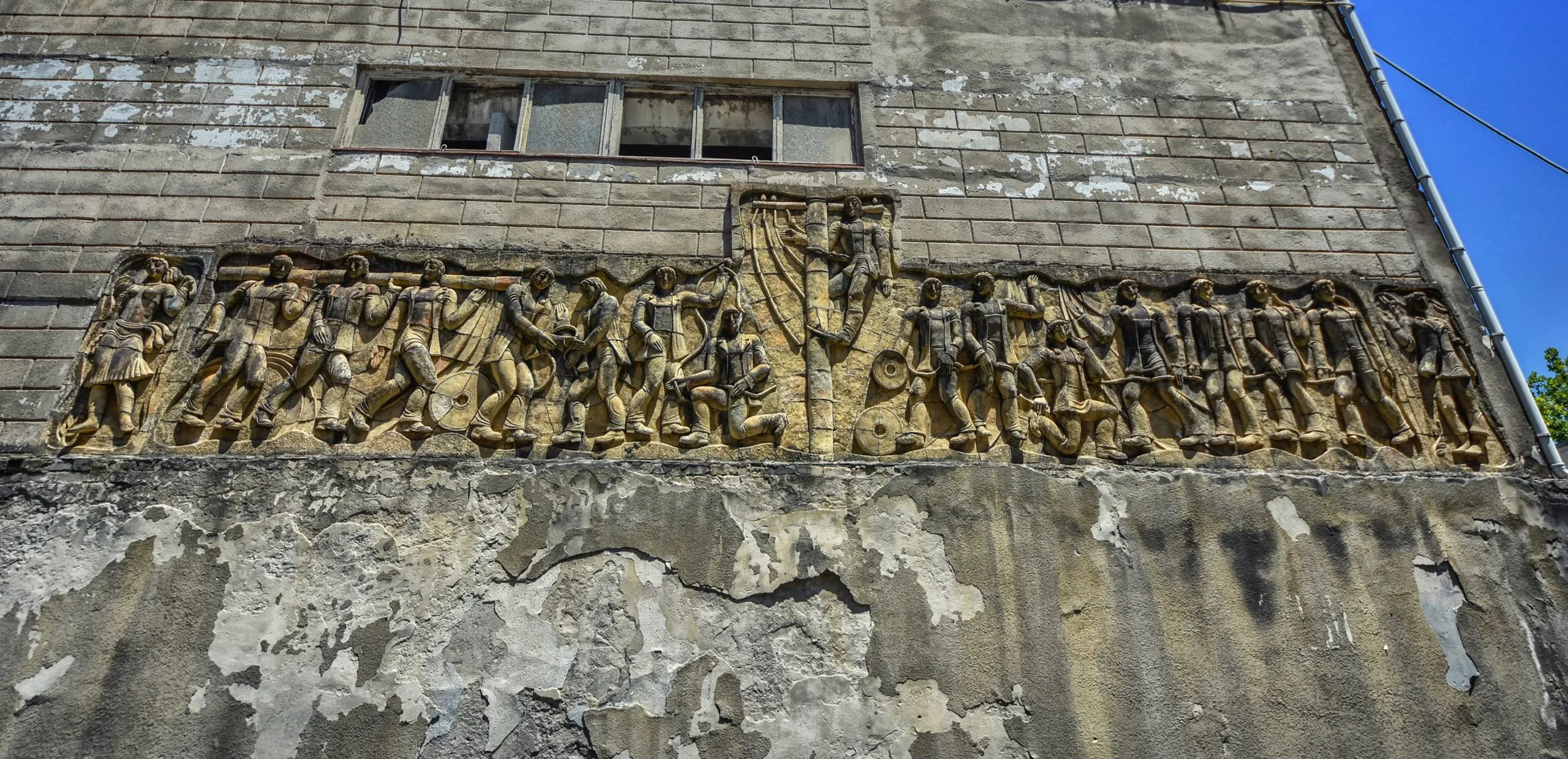
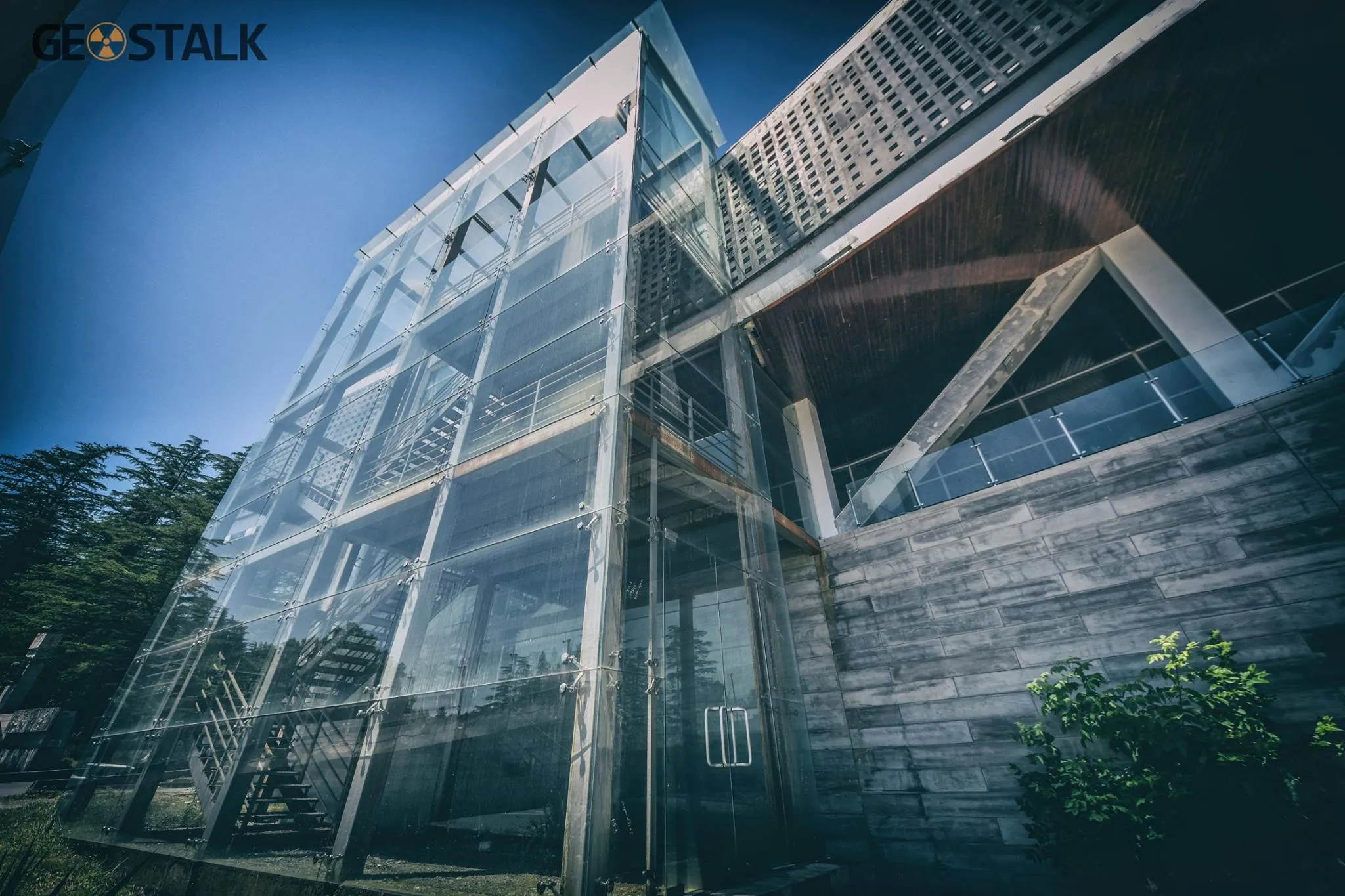
Built in the 1970s, the building once housed the local post office, a club, long-distance phone services, and other facilities typical for that era. In the late 2000s it received a partial renovation: the exterior was replaced with a modern glass façade, while the interior was left almost untouched. The post office appears to have been abandoned in 2013, based on calendars and documents still inside. One of the most interesting features is a stained-glass panel positioned behind the operators’ desks. The structure has three floors and a basement, and outside stands a barrel-shaped sculpture depicting communications workers.
View on map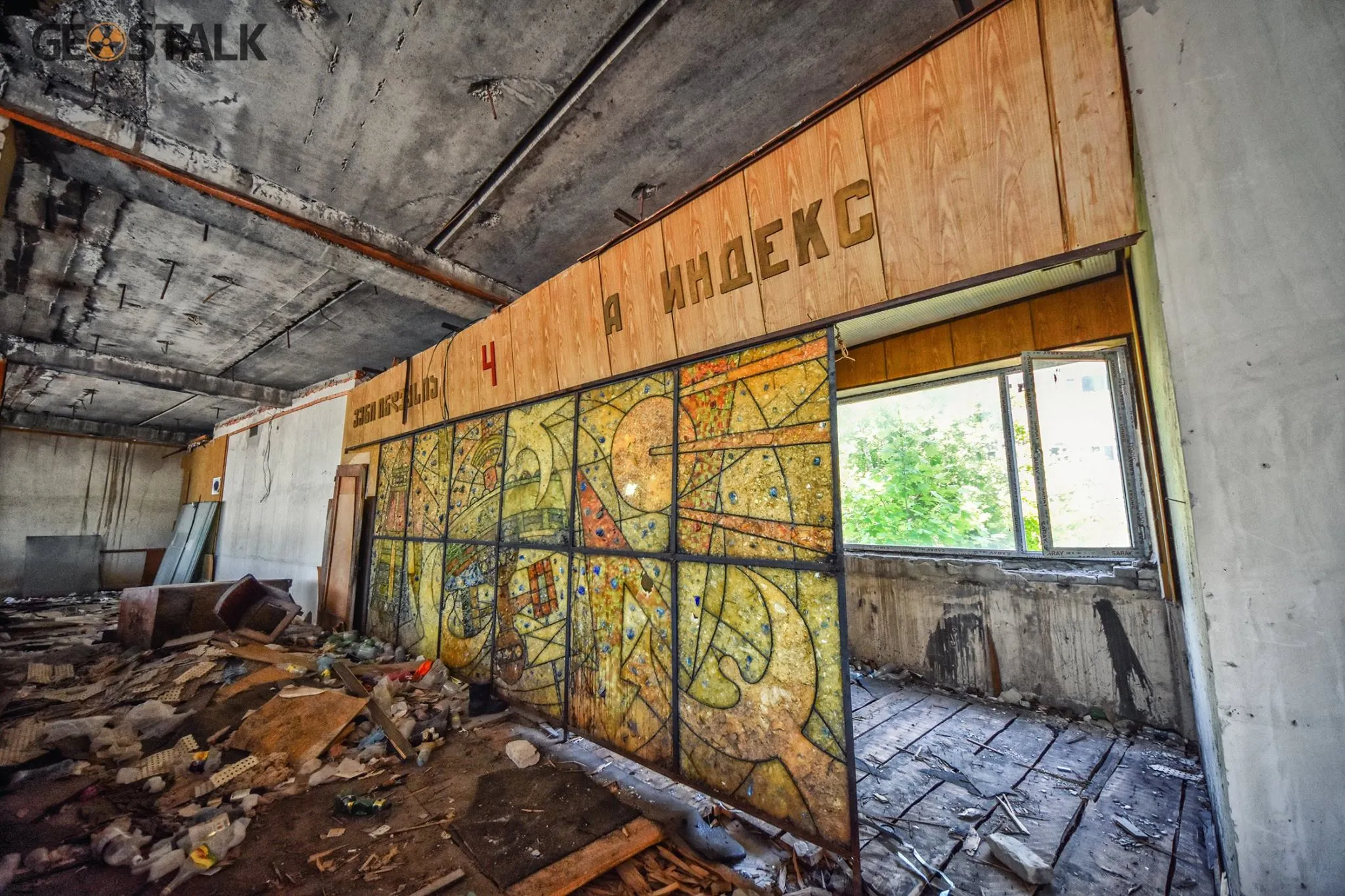


Abandoned Photo Studio
As one of the most visited resorts in the region, Tskaltubo had a strong demand for photography services. At its peak in the 1970s, the town had several photo studios. Most closed after the Soviet Union collapsed, and the last ones disappeared by the late 1990s.


Sanatorium Imereti
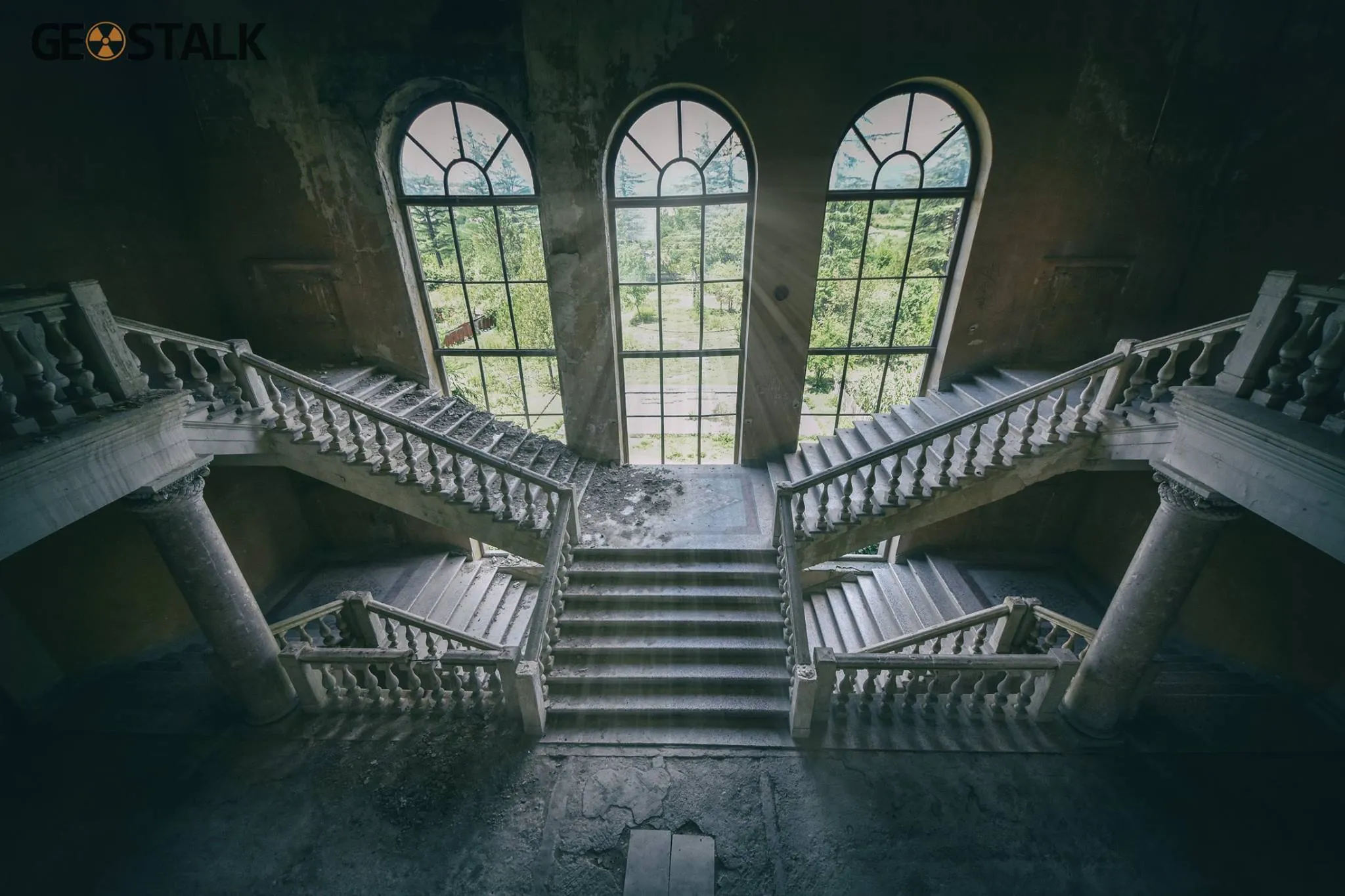
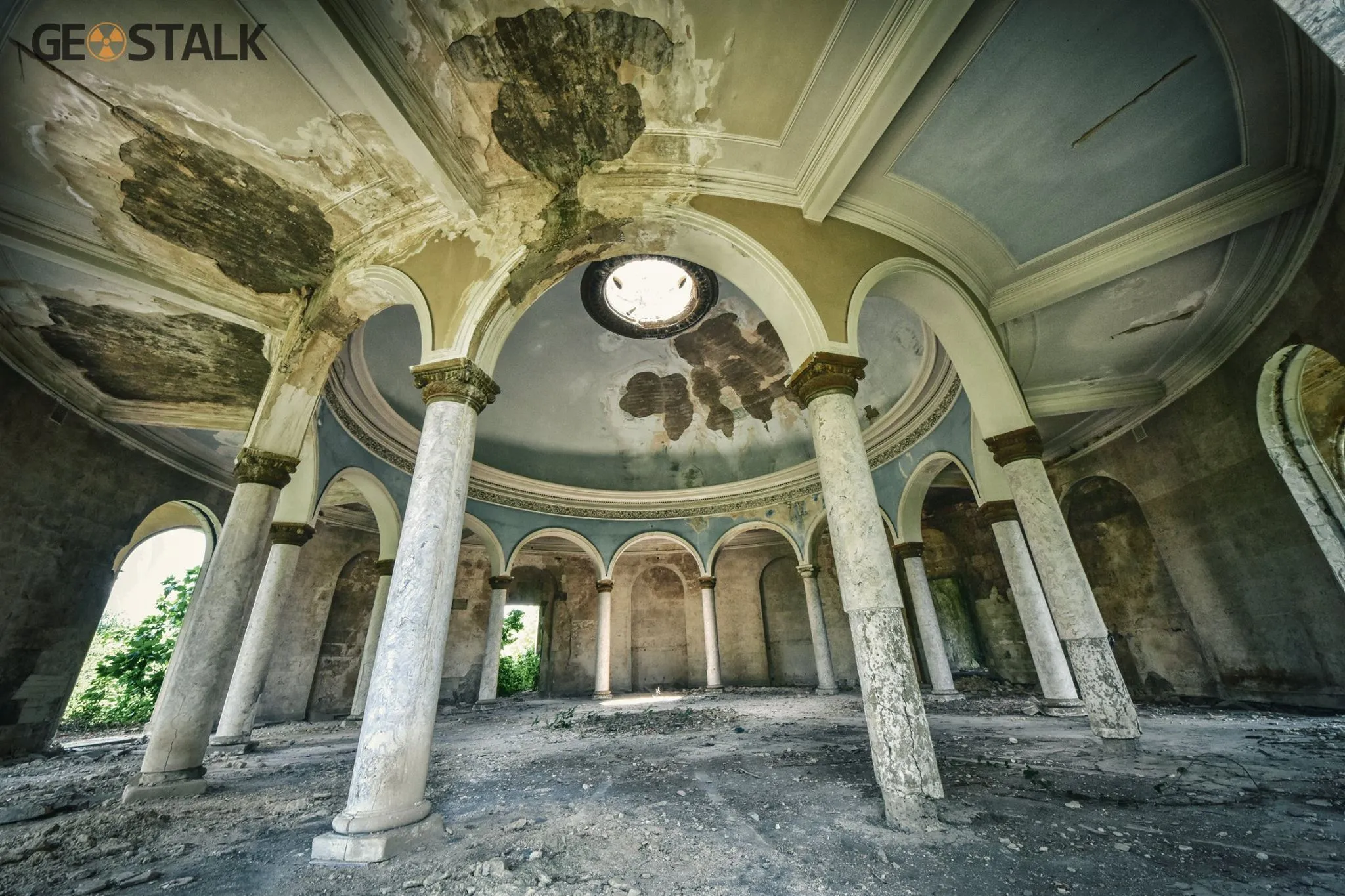
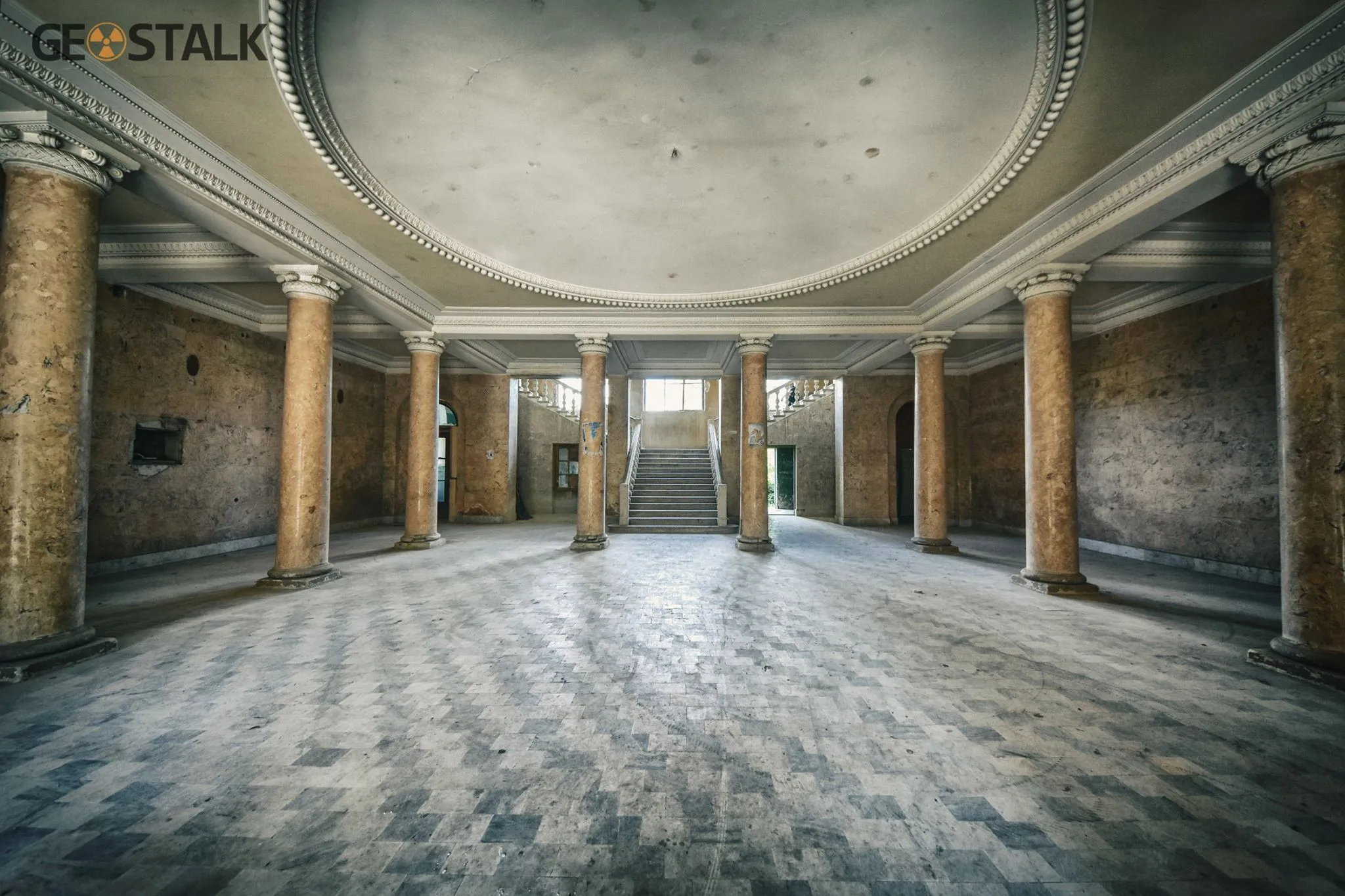
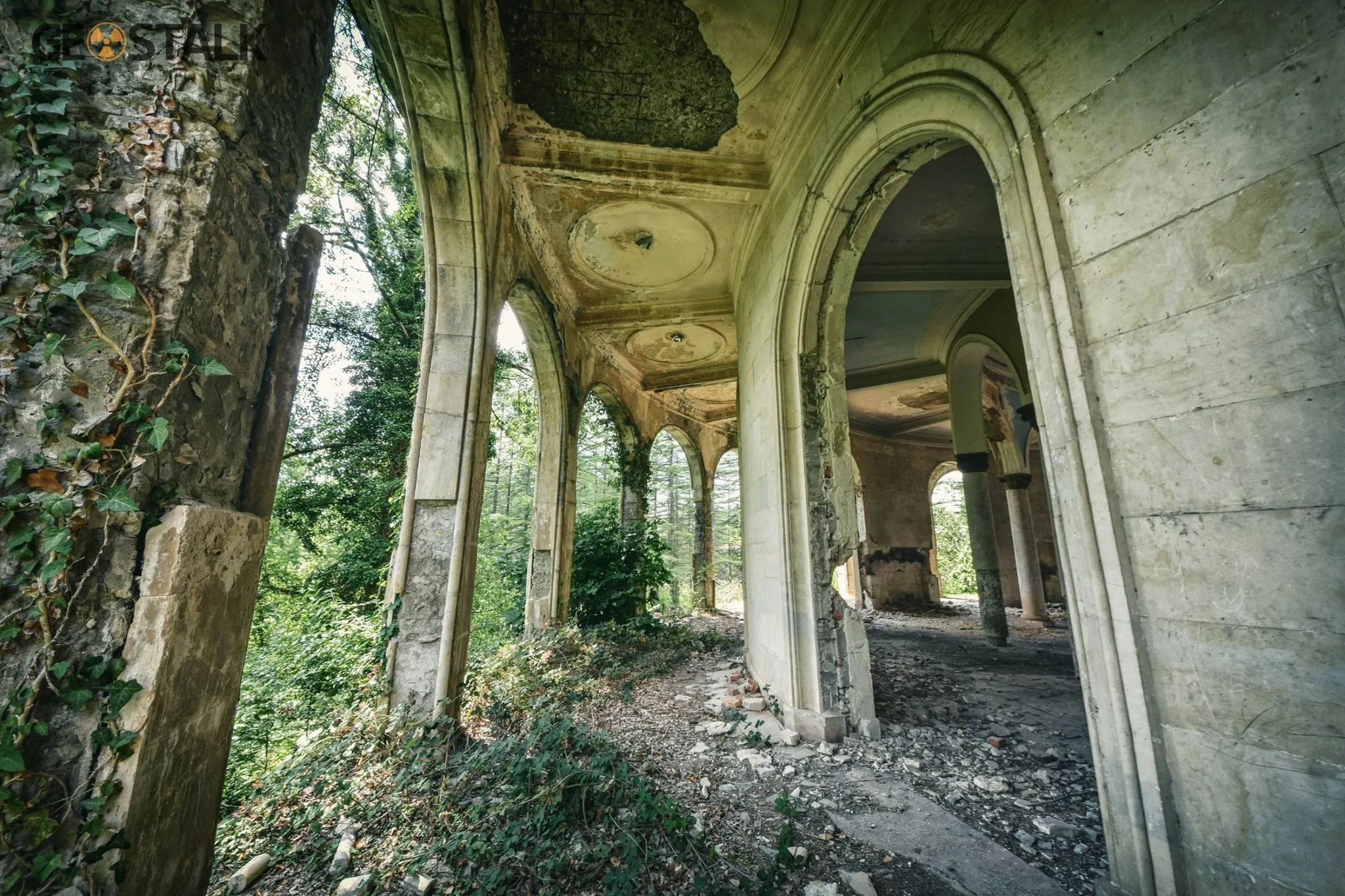
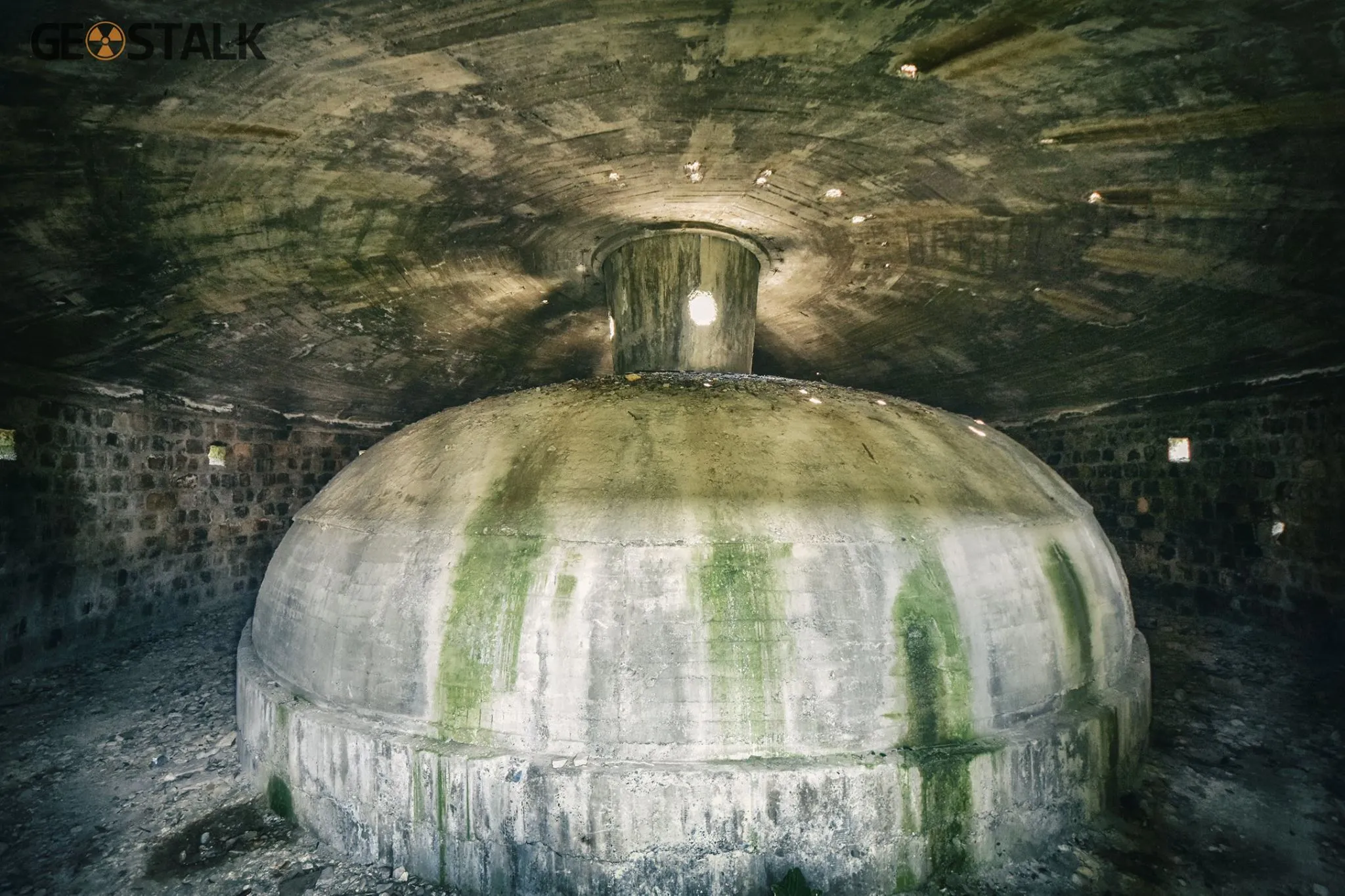
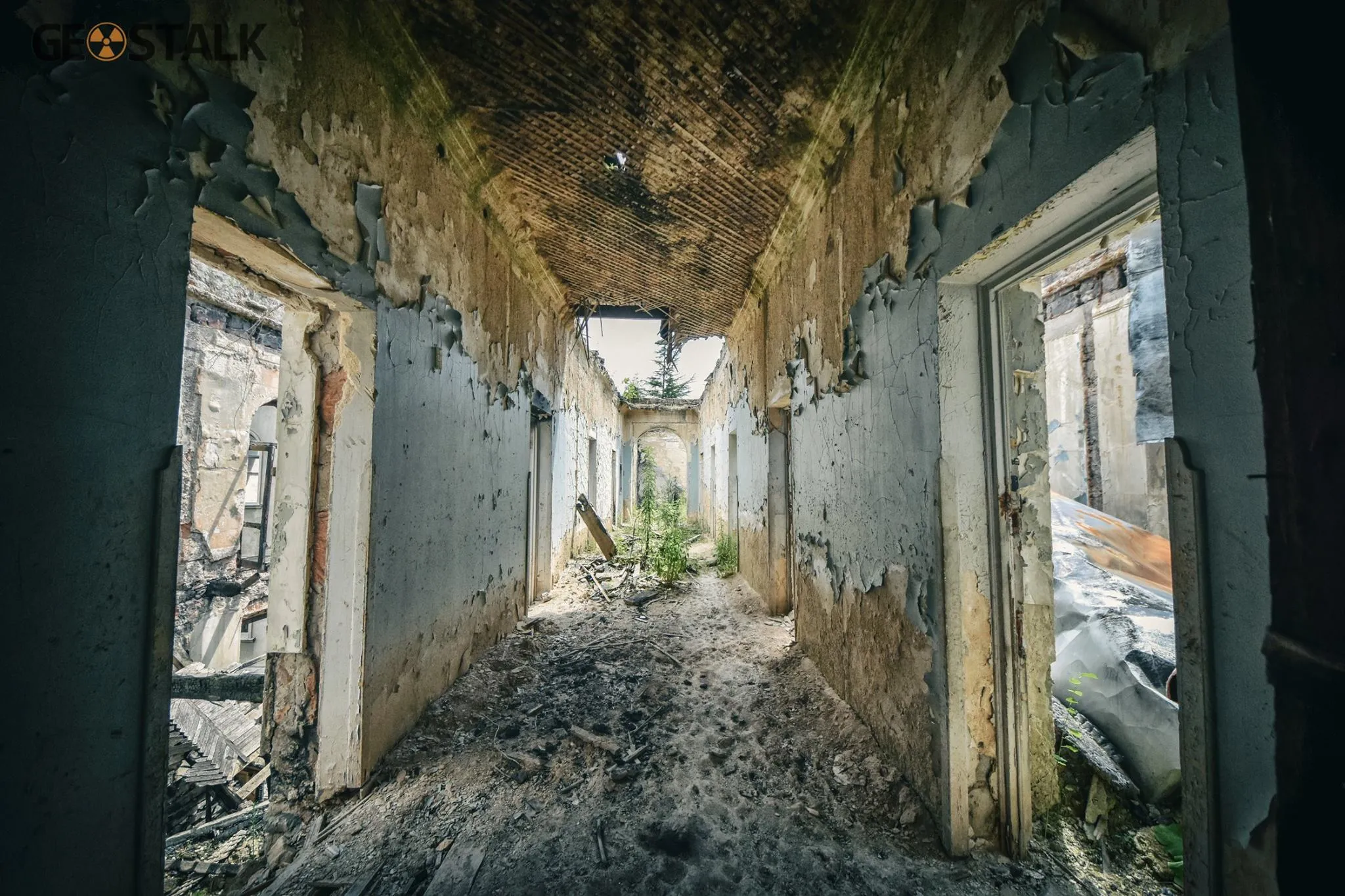
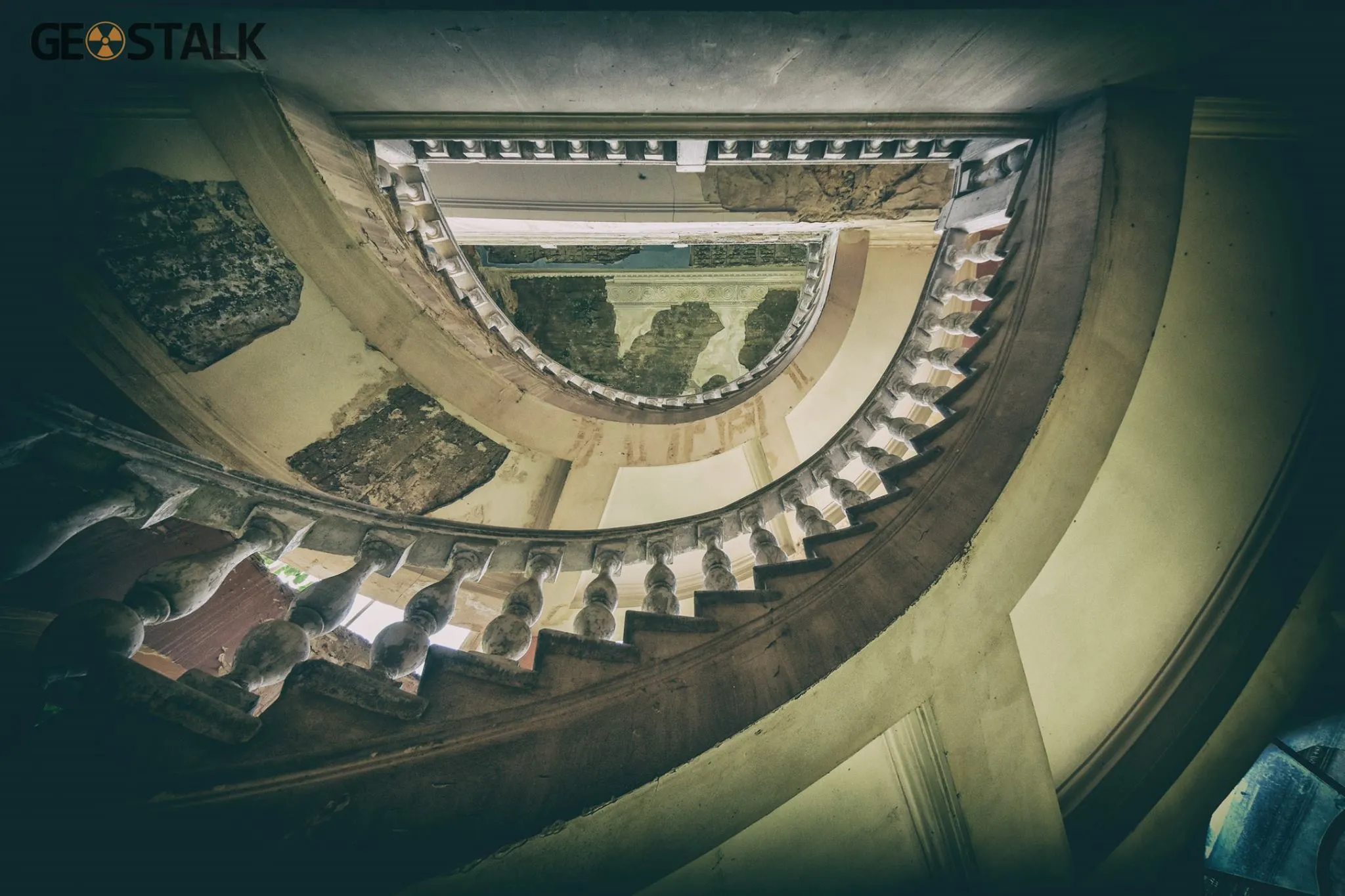
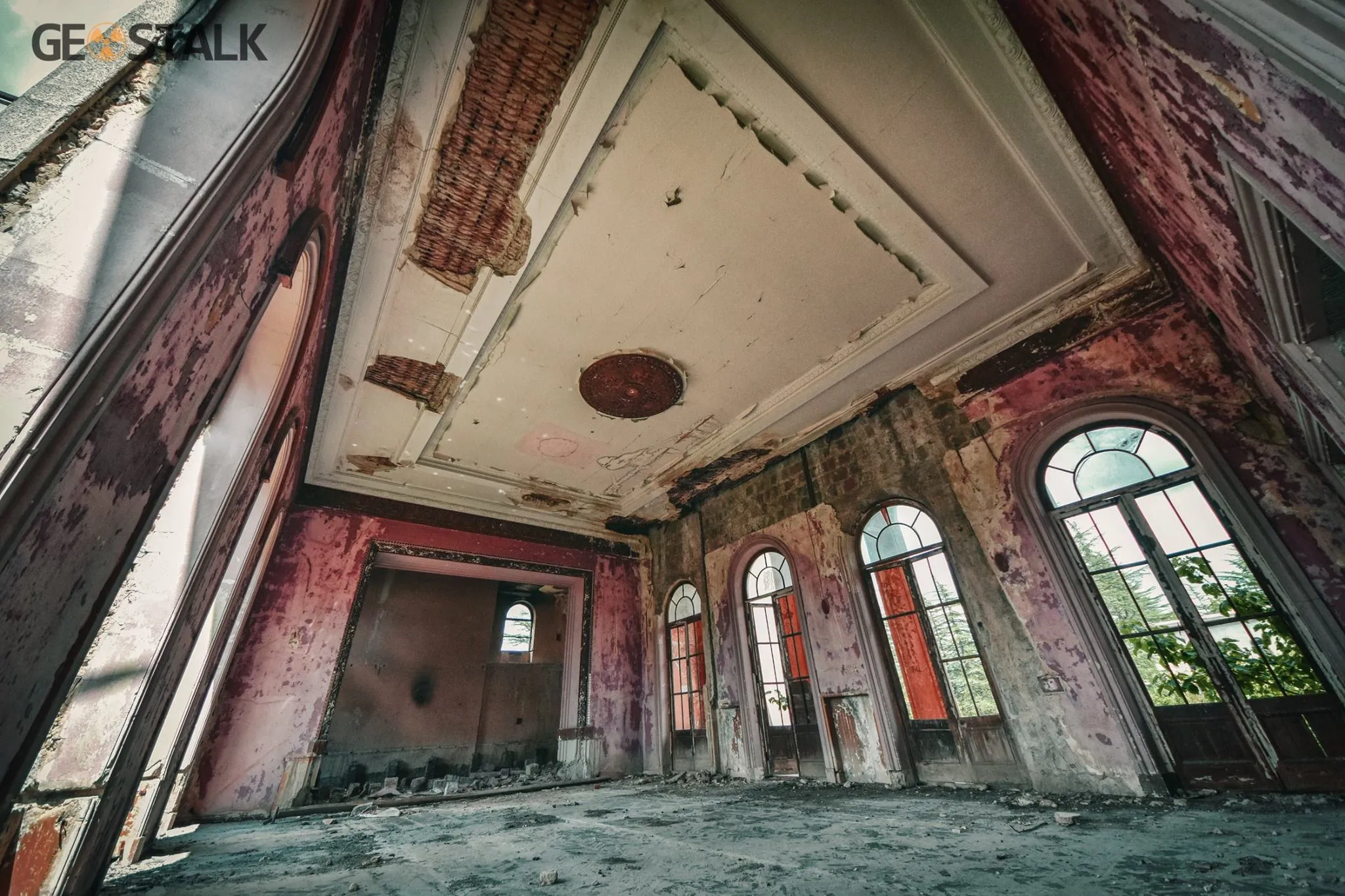
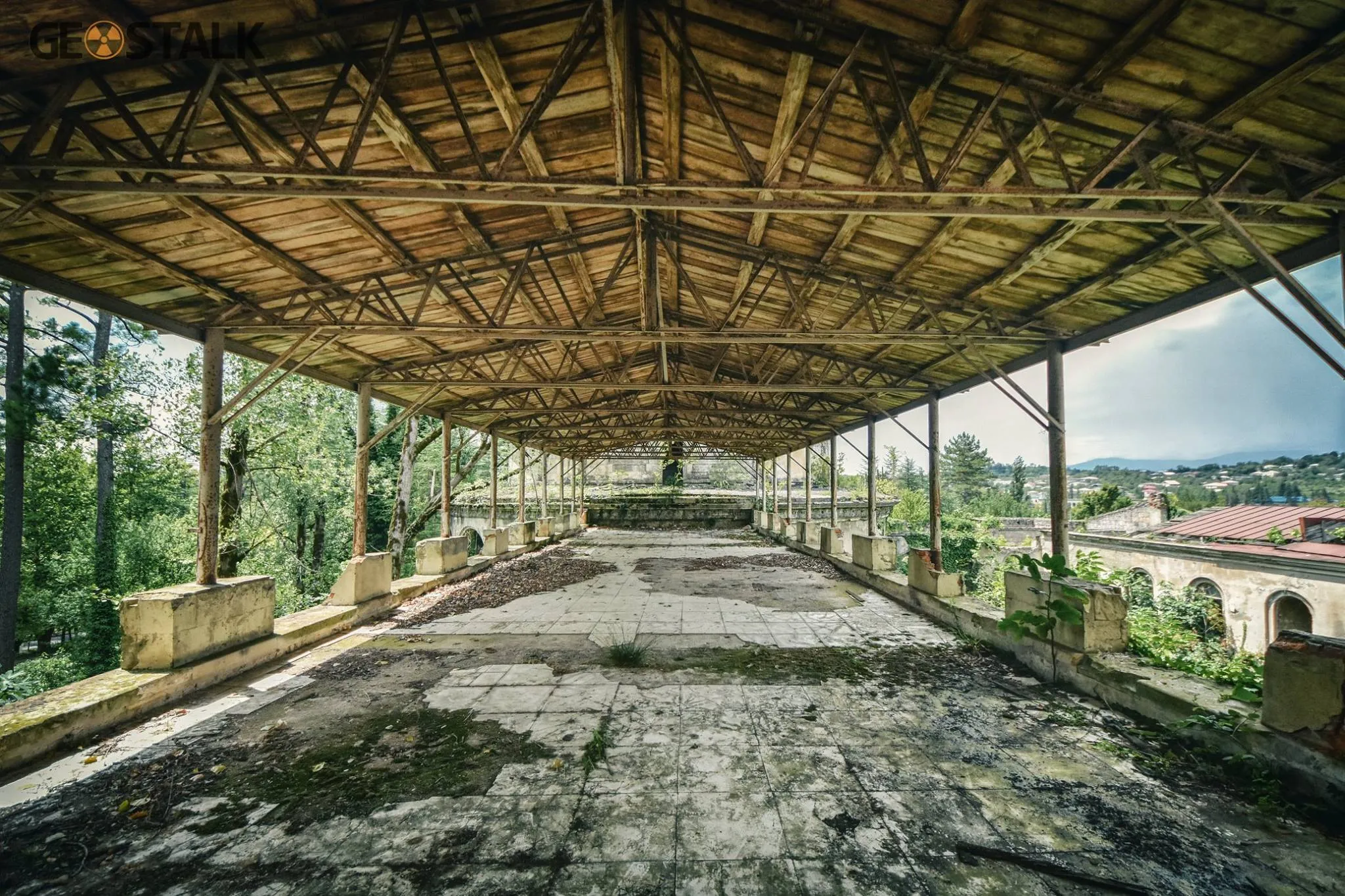
The complex is divided into two main buildings. The first block was built between 1950 and 1961, rising three floors and accommodating around 305 guests. It specialized in treating nervous system disorders. Rooms did not have private bathrooms, and a 20-day stay cost 140 rubles. The sanatorium was considered high-class, featuring quality materials, ornate staircases, and decorated ceilings. The architects were L. Janelidze and V. Meskhishvili.
The second block dates back to 1925, also three storeys, designed for about 90 guests. During World War II it operated as Hospital No. 40-78. After the war it was transferred to the trade unions. A major renovation followed in 1955, giving the building a white-stone exterior and a richly designed interior. In 1956 it was renamed Rioni by the Ministry of Health, then returned to the trade unions in 1960 and merged with the Imereti complex. The dining hall and club were added at the same time.
Today, the buildings are home to families displaced from Abkhazia. More photos here


Sanatorium Metallurgist
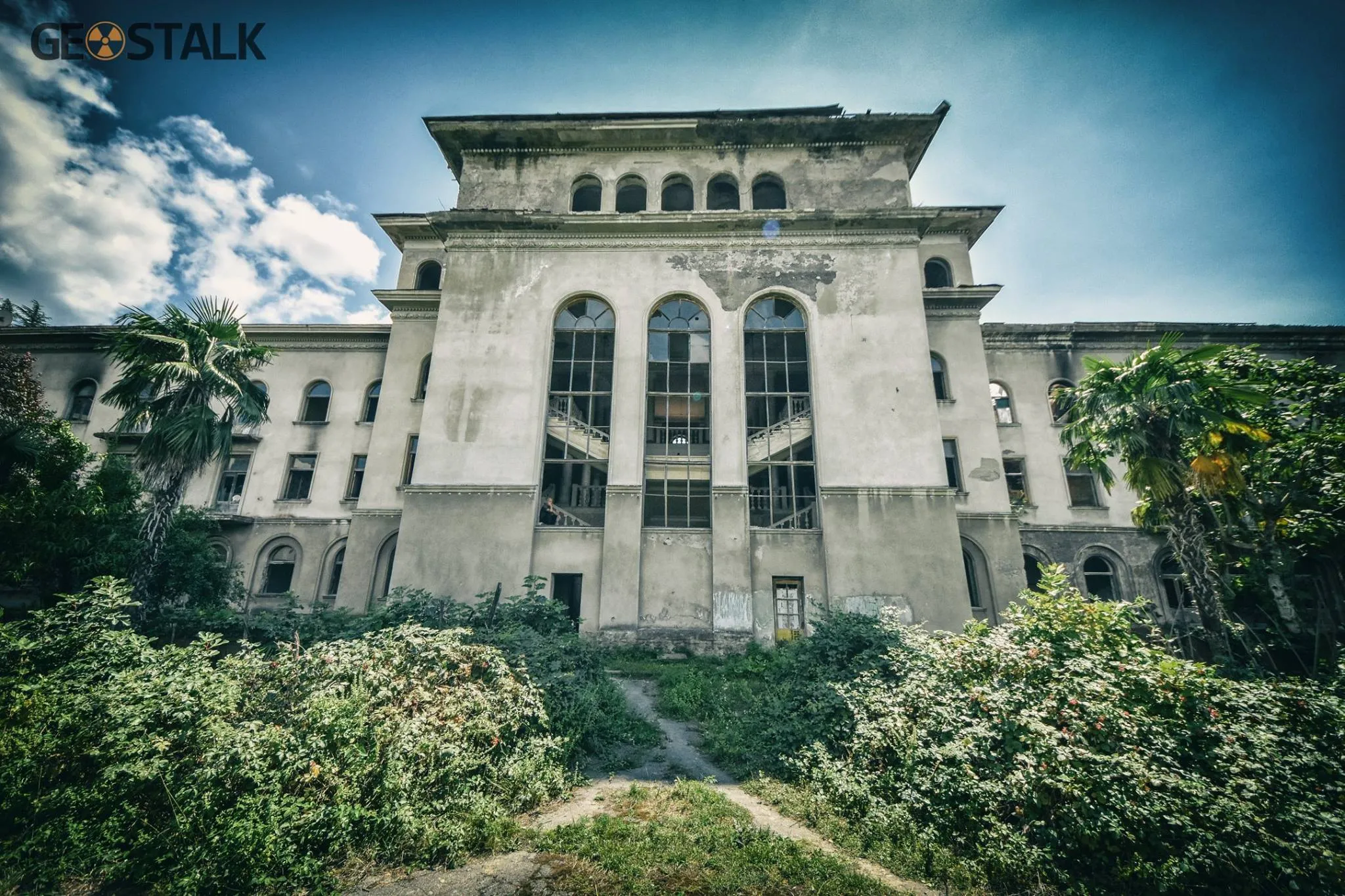
Construction began in 1950 and was completed on May 12, 1957. The architects were V.A. Kendi and N.S. Solovia. The four-storey building is decorated with Georgian motifs carved from white stone. Inside, the foyer still impresses with its large chandelier and marble columns. Built for the Ministry of Black Metallurgy, the layout includes blocks with single and double rooms. A 20-day stay cost 140 rubles.
Currently, the sanatorium is inhabited by IDPs from Abkhazia. More photos here
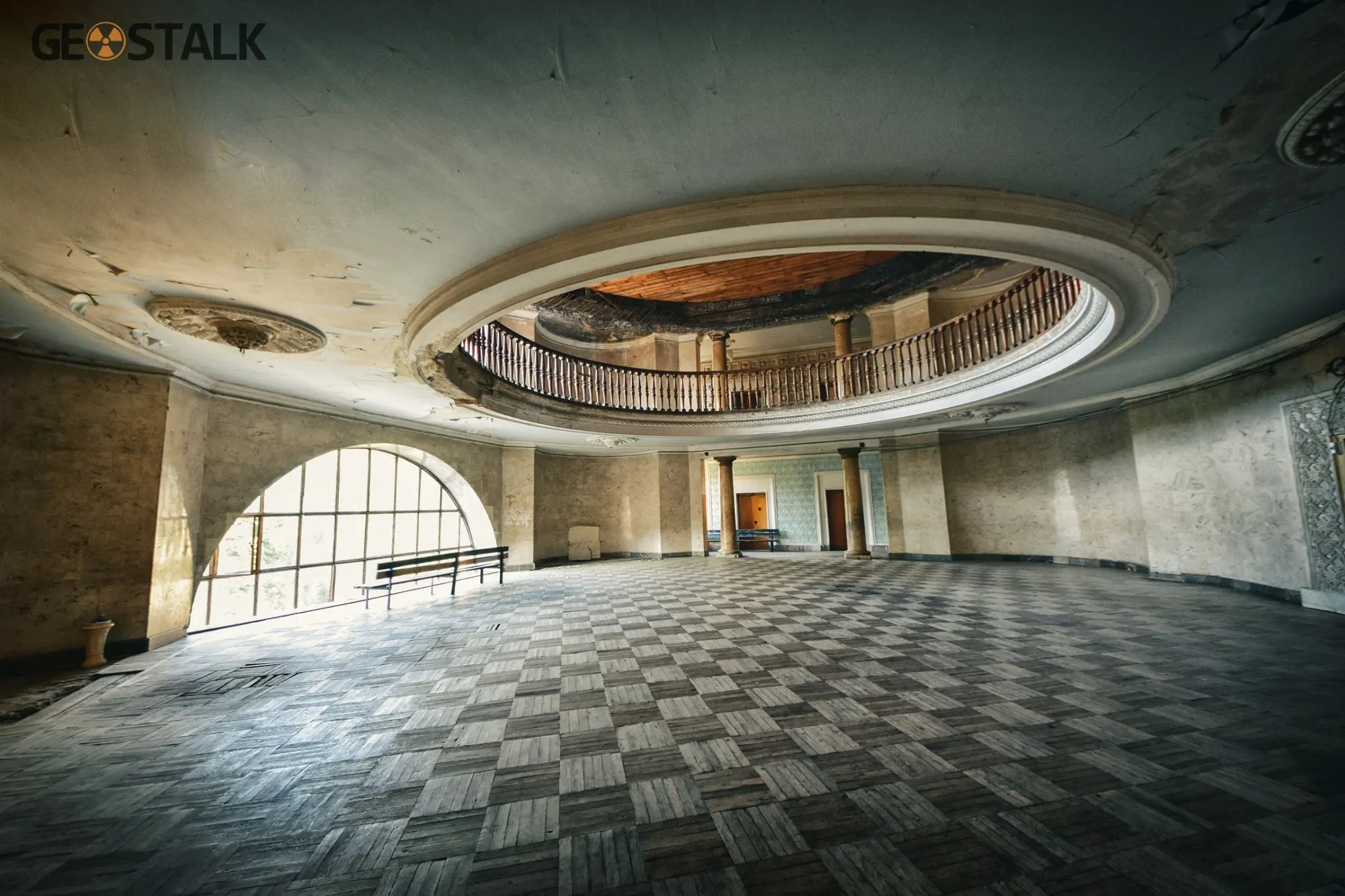
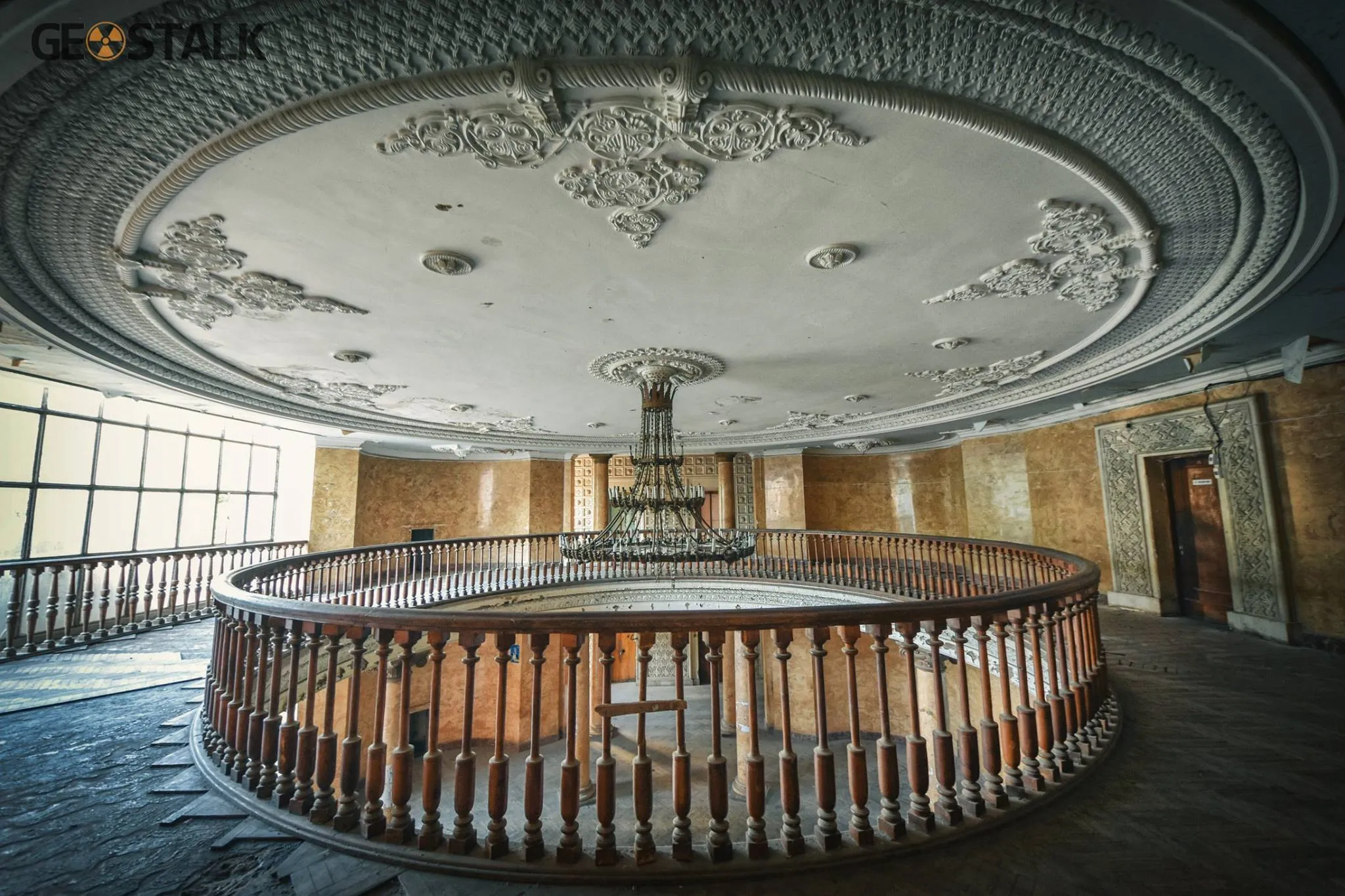

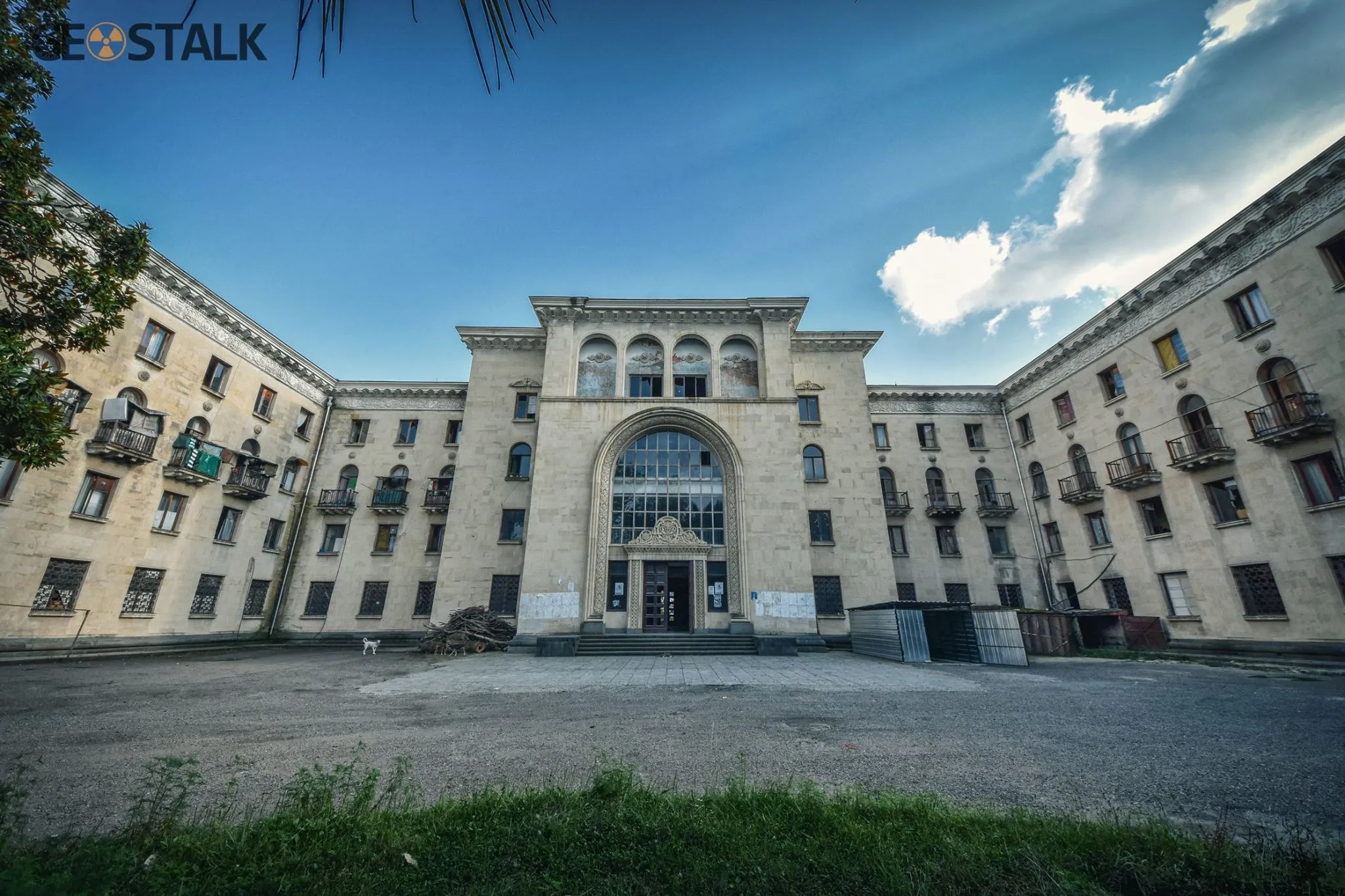
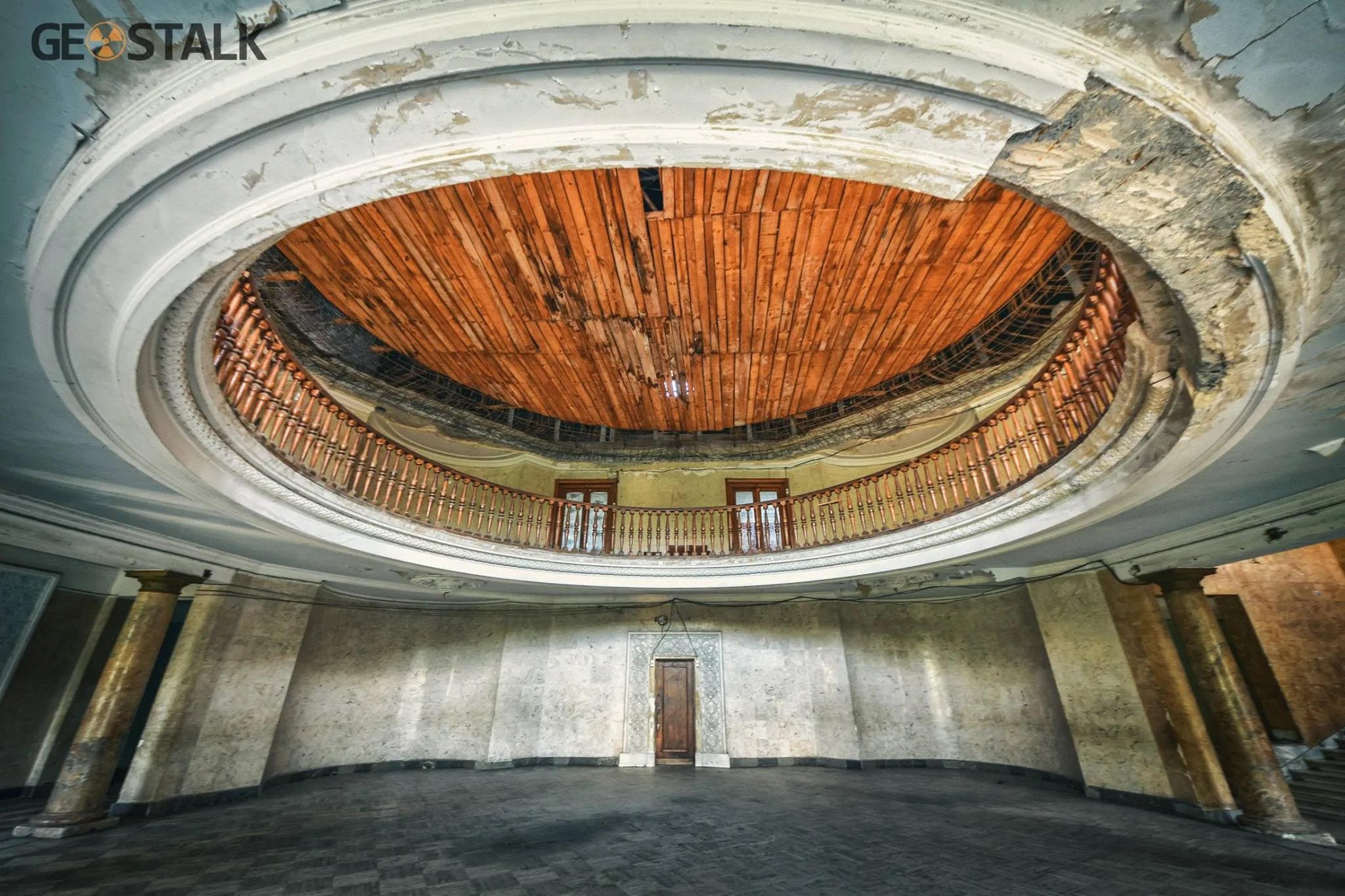
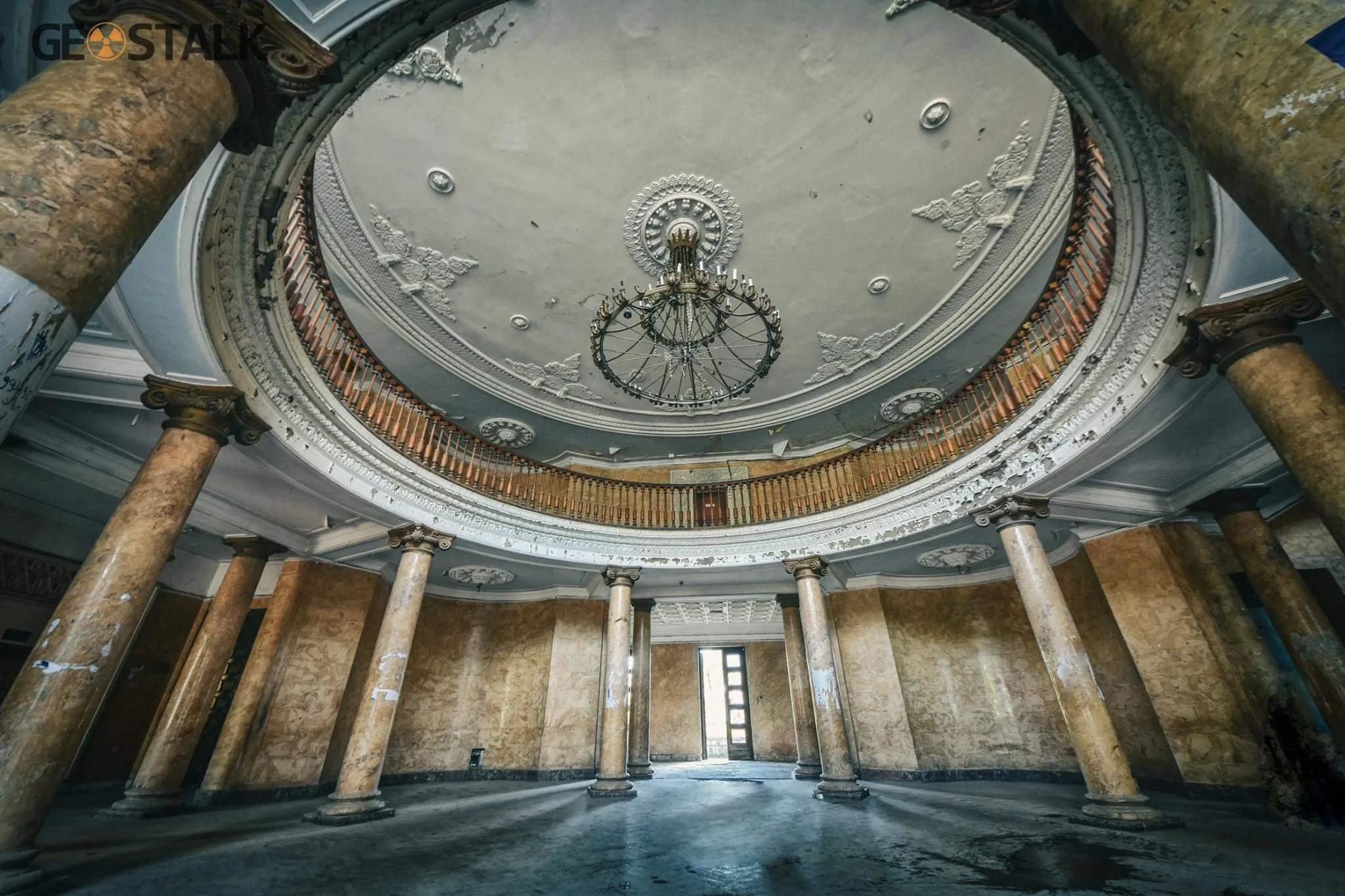
Sanatorium Iveria
Opened in 1962, the project originally started in 1952 under the USSR Ministry of Electropower. In 1956, the Ministry of Labour, Health and Social Affairs of Georgia took over, and the construction was eventually completed by the National Resort Ministry. Iveria was later merged with another sanatorium called Miner. It briefly gained independence in May 1967, then was reabsorbed into Miner again. The architect behind the project was M.M. Buzogli. More photos here
View on map

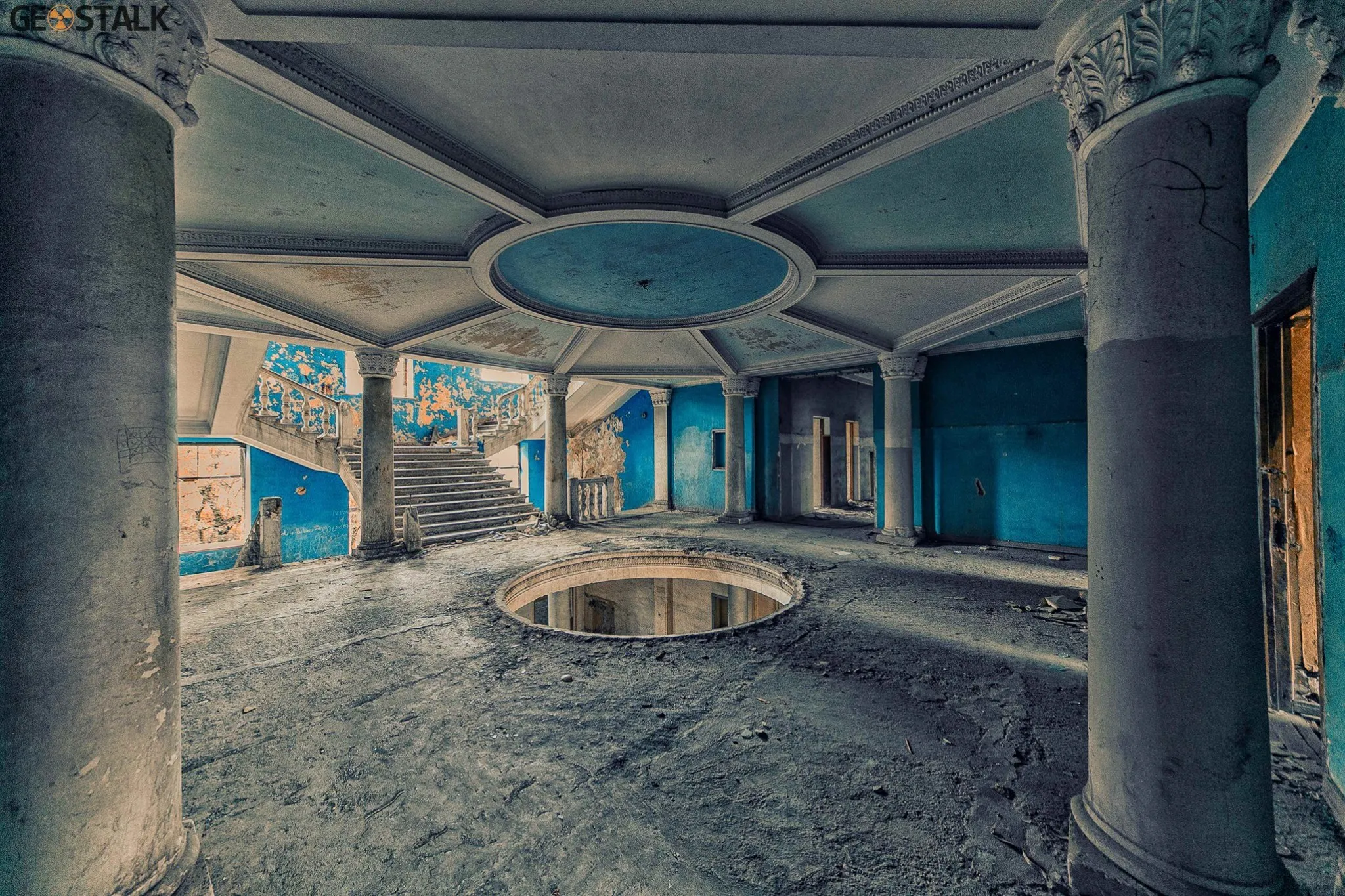
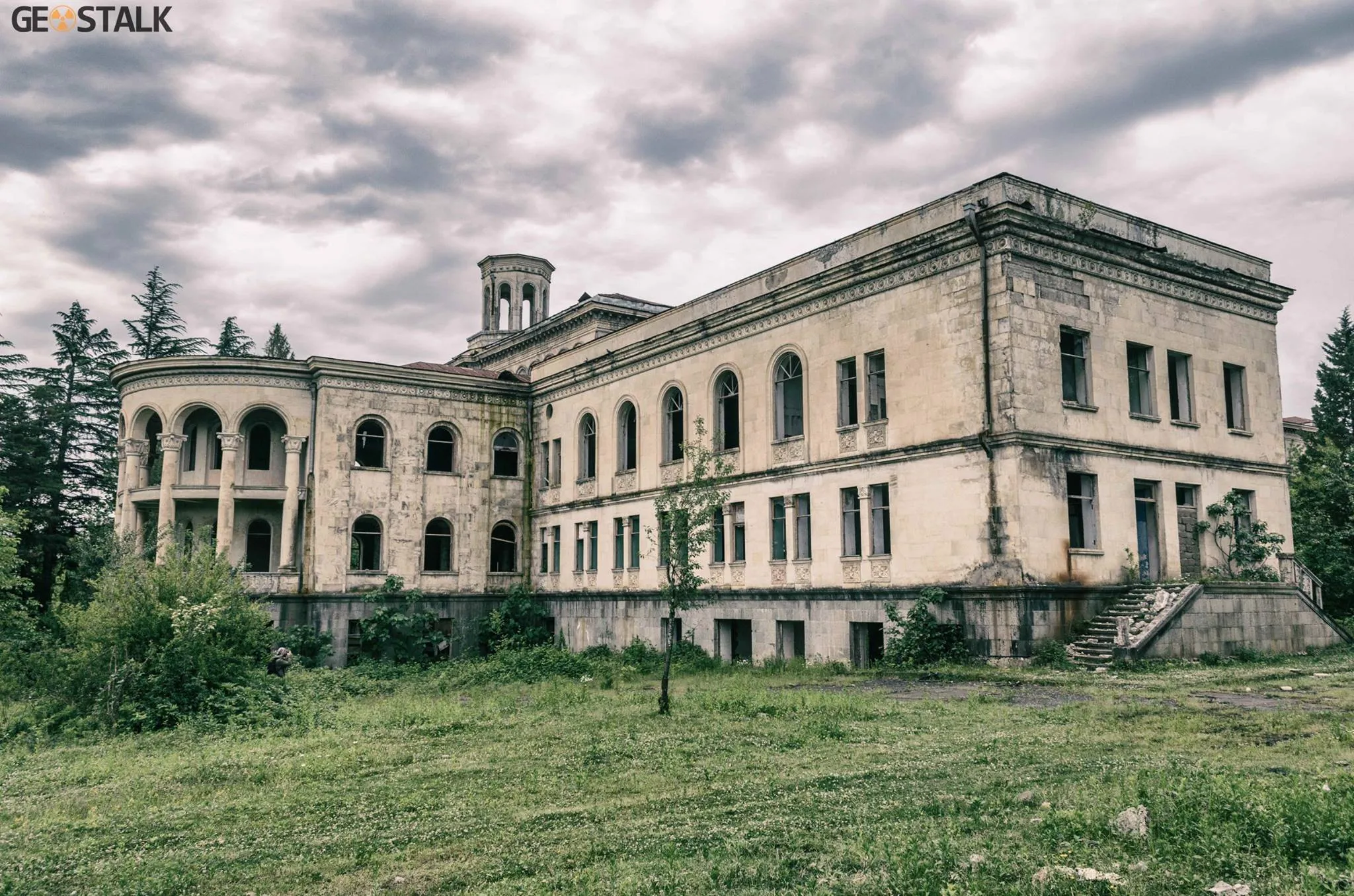
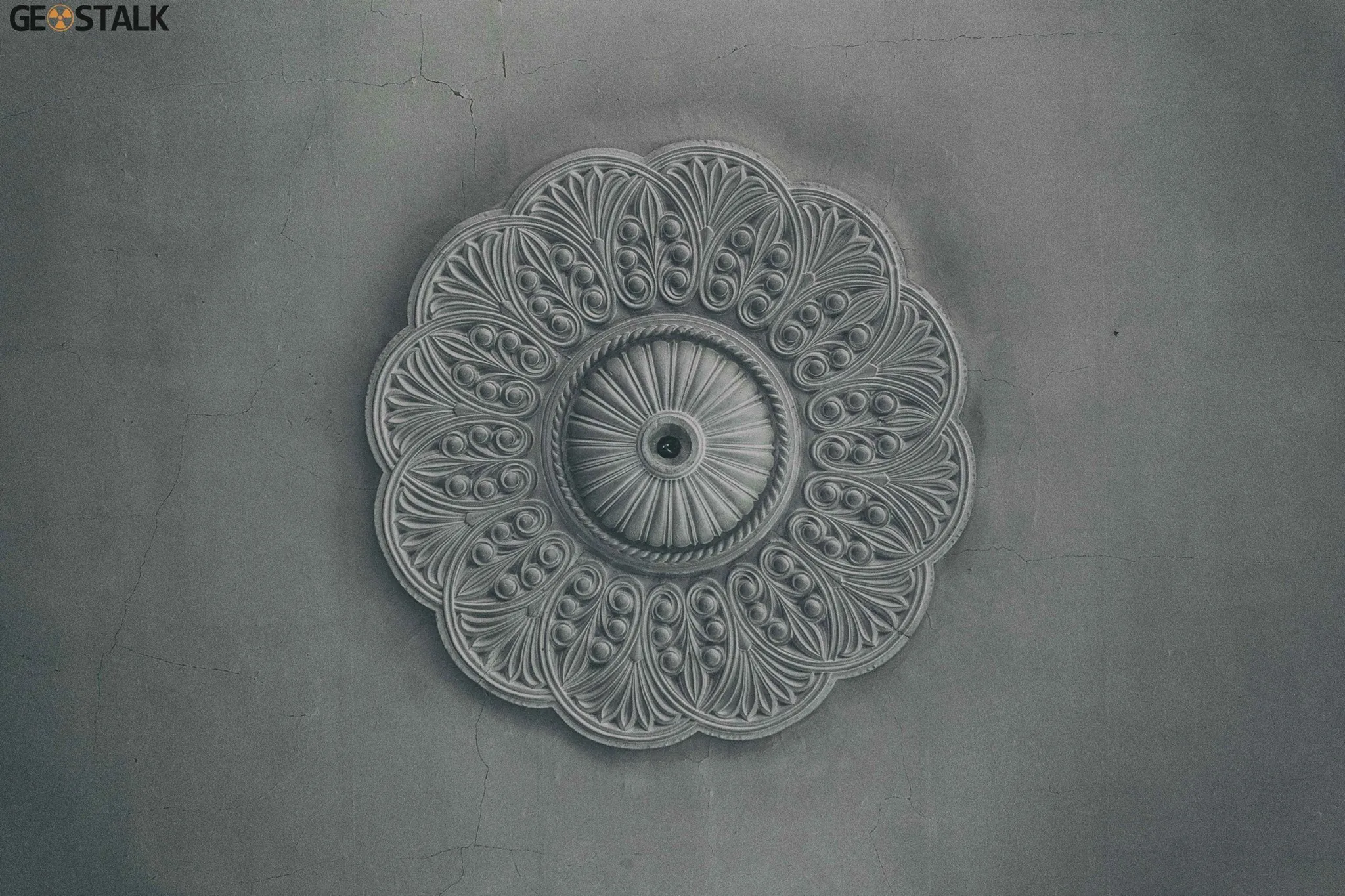


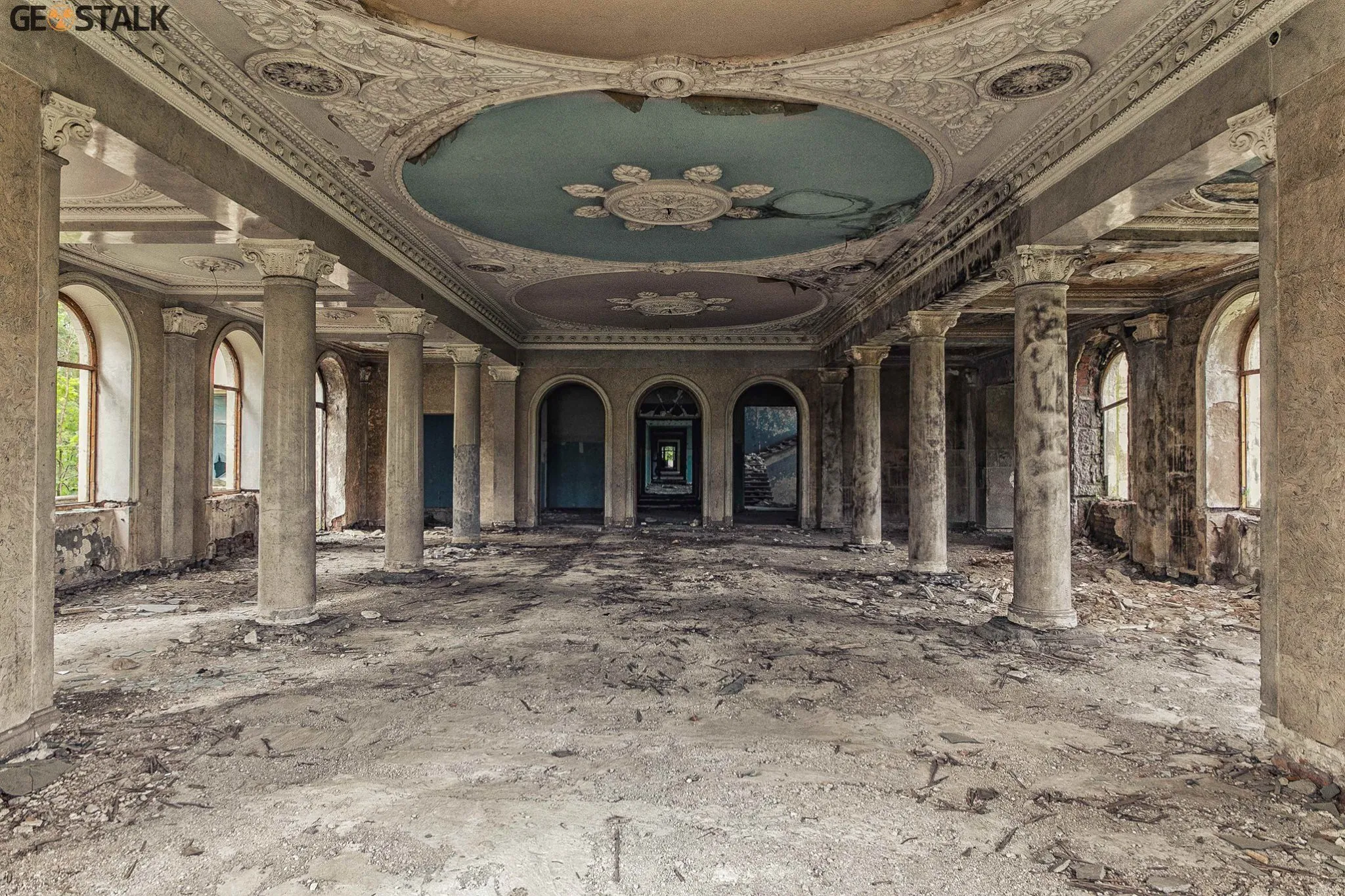


Sanatorium Meshakhte (Miner)
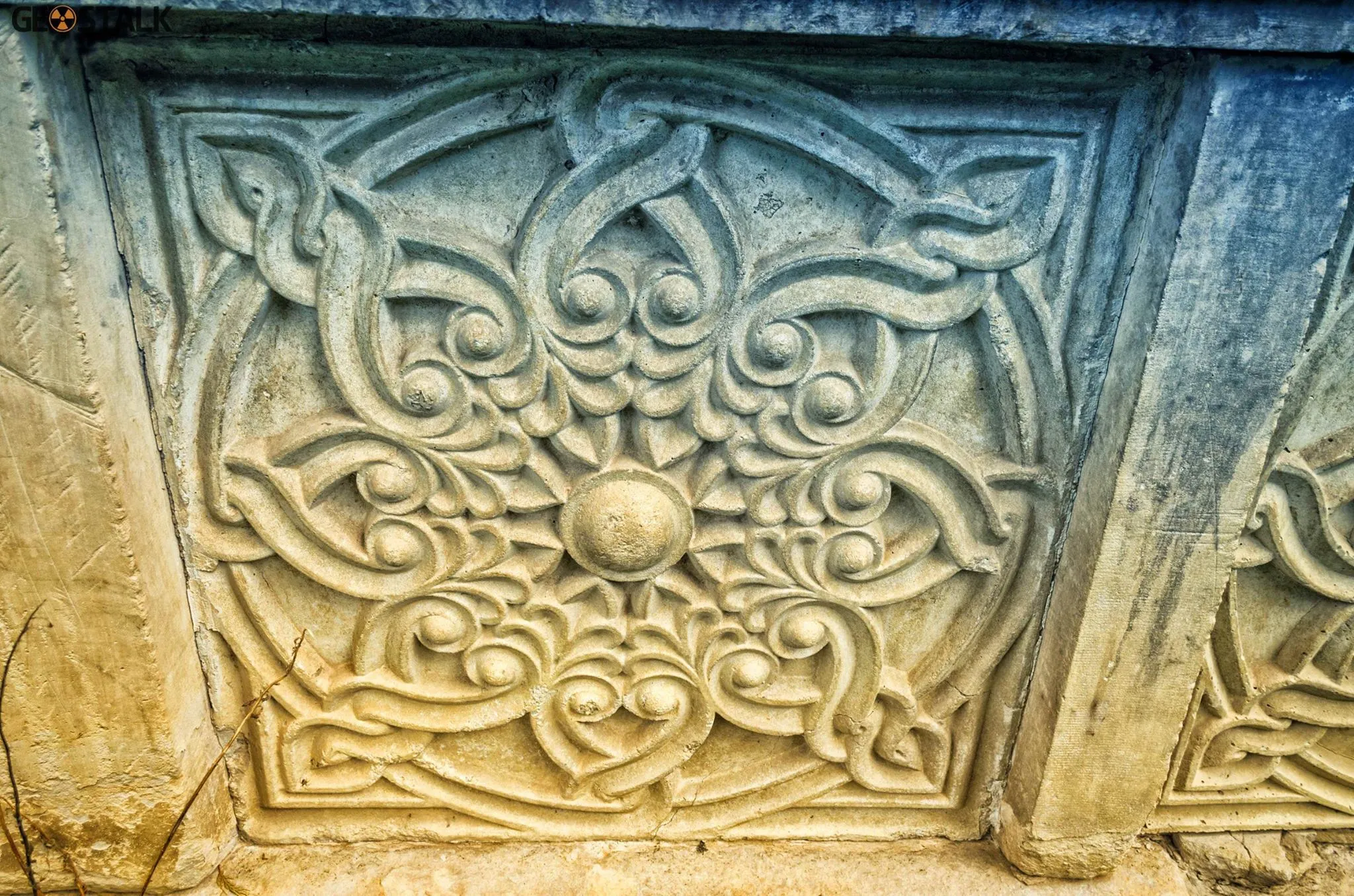
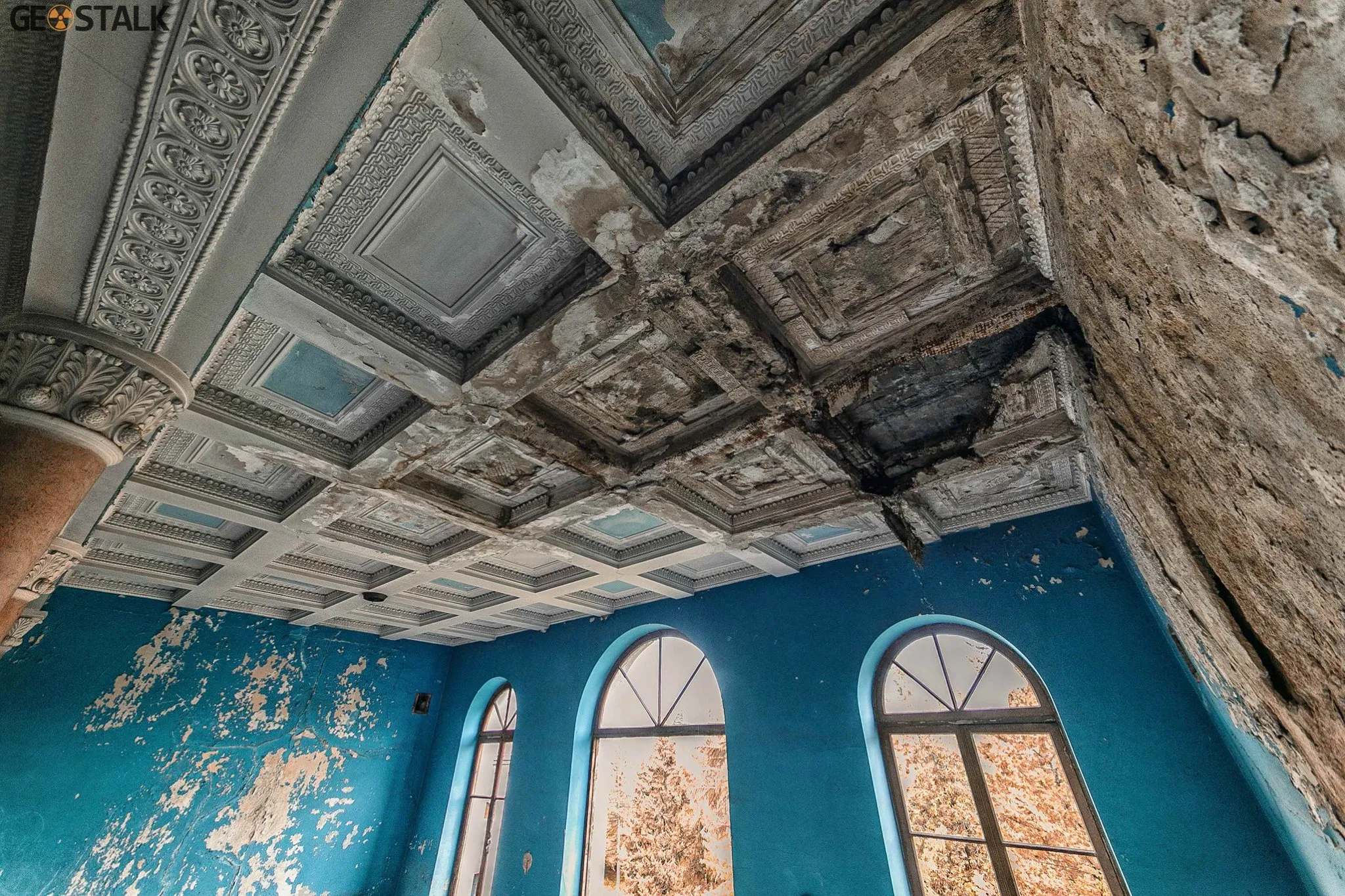
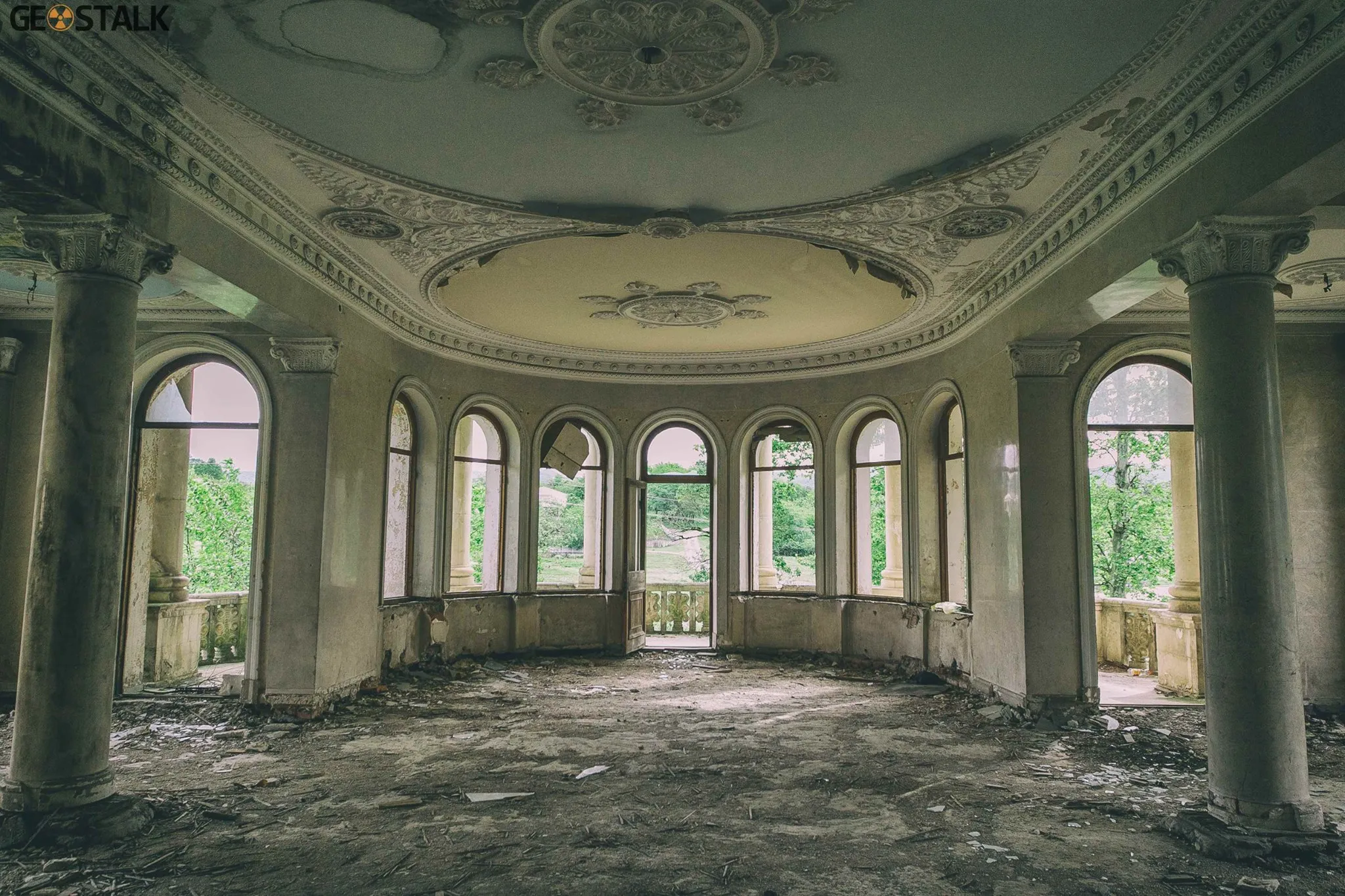
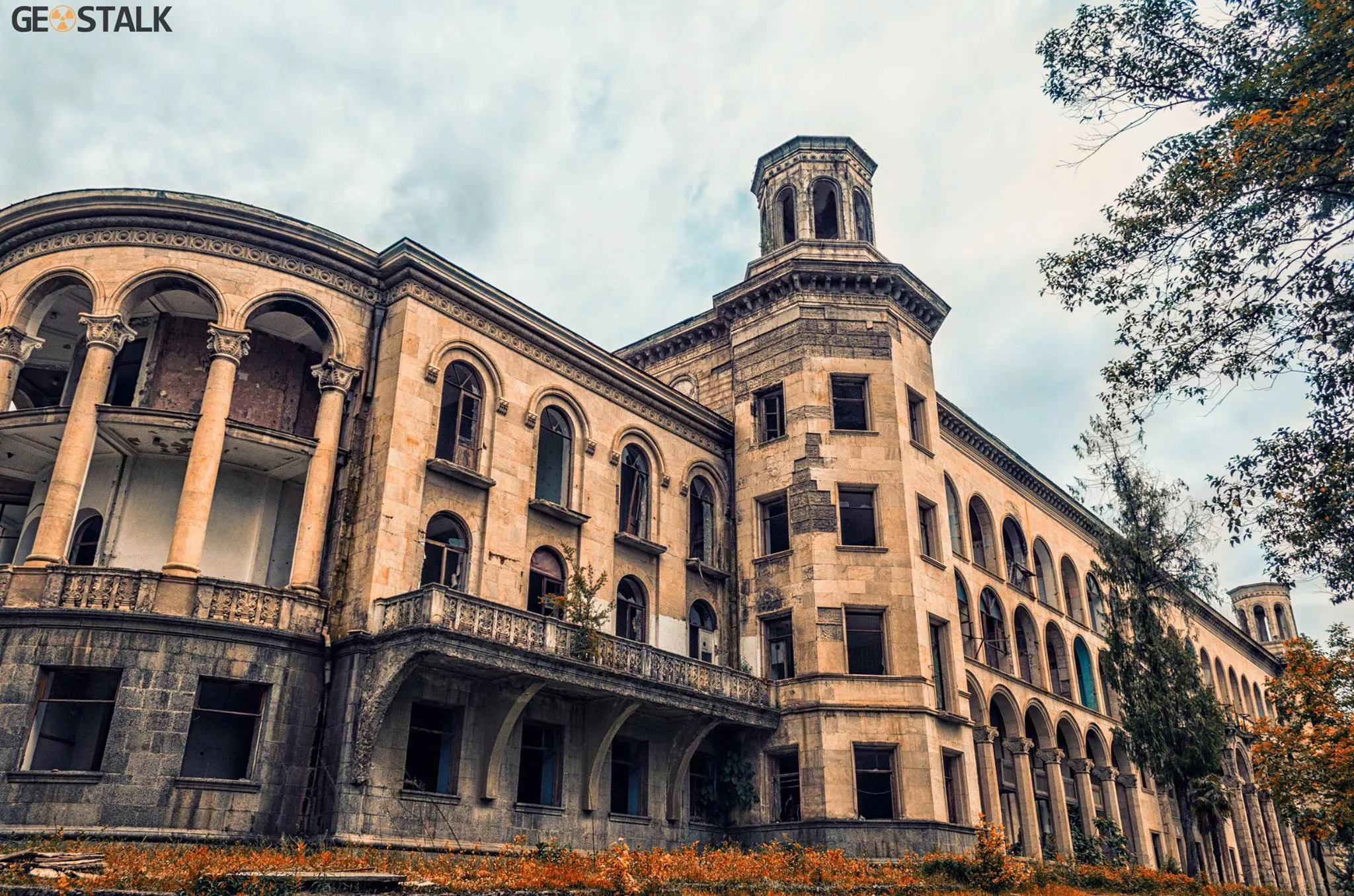
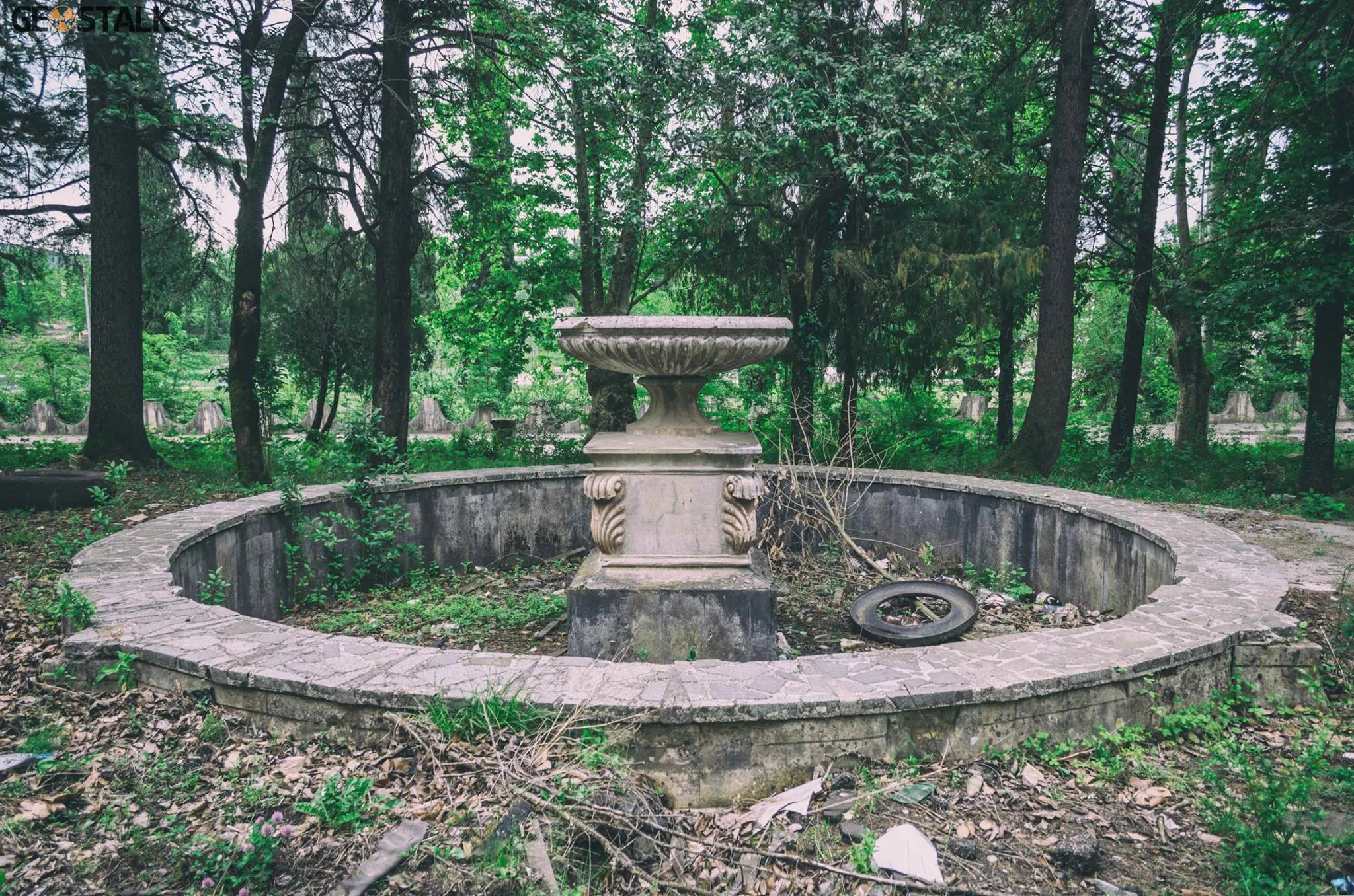
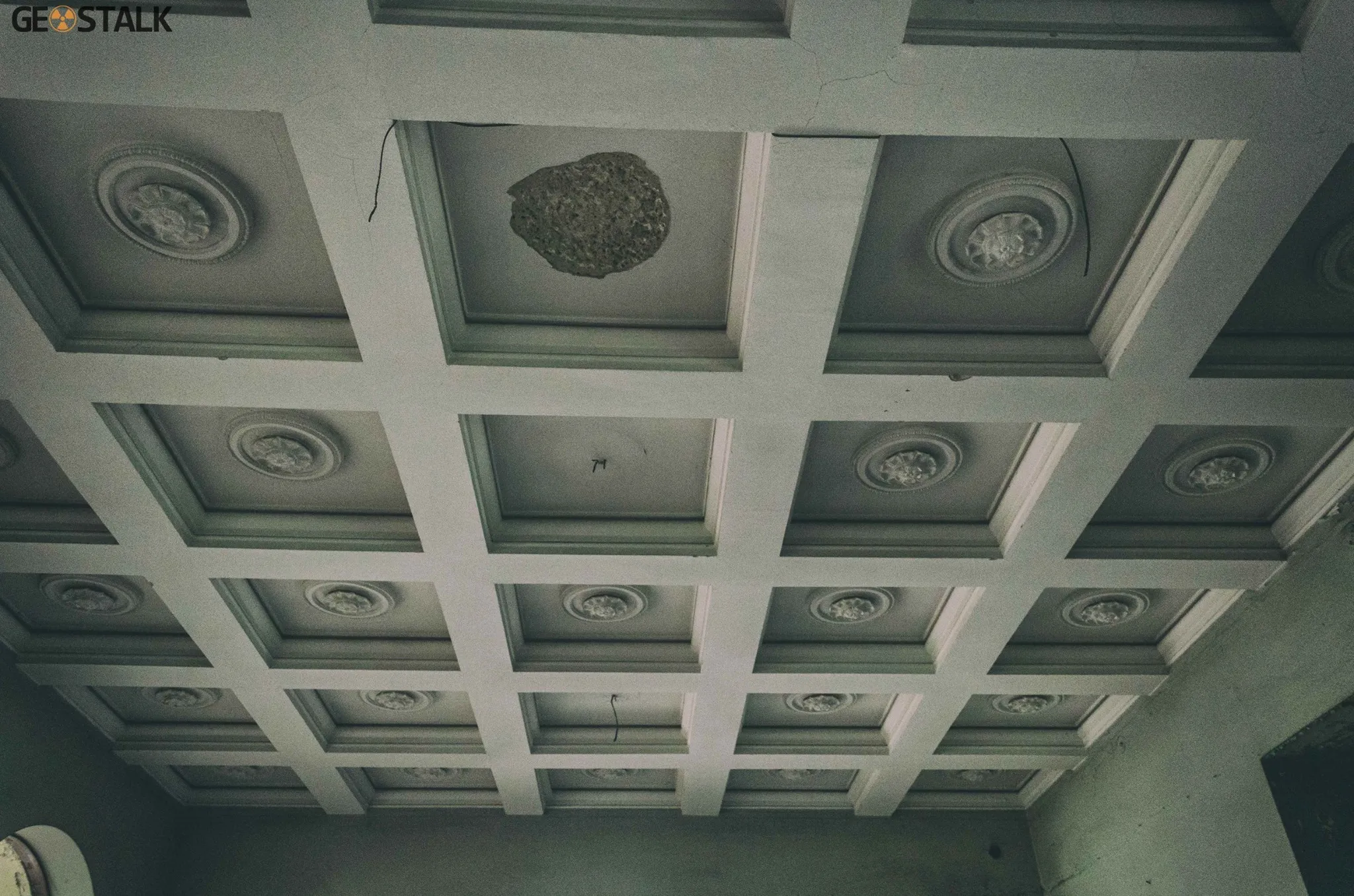
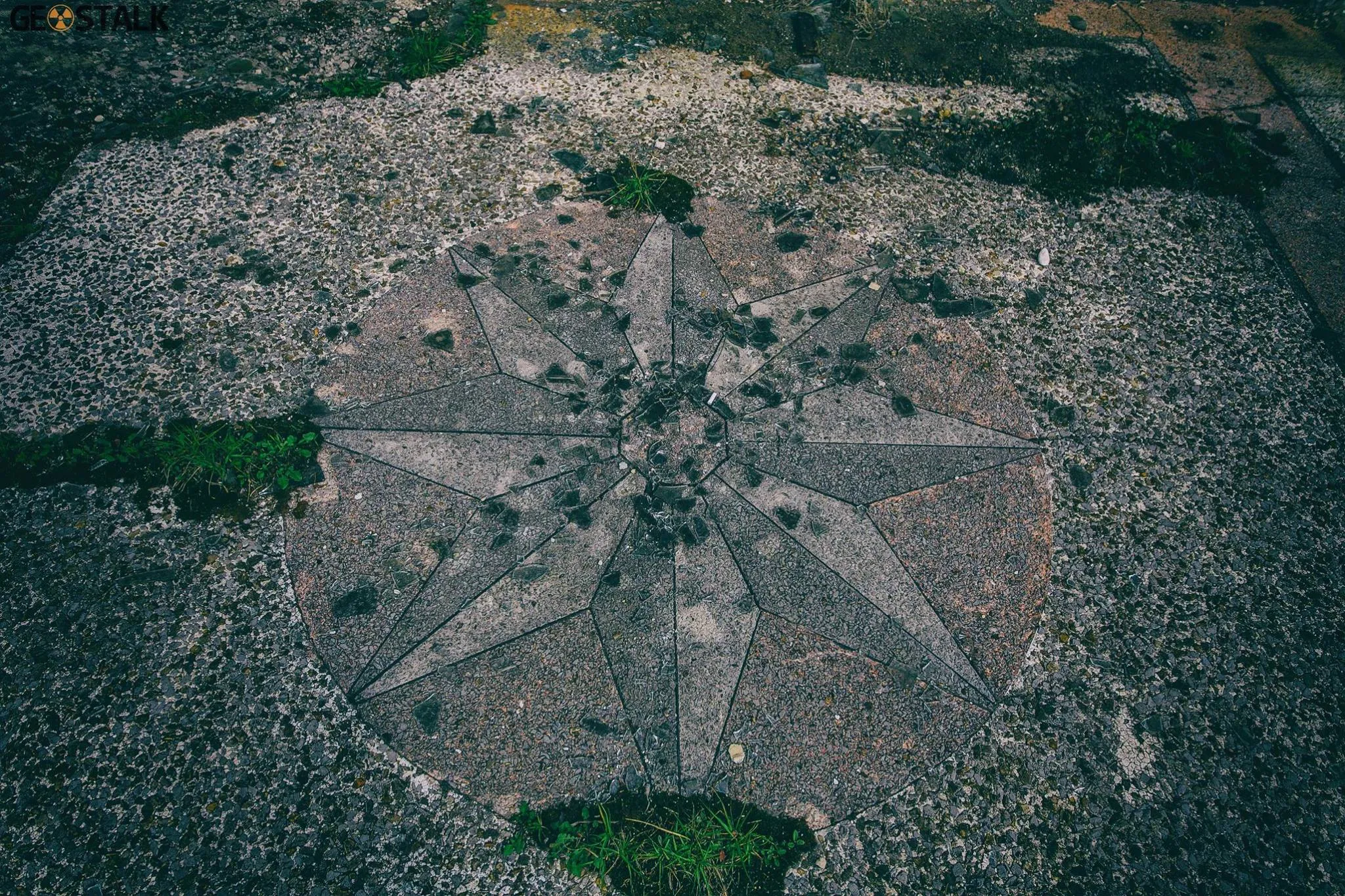
This high-class sanatorium opened on November 11, 1952, originally serving employees of the Ministry of Coal Industry. Designed by G. Khimshiashvili and G. Melegi, it represents the grand Stalinist Empire style and is still considered one of Tskaltubo’s most impressive spa buildings. The grounds once featured a large courtyard, fountain, and spacious resting areas. The façade was meant to be clad in white stone, but the construction lead, Carlo Moretti, developed a special tile that replicated the same look at a lower cost without compromising visual quality.
The four-storey building was first planned for 250 guests, later expanded to 325 in 1954 and to 350 in 1957. In 1965 it was transferred to the Ministry of Health’s Main Resort Department and renamed Meshakhte. It housed treatment rooms, laboratories, and other medical facilities, and underwent major renovation in 1989. After the fall of the Soviet Union and the arrival of displaced families from Abkhazia, the sanatorium ceased operating. Today the building is privately owned, fenced off, and guarded. More photos here
View on map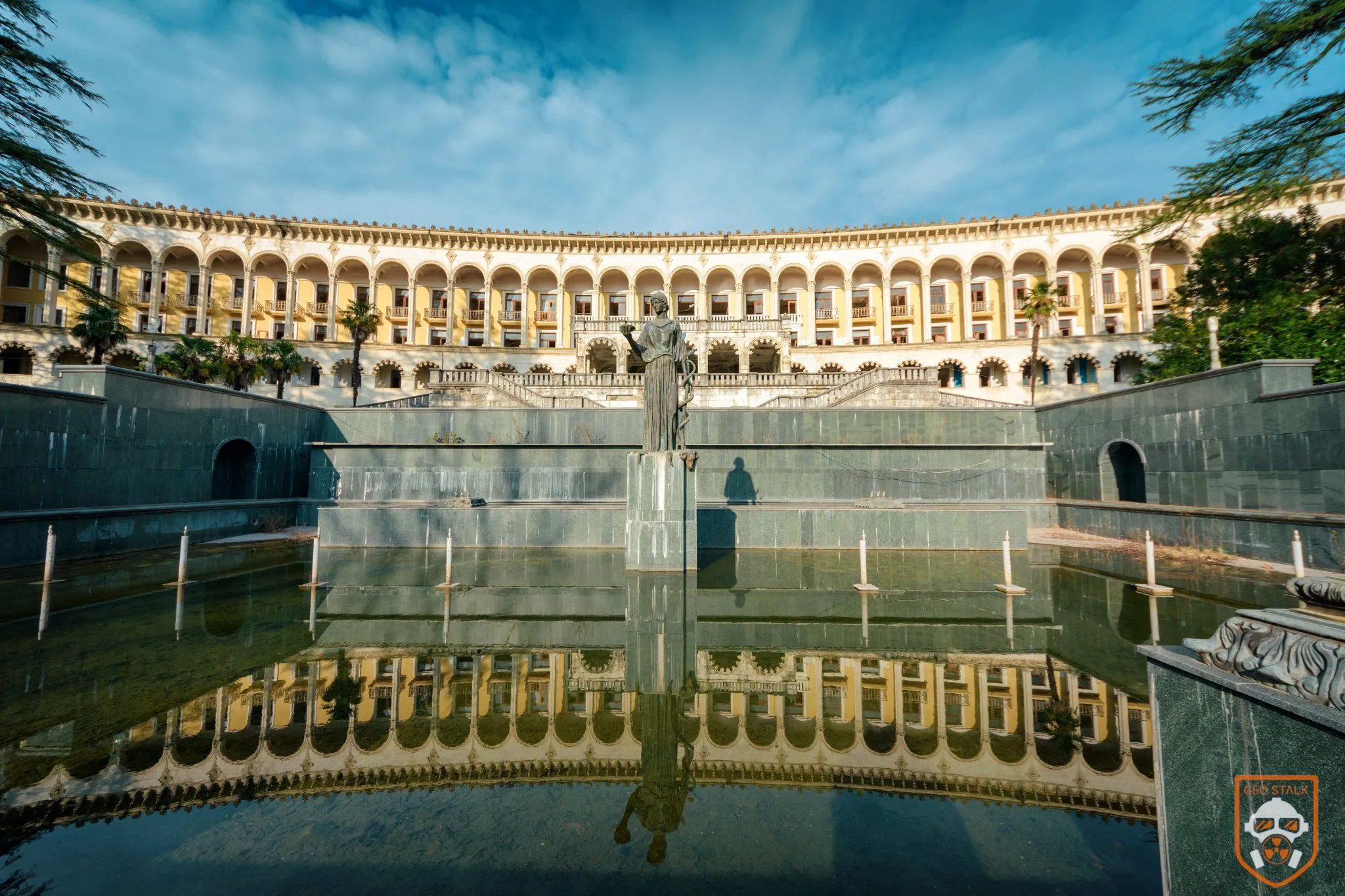





Sanatorium Medea
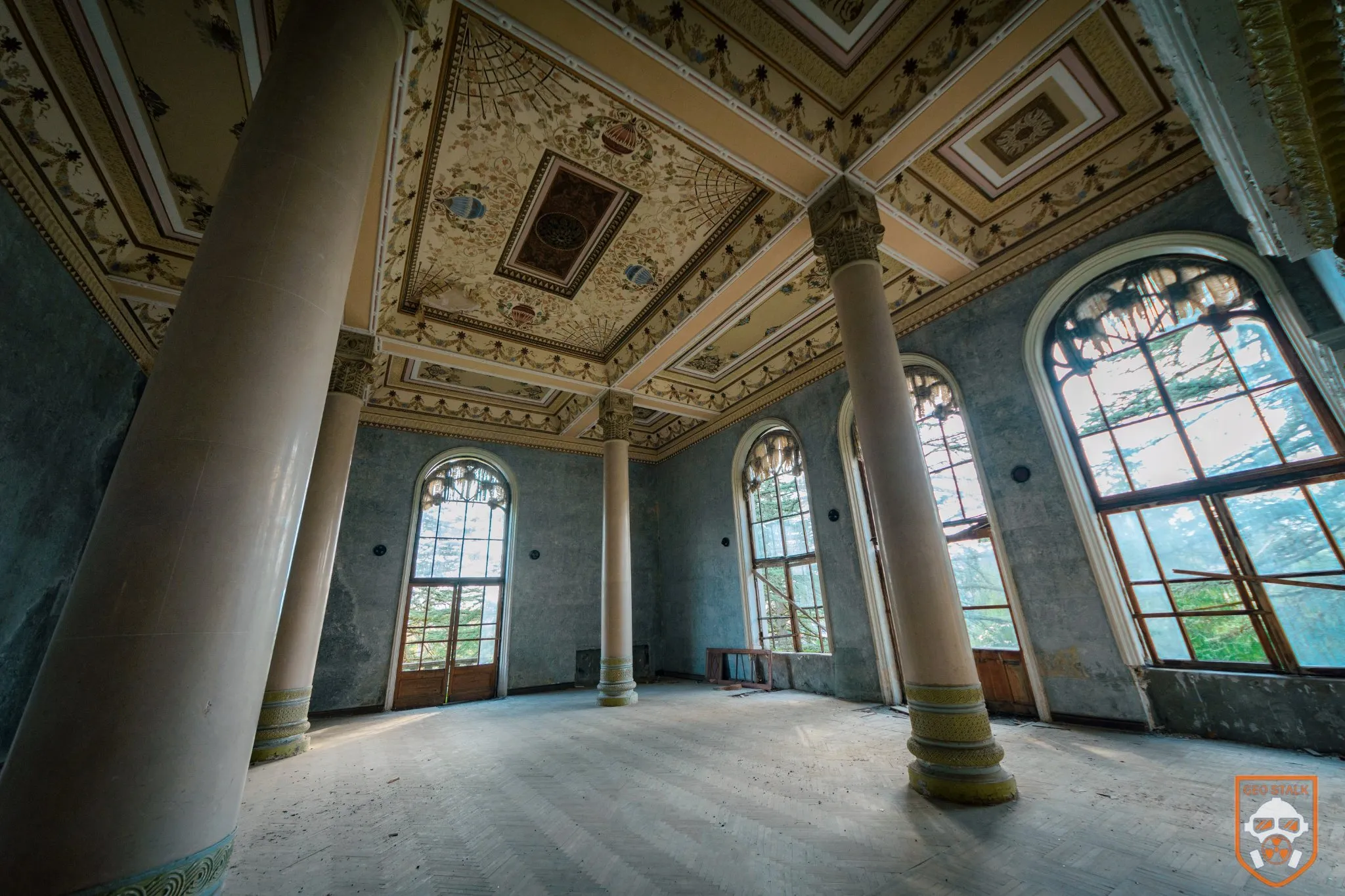
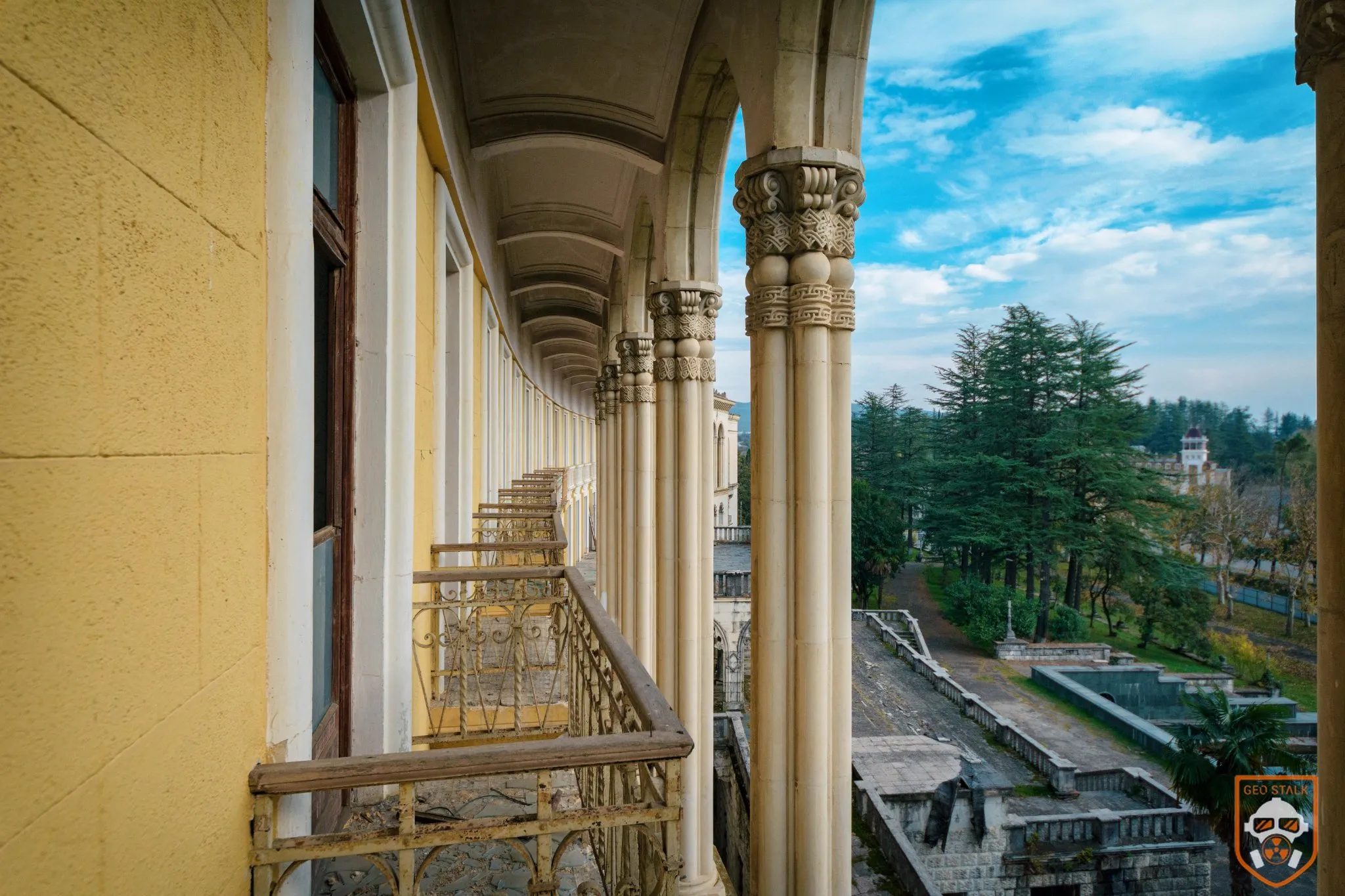
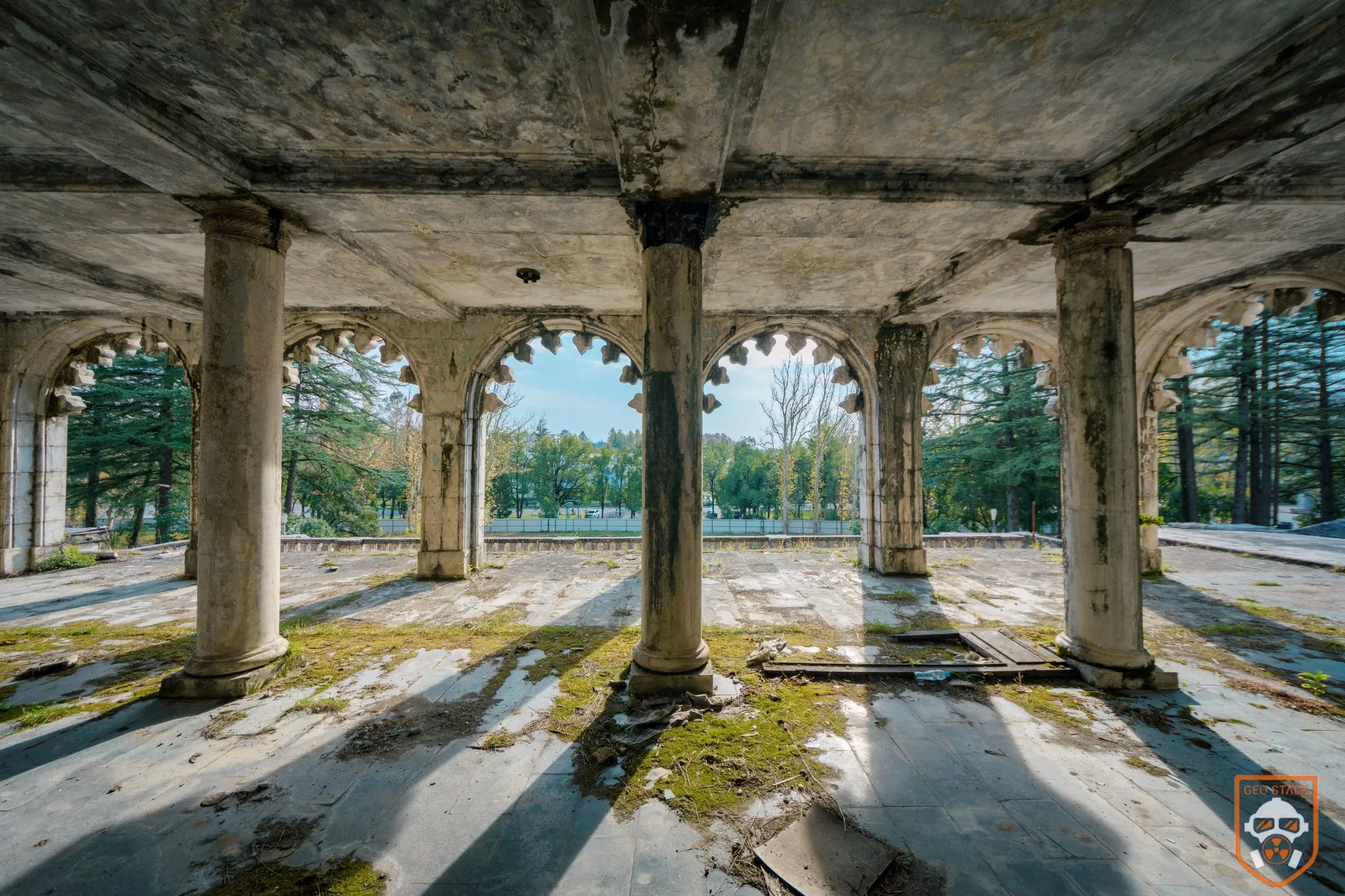
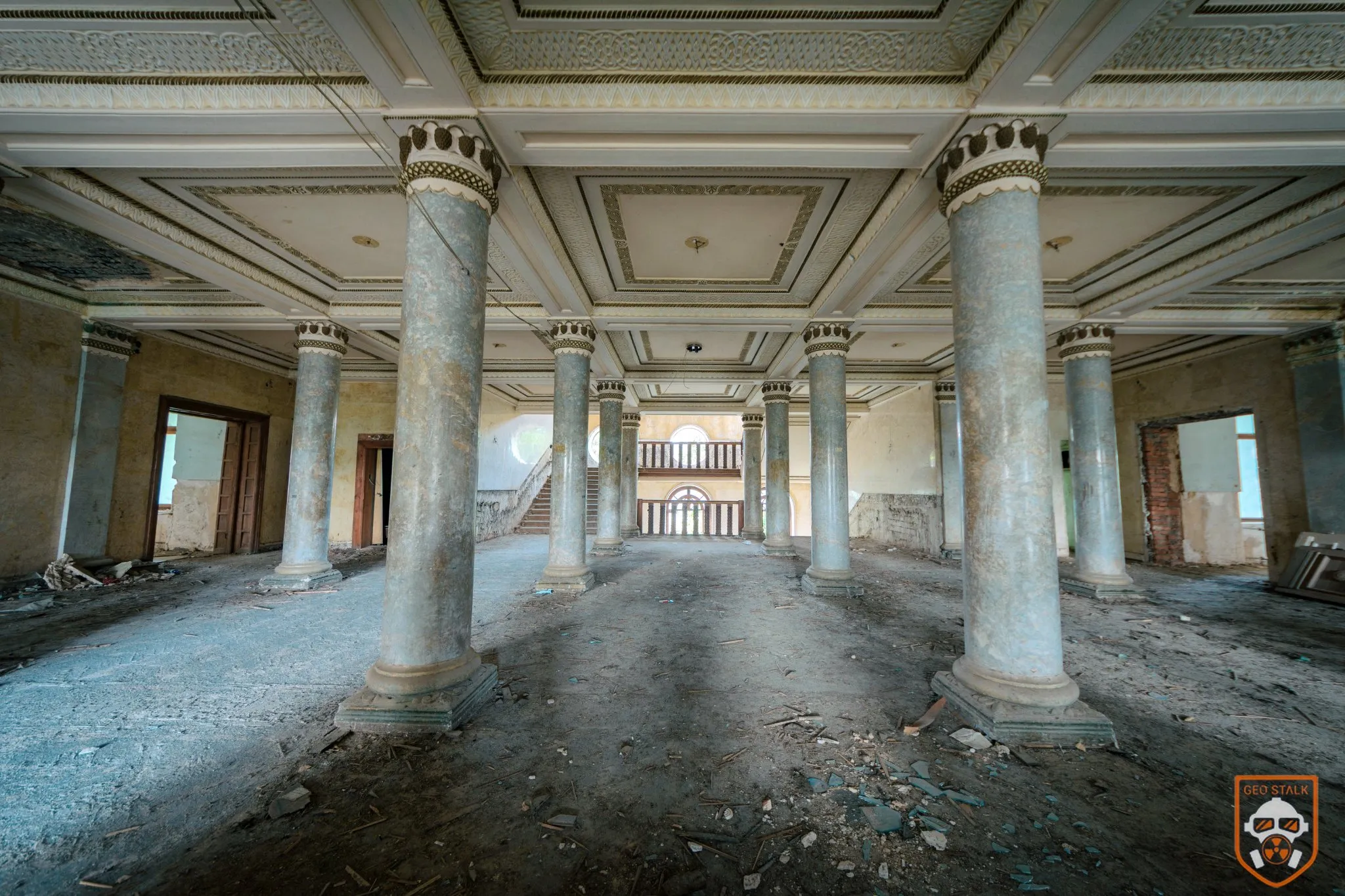
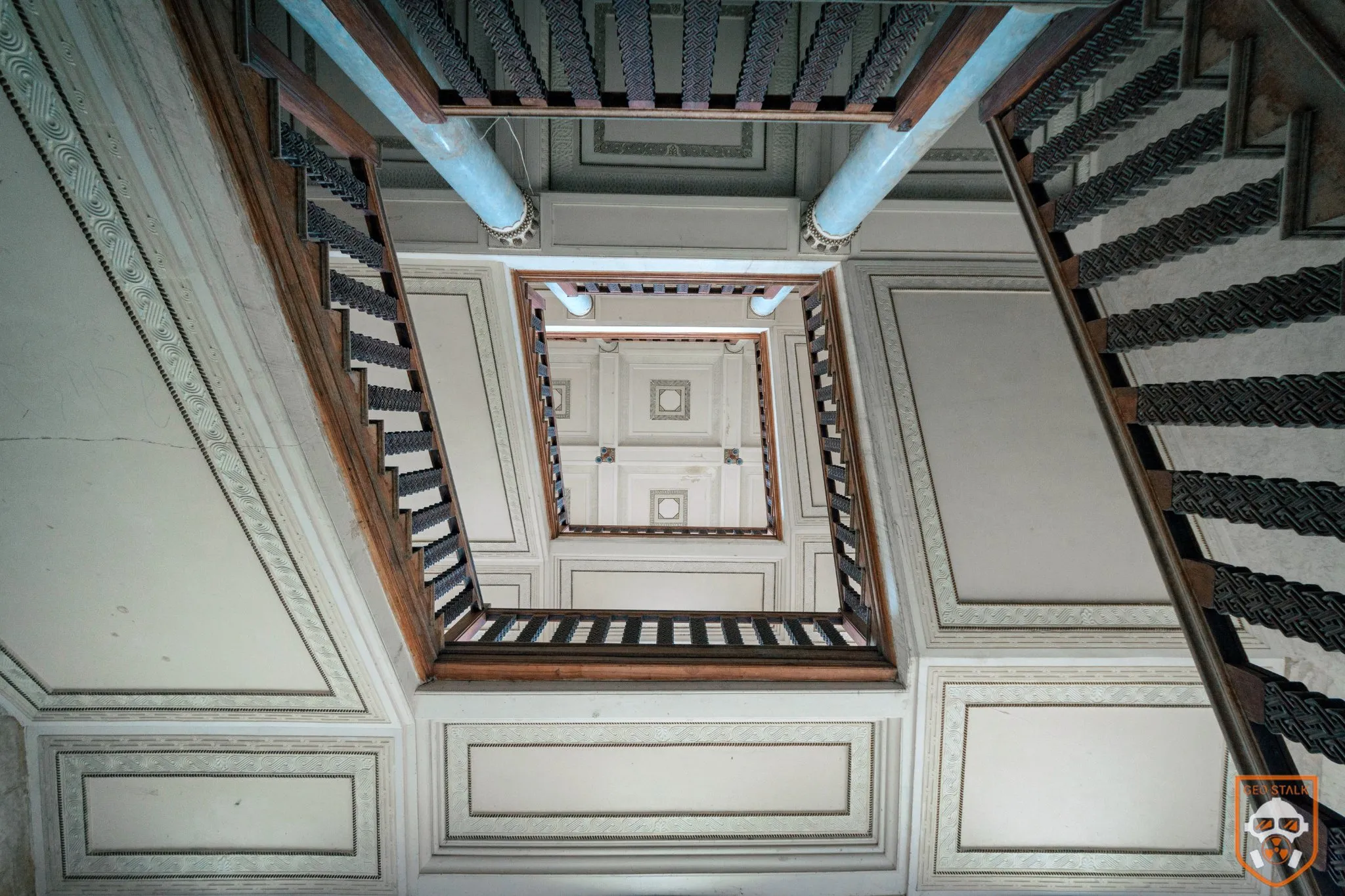
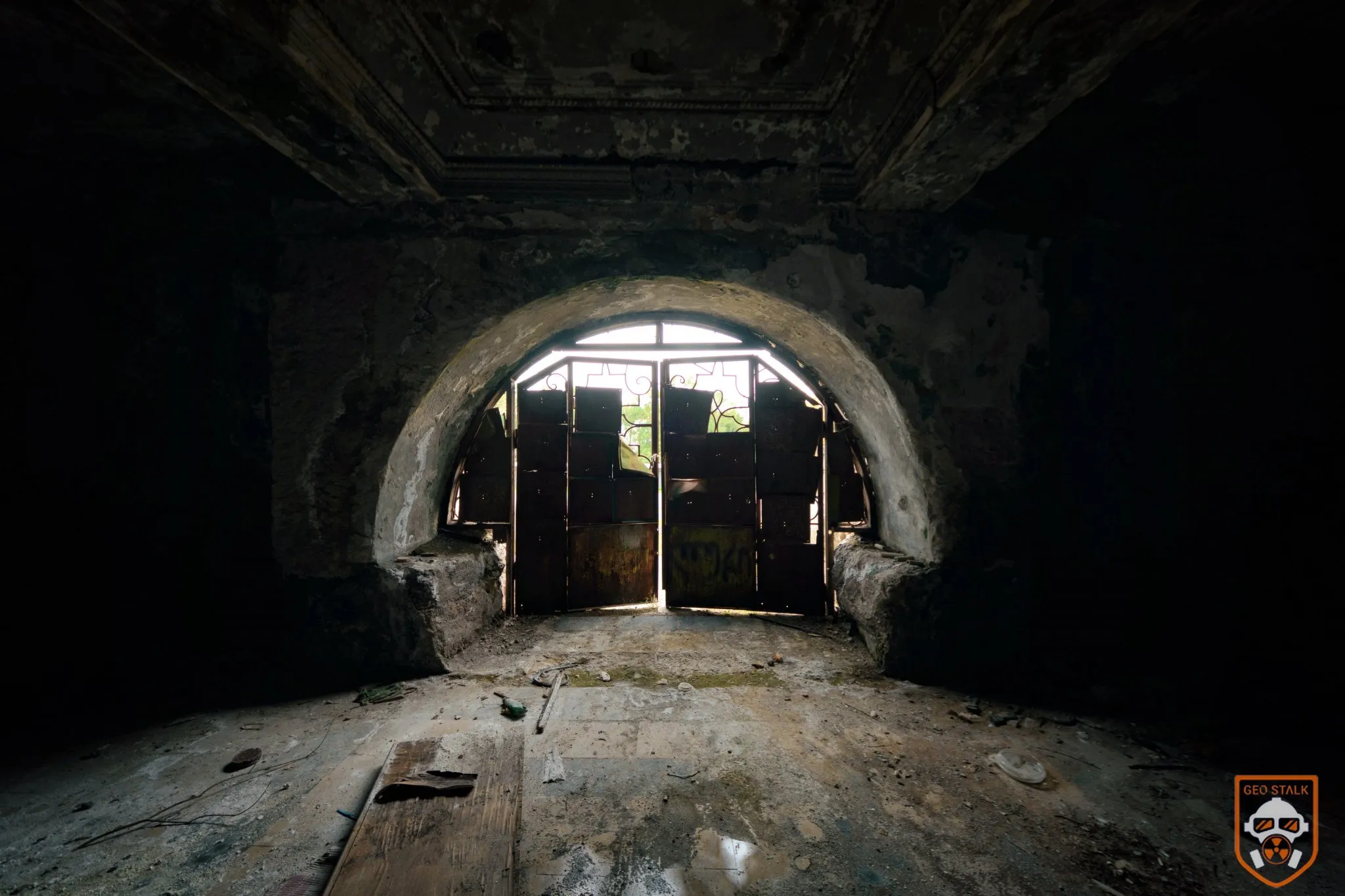
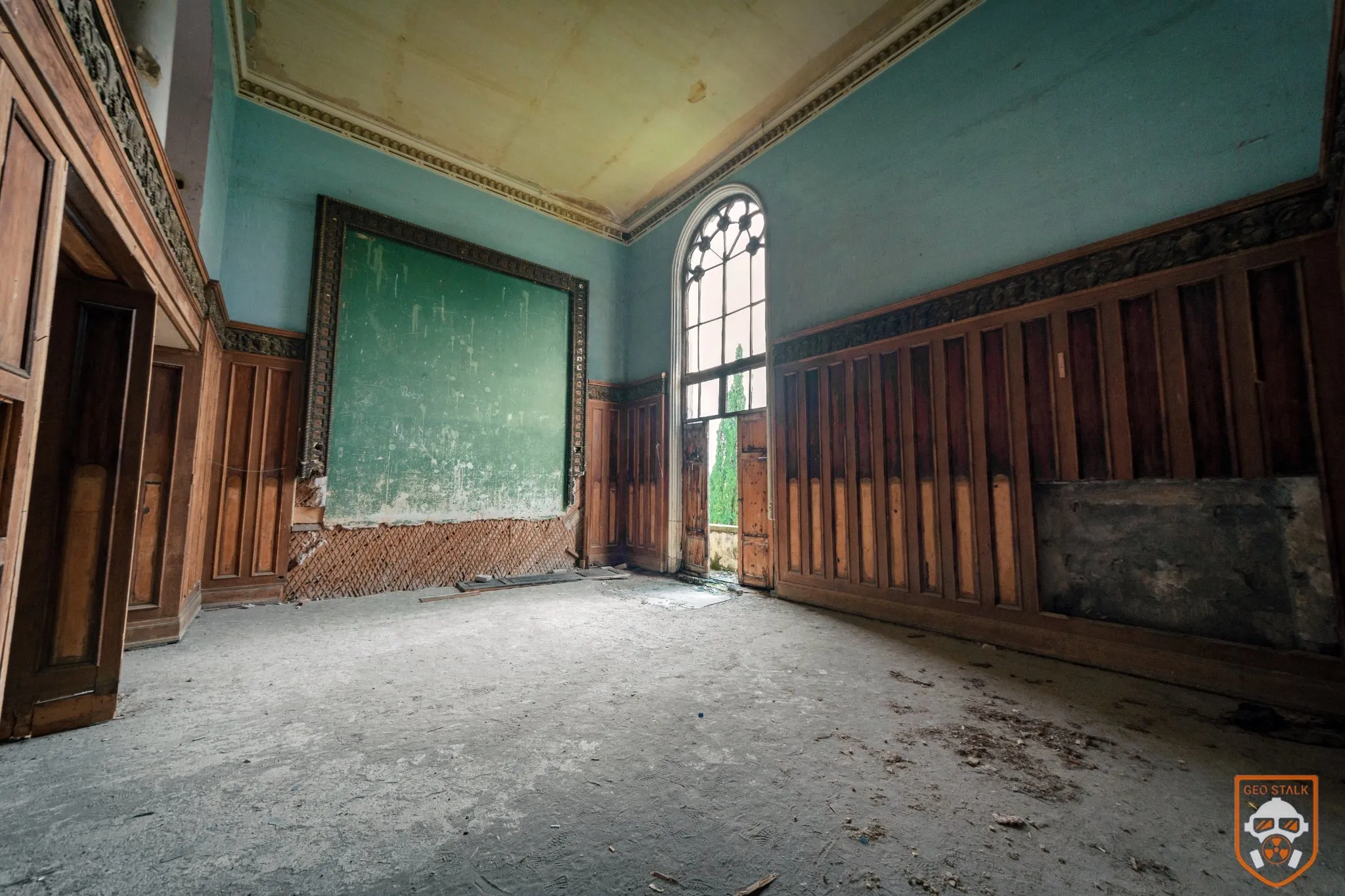
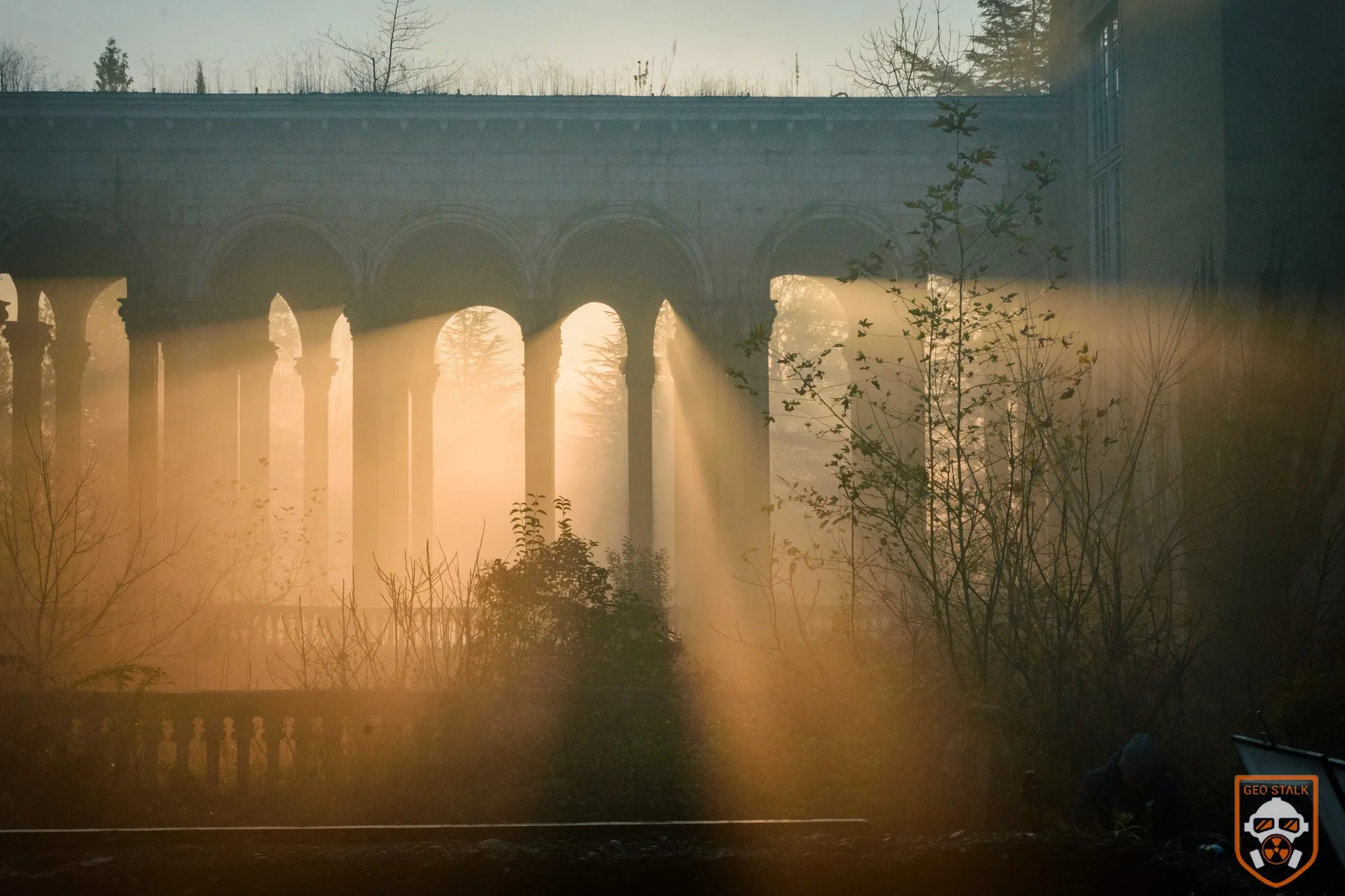
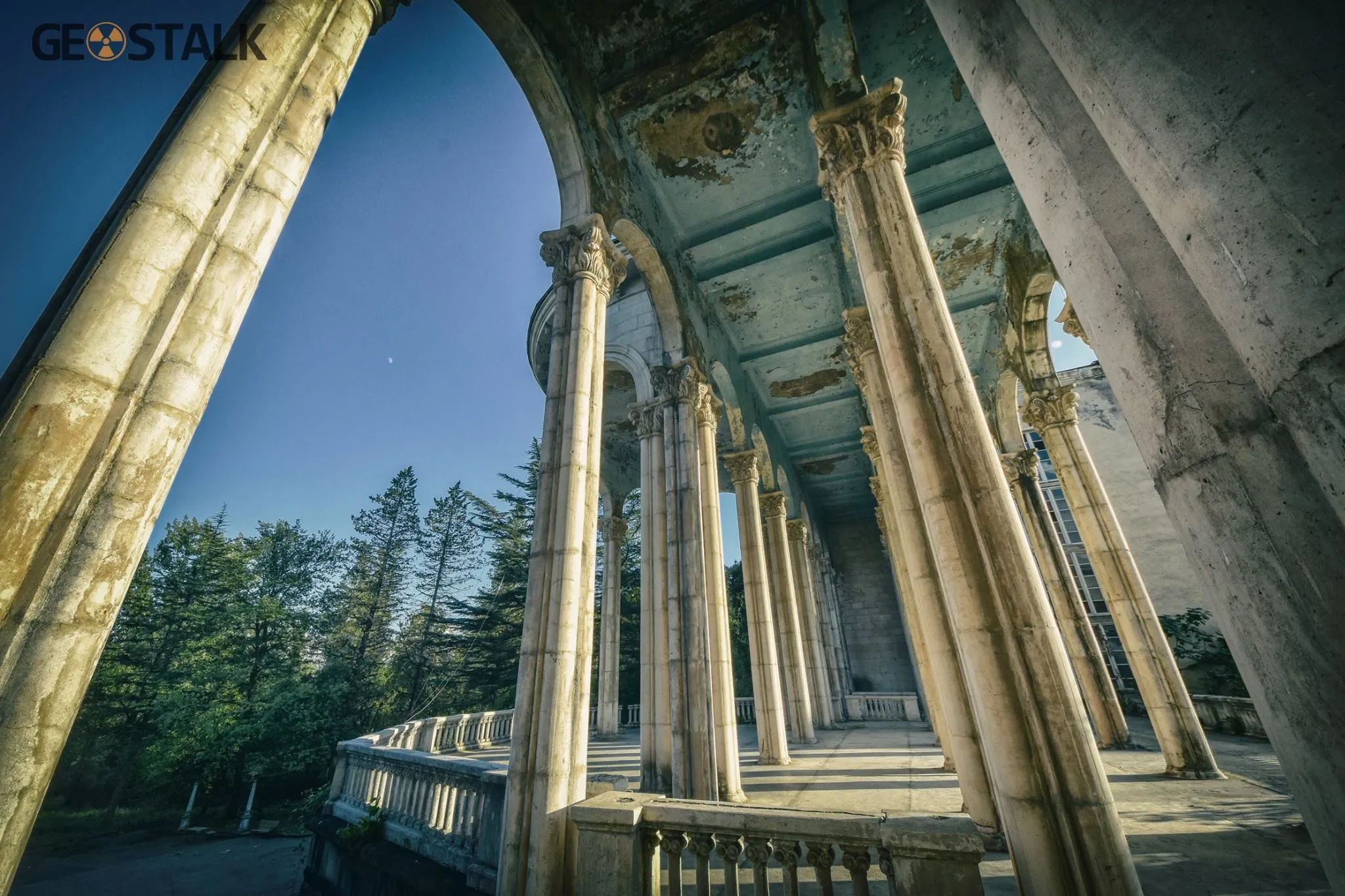
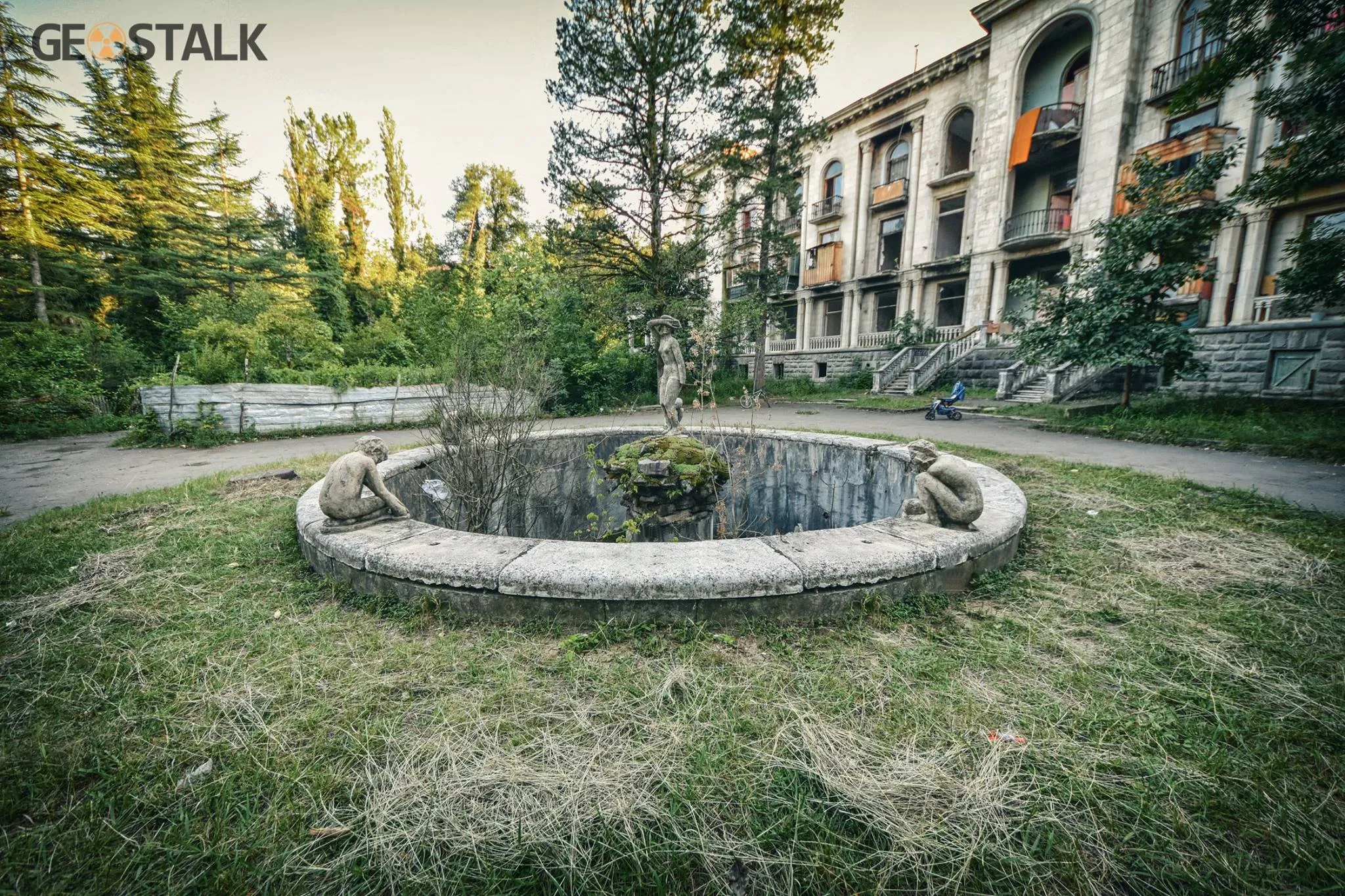
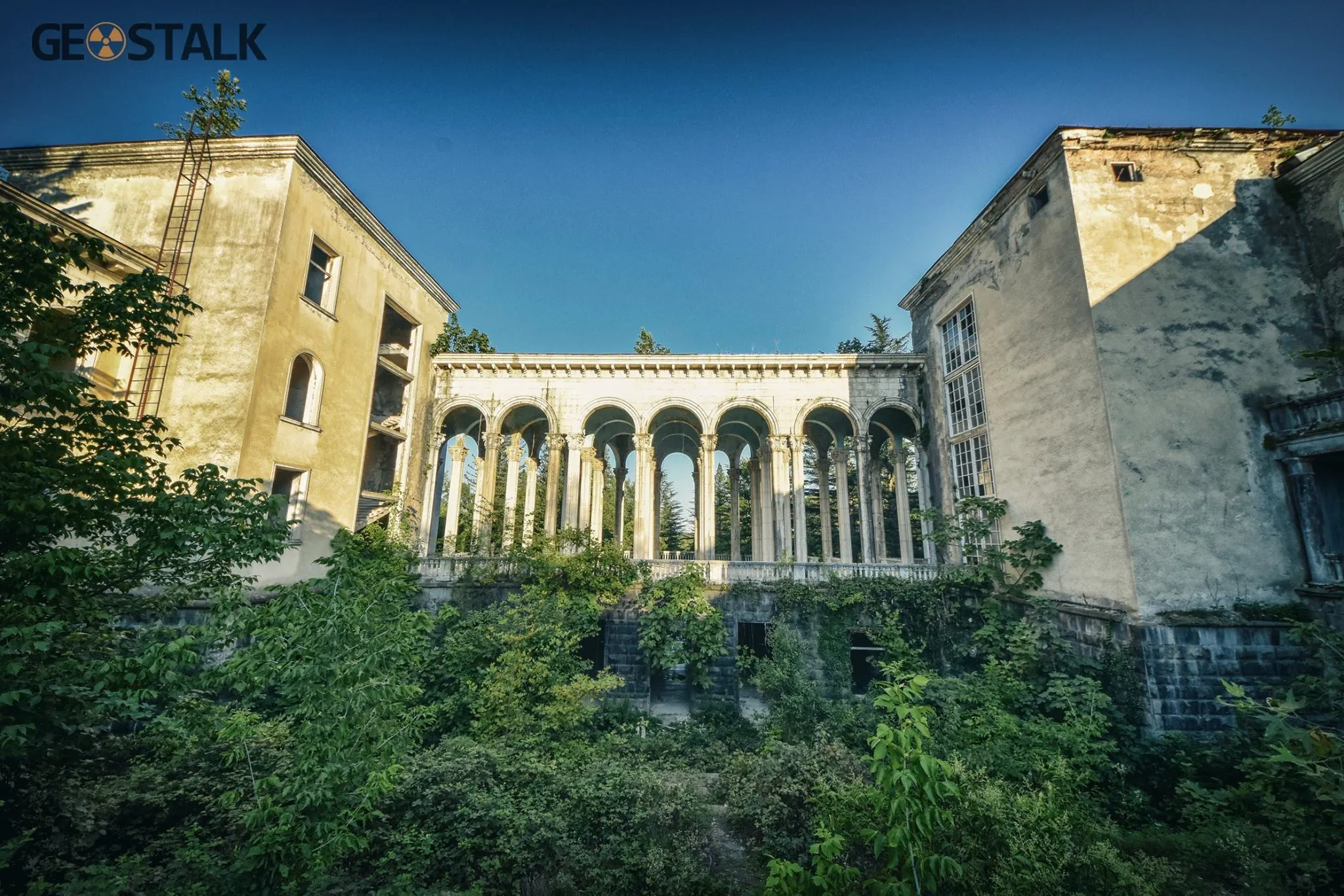
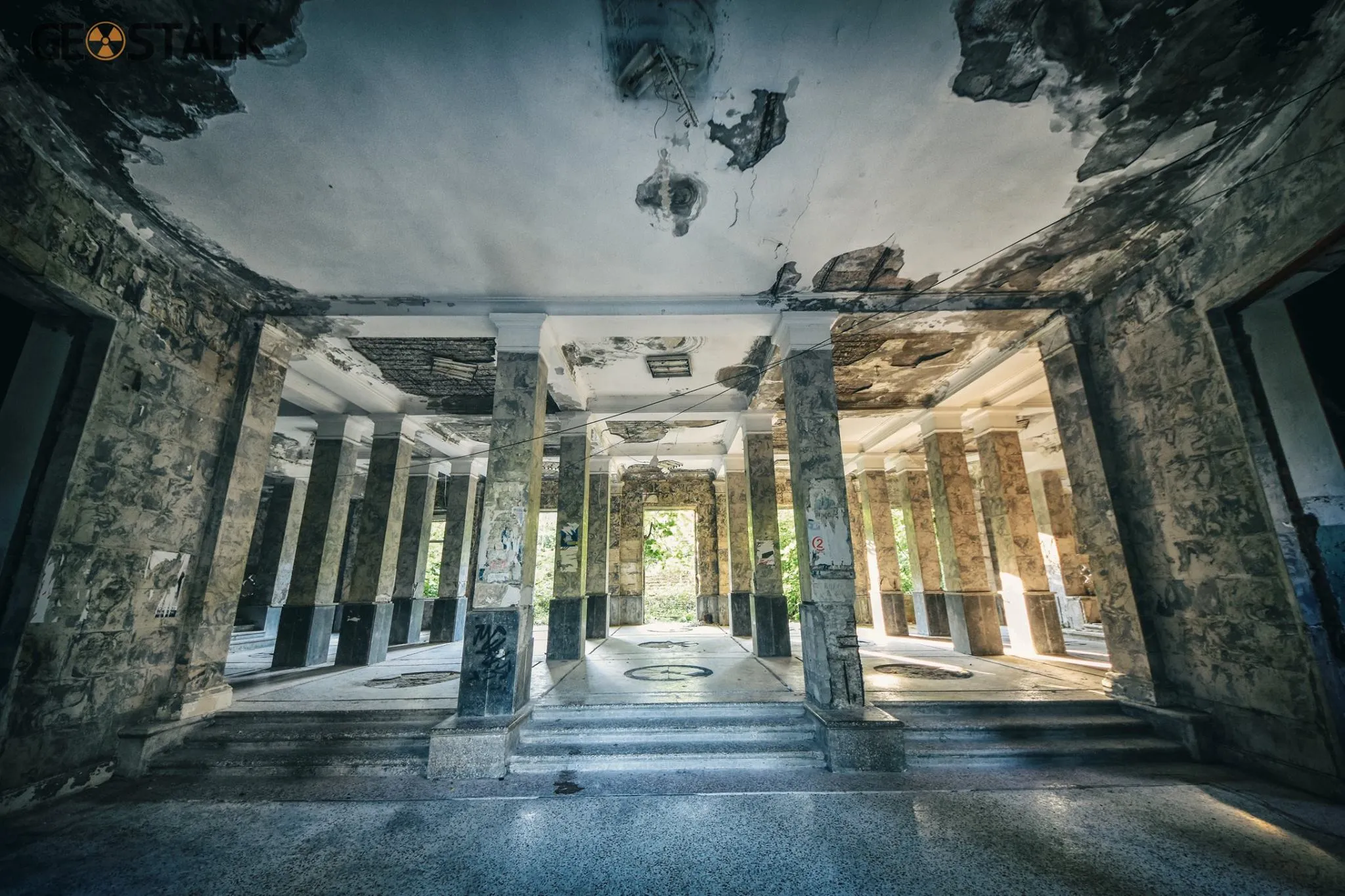
Construction of this large resort complex began in 1957 and finished in 1962, designed by A. Intskirveli and F. Focxishvili. The sanatorium consists of six interconnected buildings and was considered one of the most luxurious projects in Tskaltubo. The main entrance and staircase are lined with granite, leading into a spacious hall supported by columns, with direct access to the backyard. The left wing of the entrance connects to the southern outbuilding, while outdoor staircases rise to second-floor balconies.
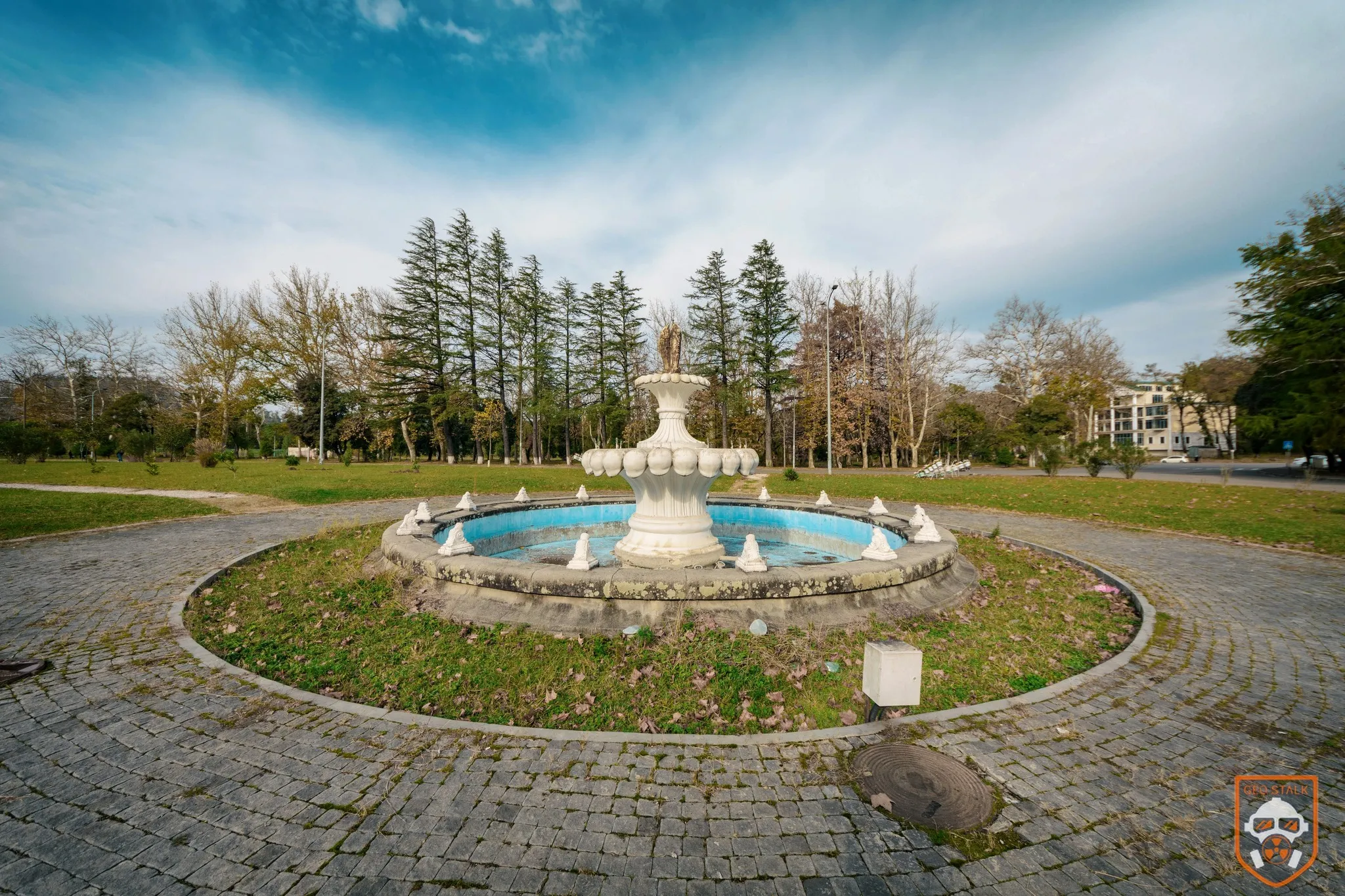
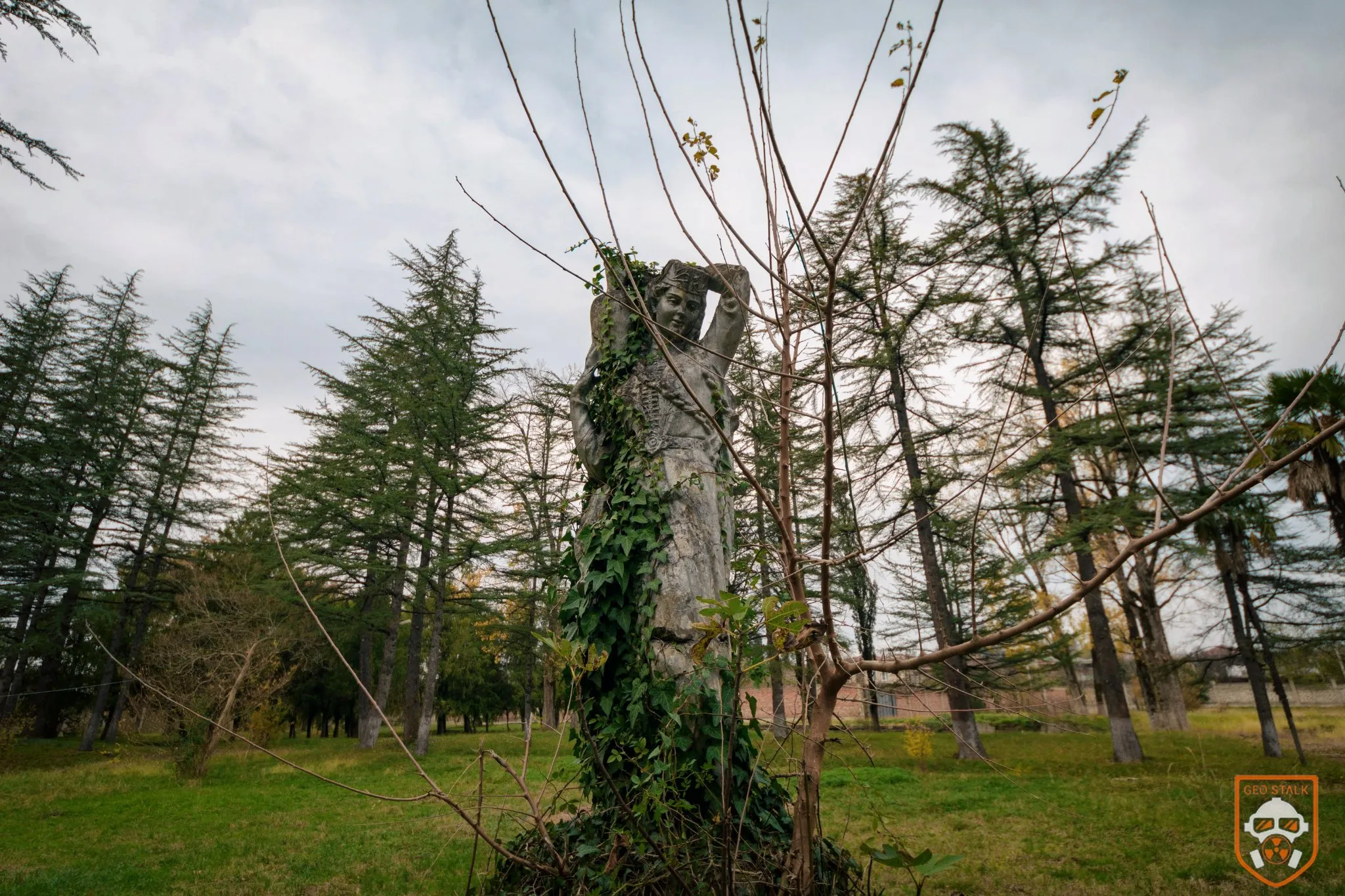
A long, curved three-storey building stretches along the southern side and contains most of the guest rooms. Its façade is decorated with ornamental arches. The grounds are dotted with fountains, including one distinctive piece featuring five seated boys surrounding a central figure of a girl. Located away from main roads, it offered a quiet setting for visitors. Funded by the USSR Food Industry, the sanatorium had space for 325 guests. A typical 20-day treatment cost 130 rubles – considered expensive at the time. Originally called Centrouzie, it was later renamed Medea. Today most of the complex is occupied by families displaced from Abkhazia. More photos here
View on map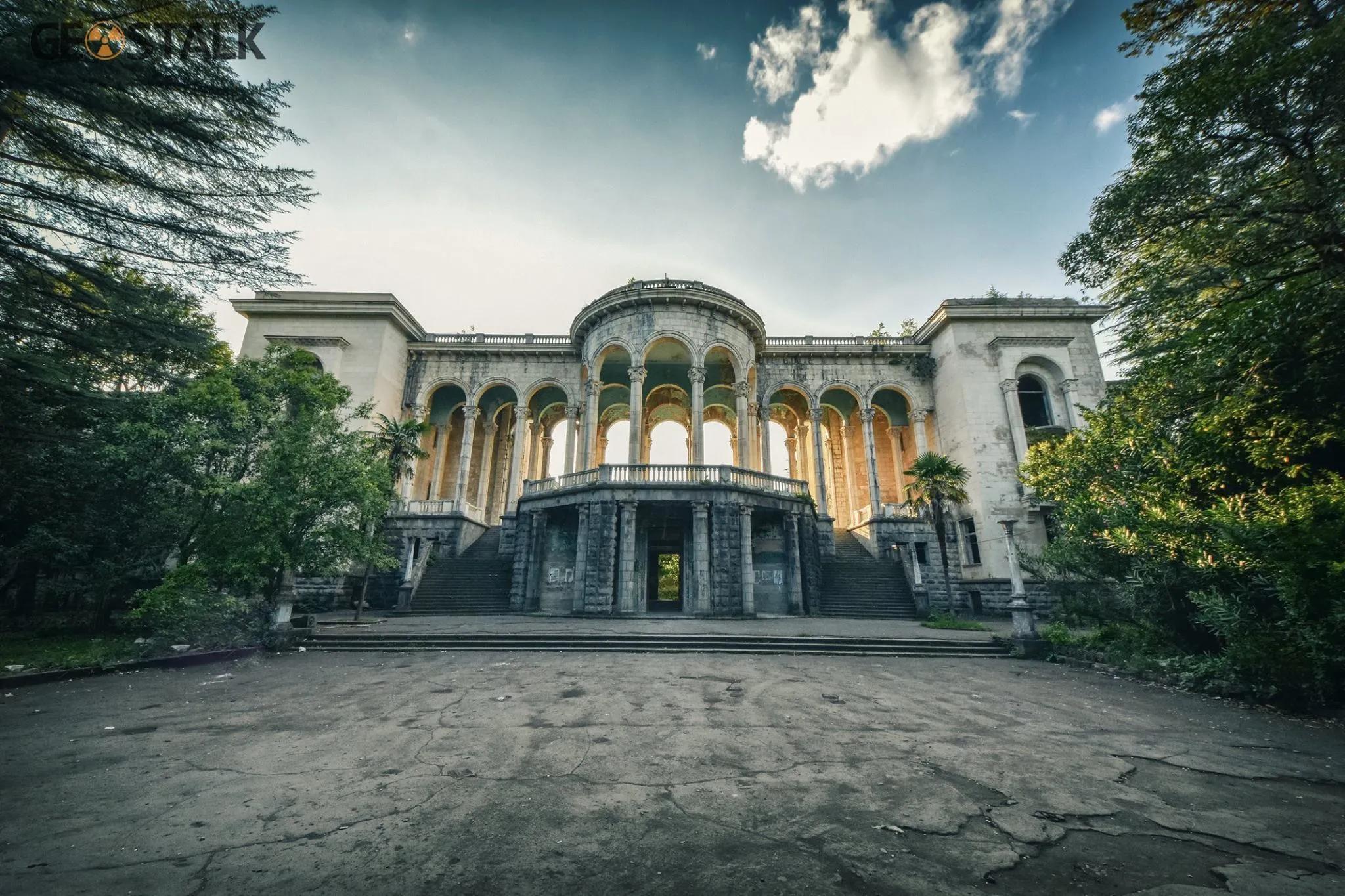


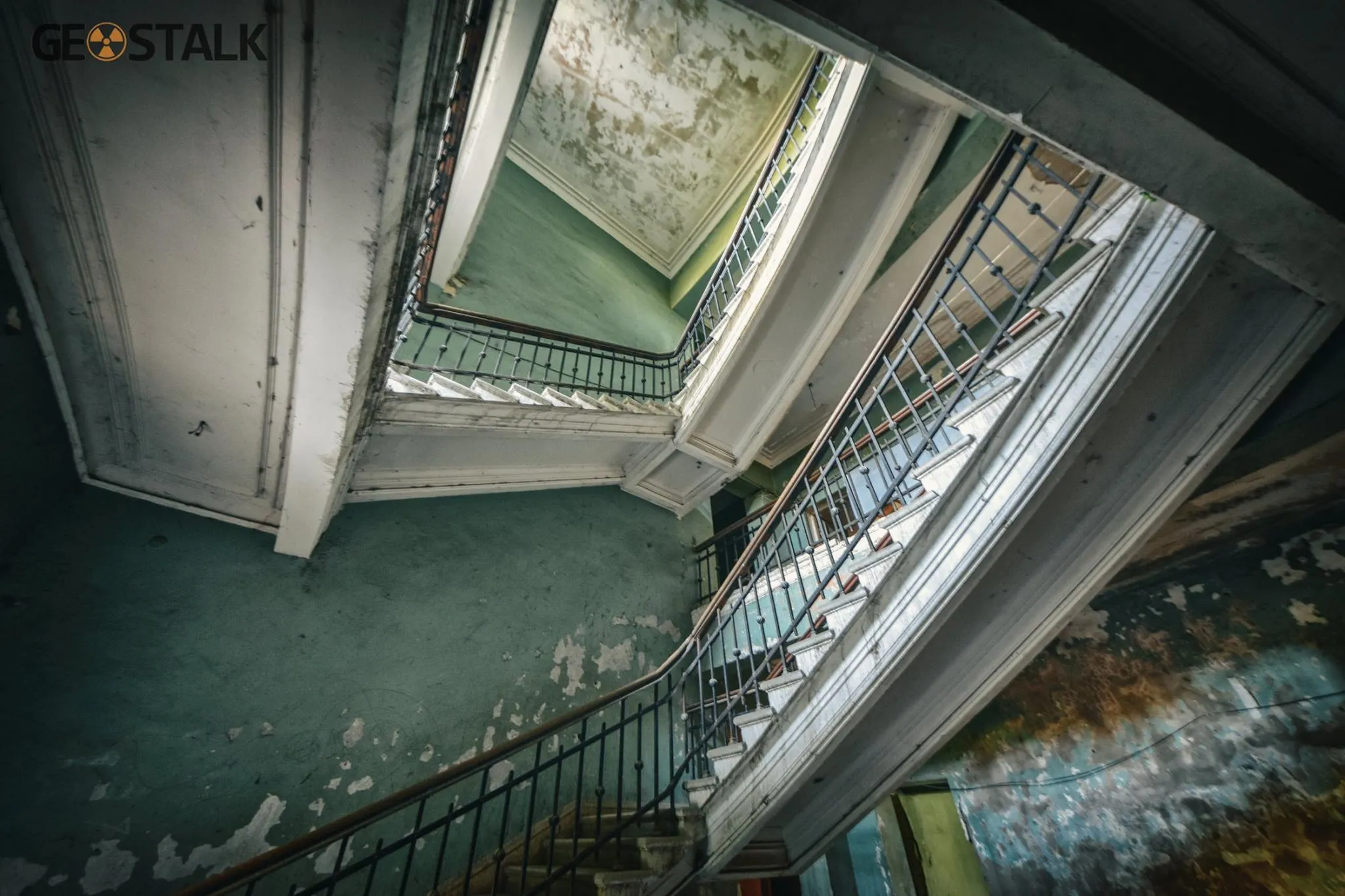

Sanatorium Sakartvelo
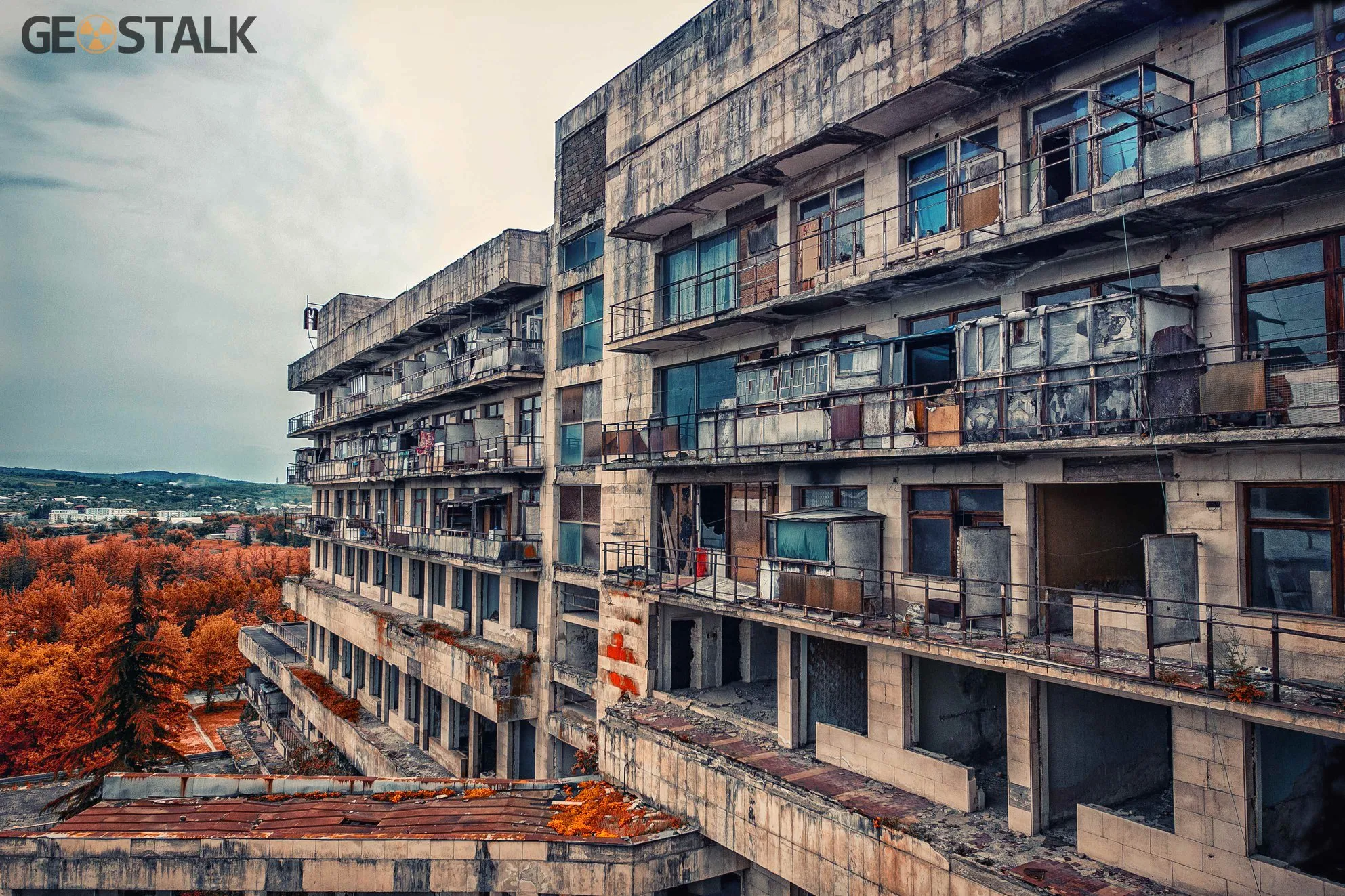
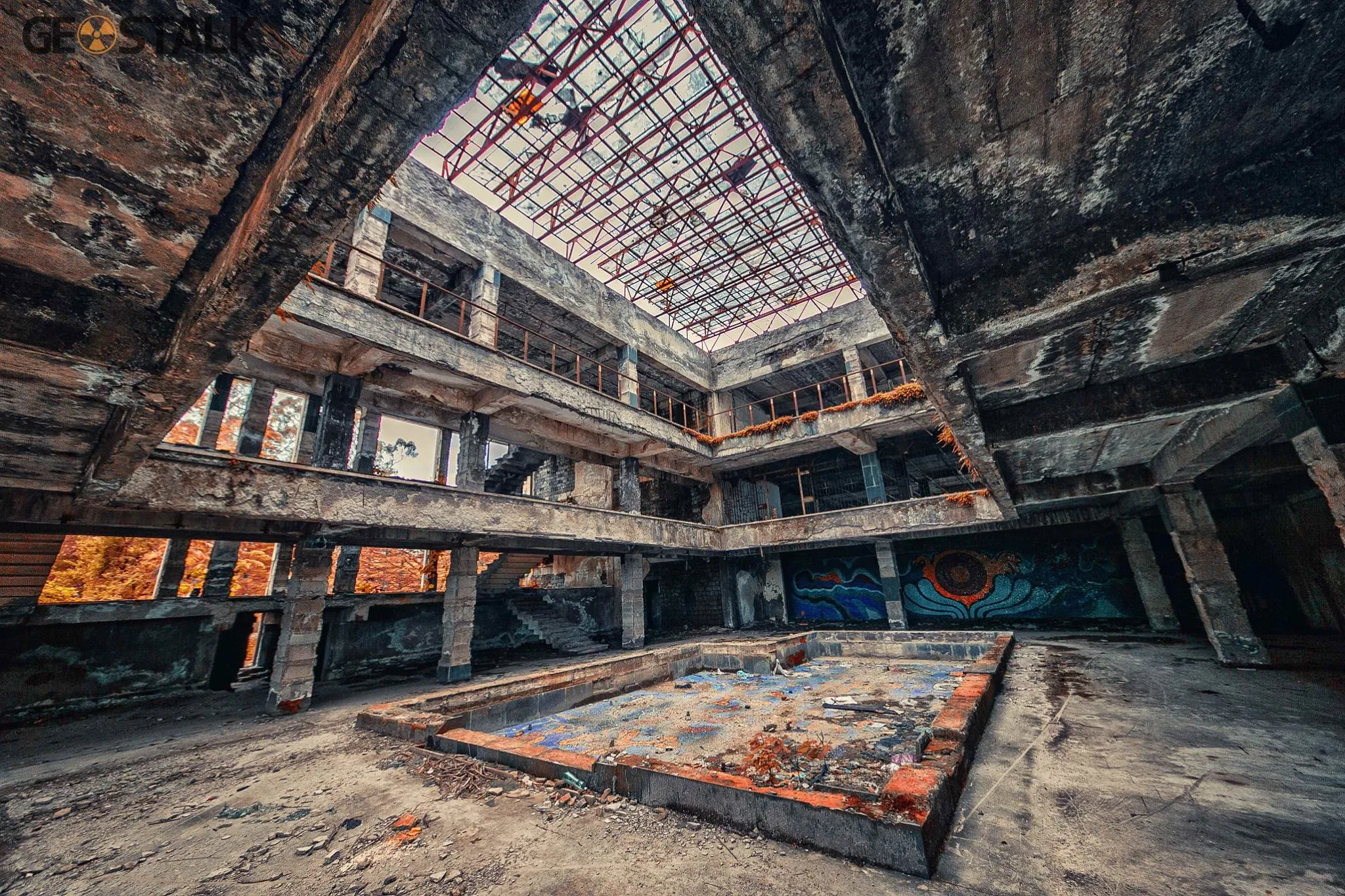
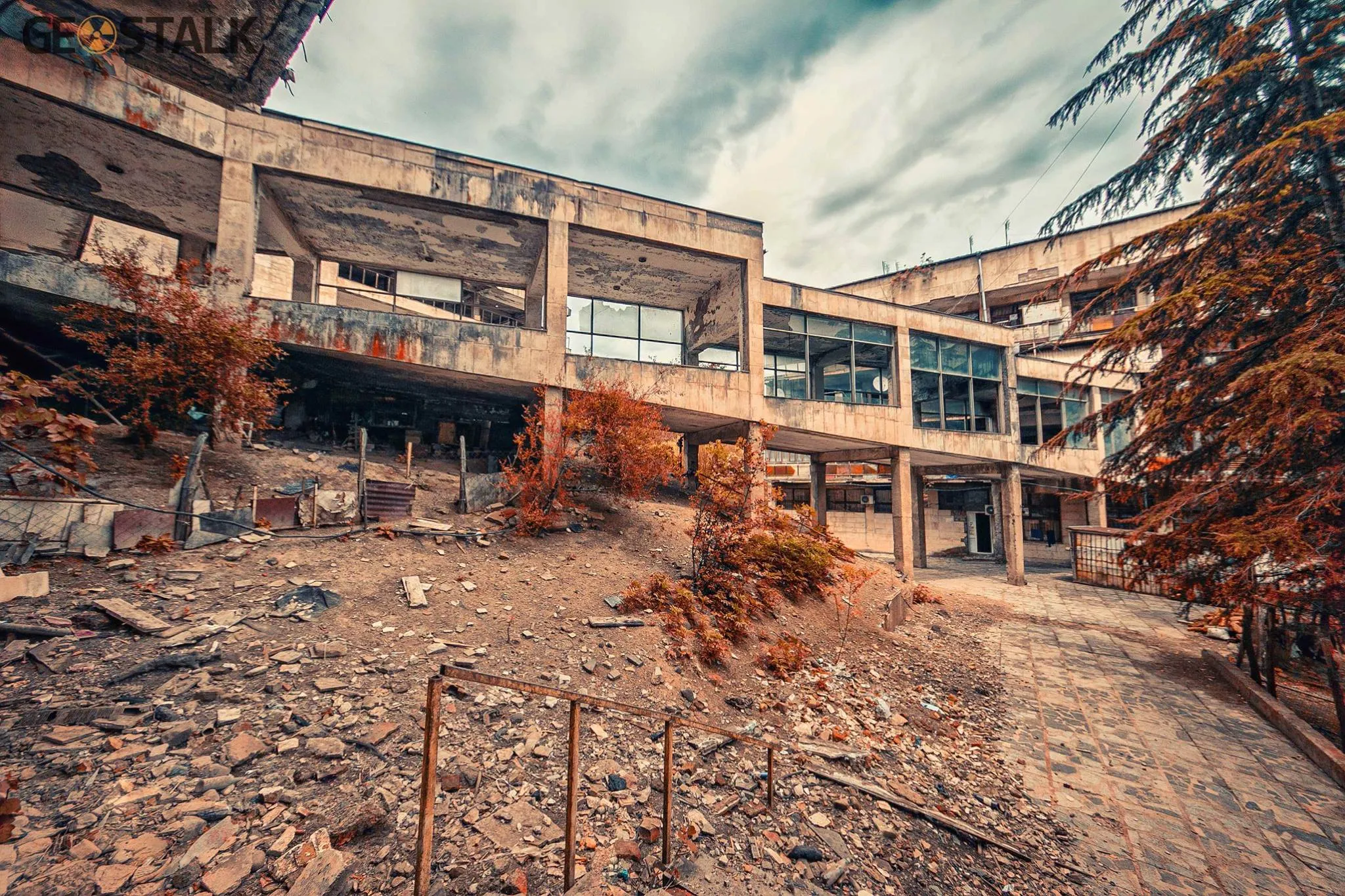
Construction of the Sakartvelo sanatorium began in 1974 and finished on September 1, 1983. Designed by Merab Chkhenkeli with Rezo Janashia as co-author, the complex offered 500 rooms, split into two blocks of 250 each. The left block rises 11 storeys and once housed the dining hall, entertainment areas, and other facilities. The two buildings were linked by an enclosed bridge. It was also the first sanatorium in the USSR to offer stays both with and without meals. A 24-day treatment cost 180 rubles.
Today, part of the complex is inhabited by IDPs from Abkhazia, while other sections stand abandoned. More photos here
View on map
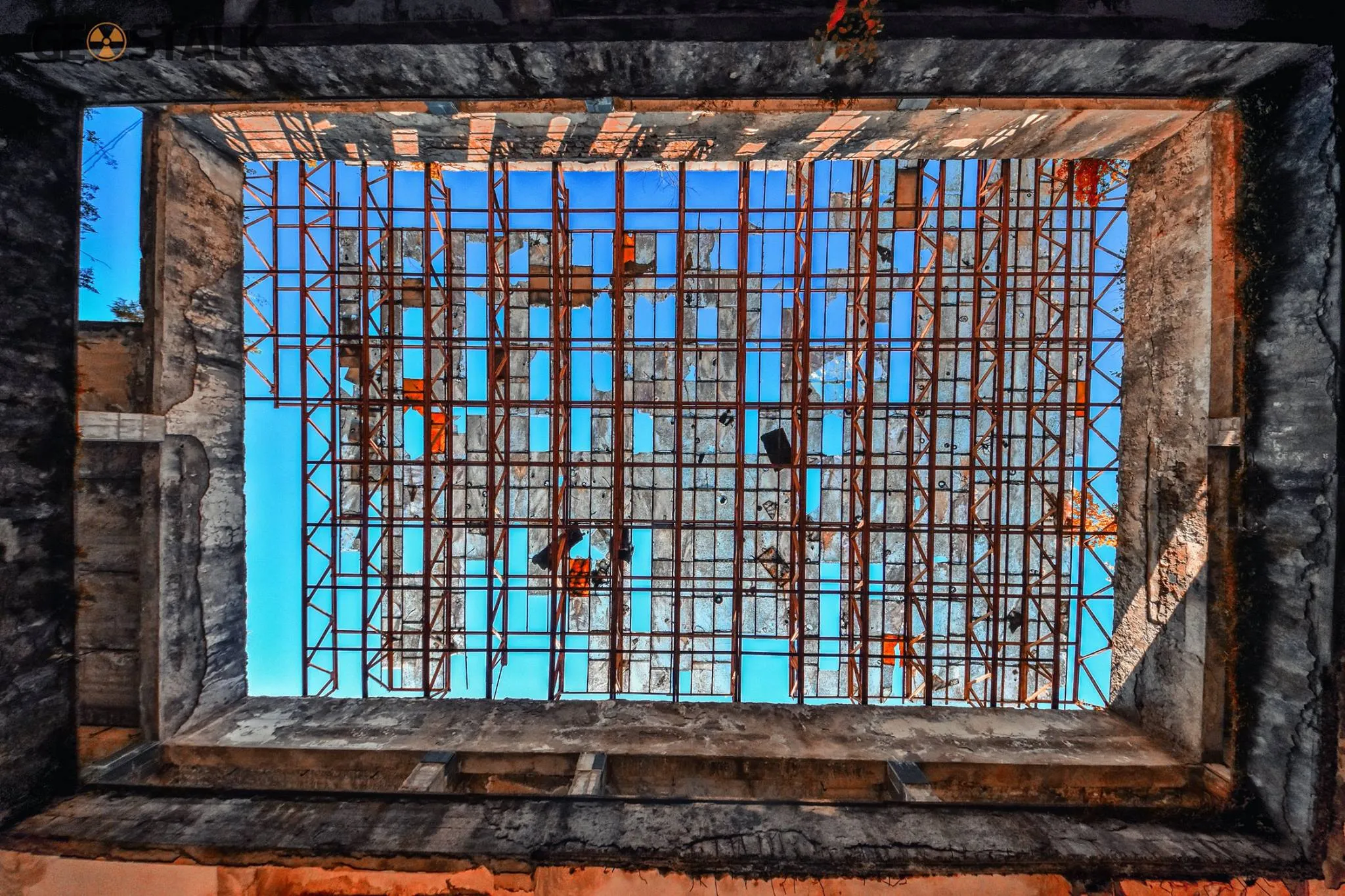



Bathhouse N8
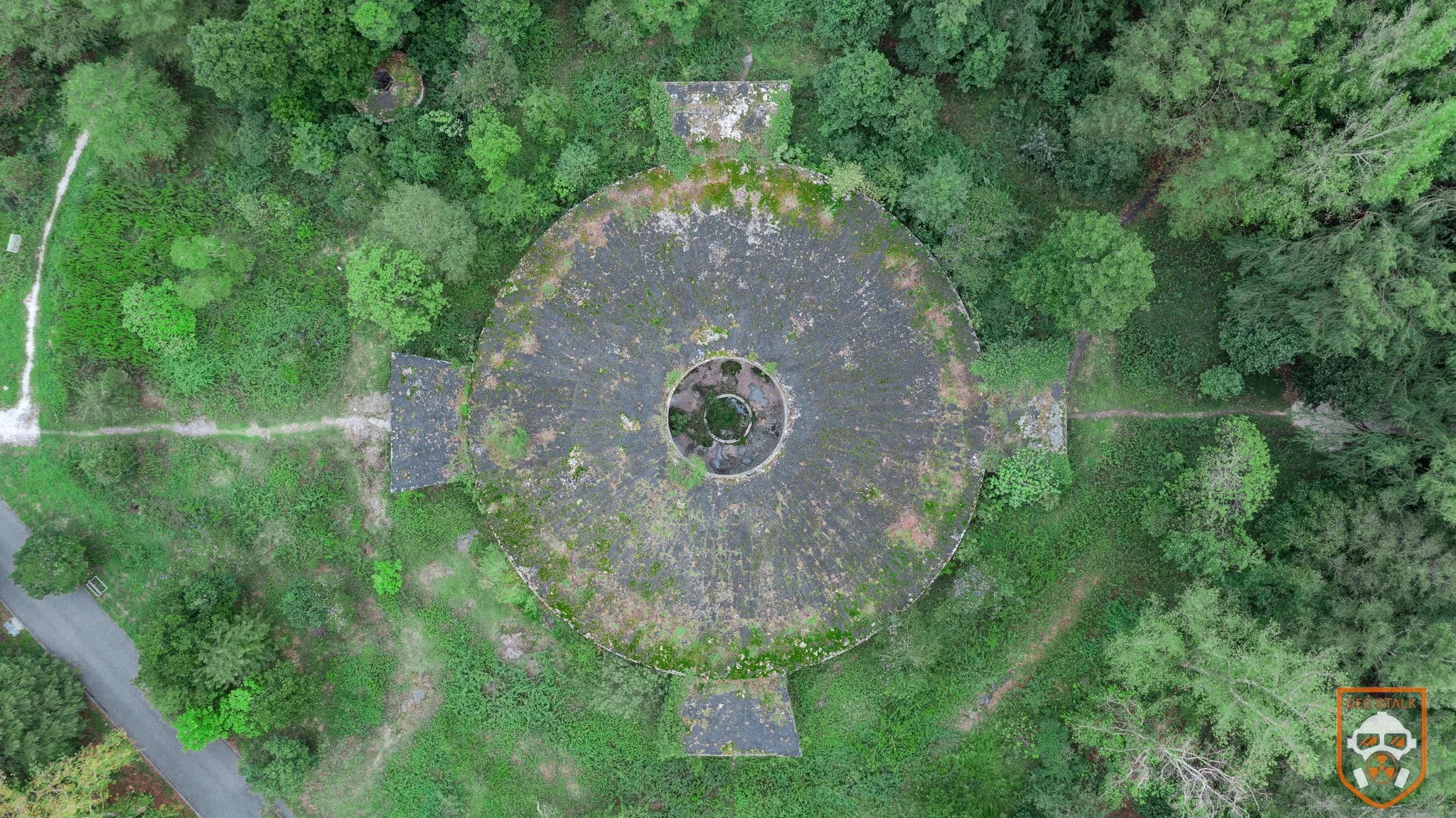
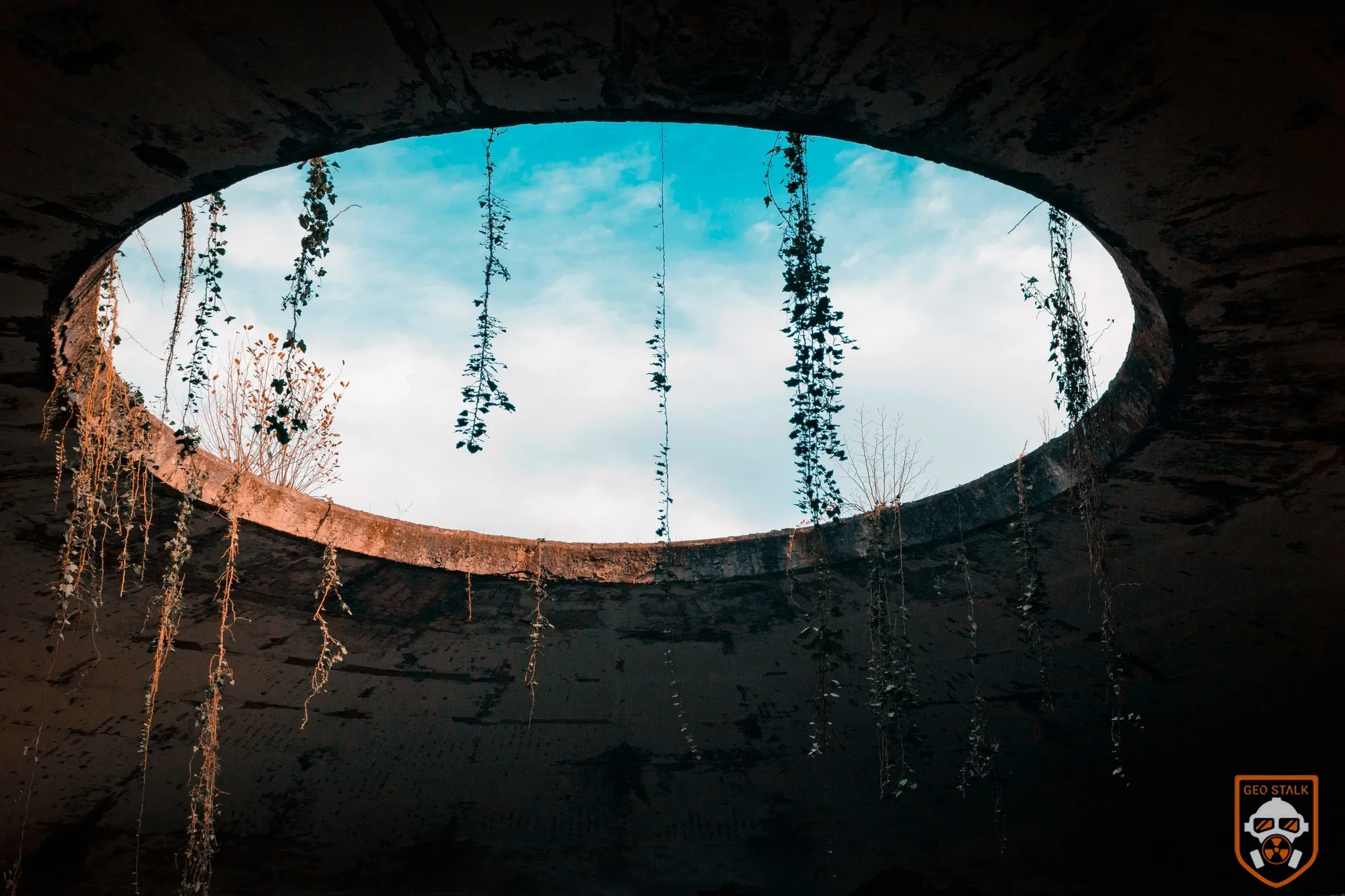
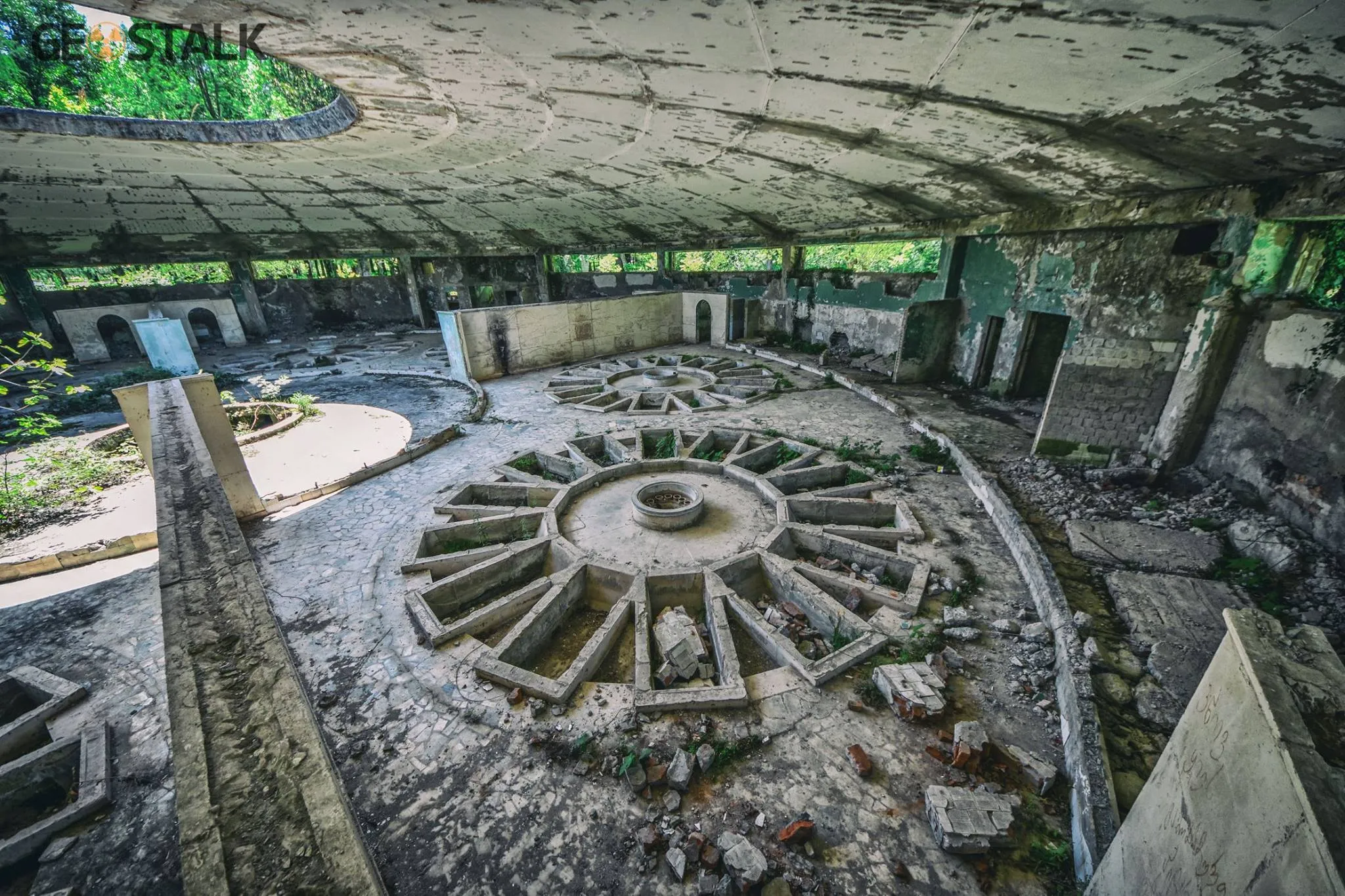
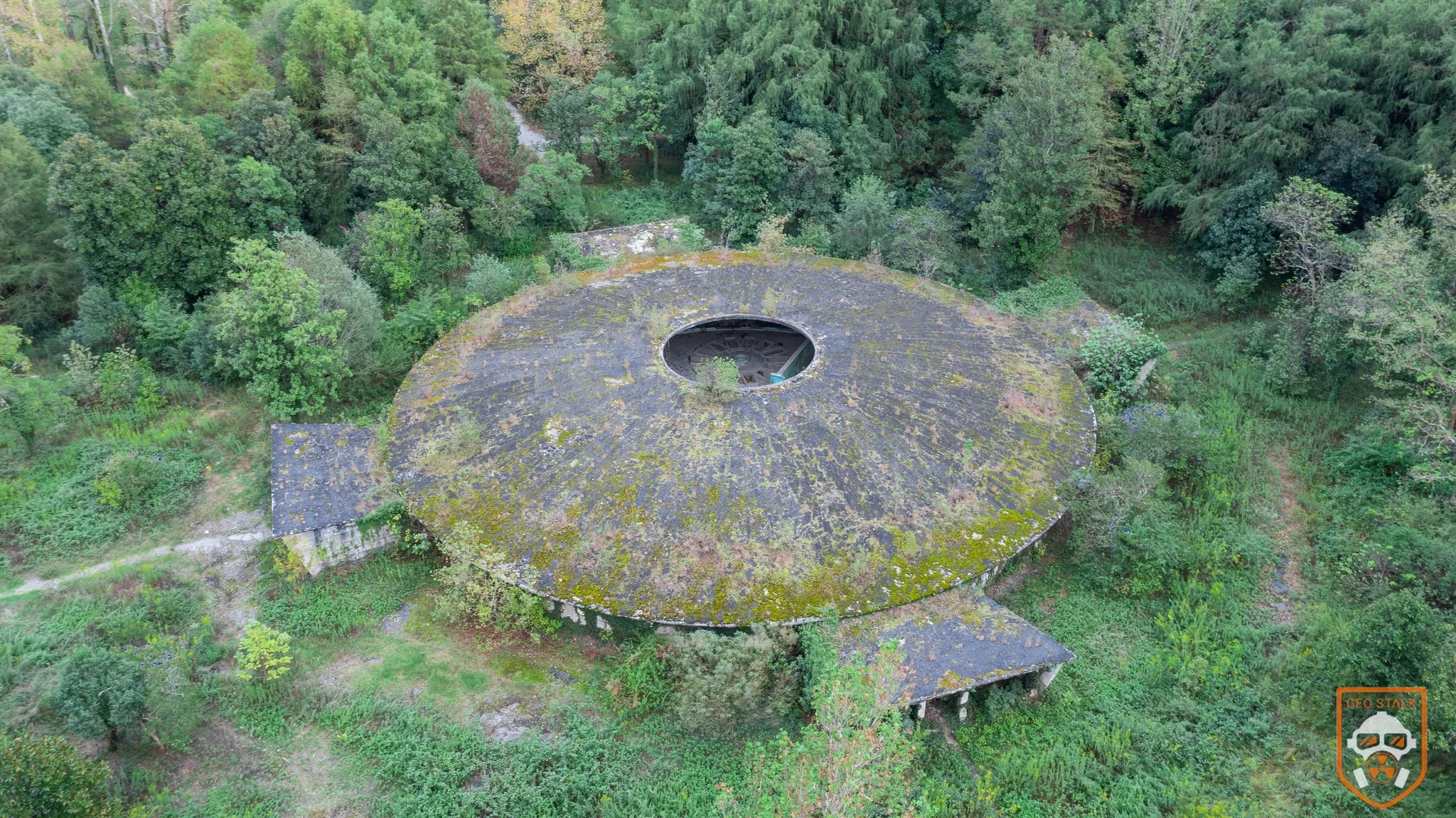
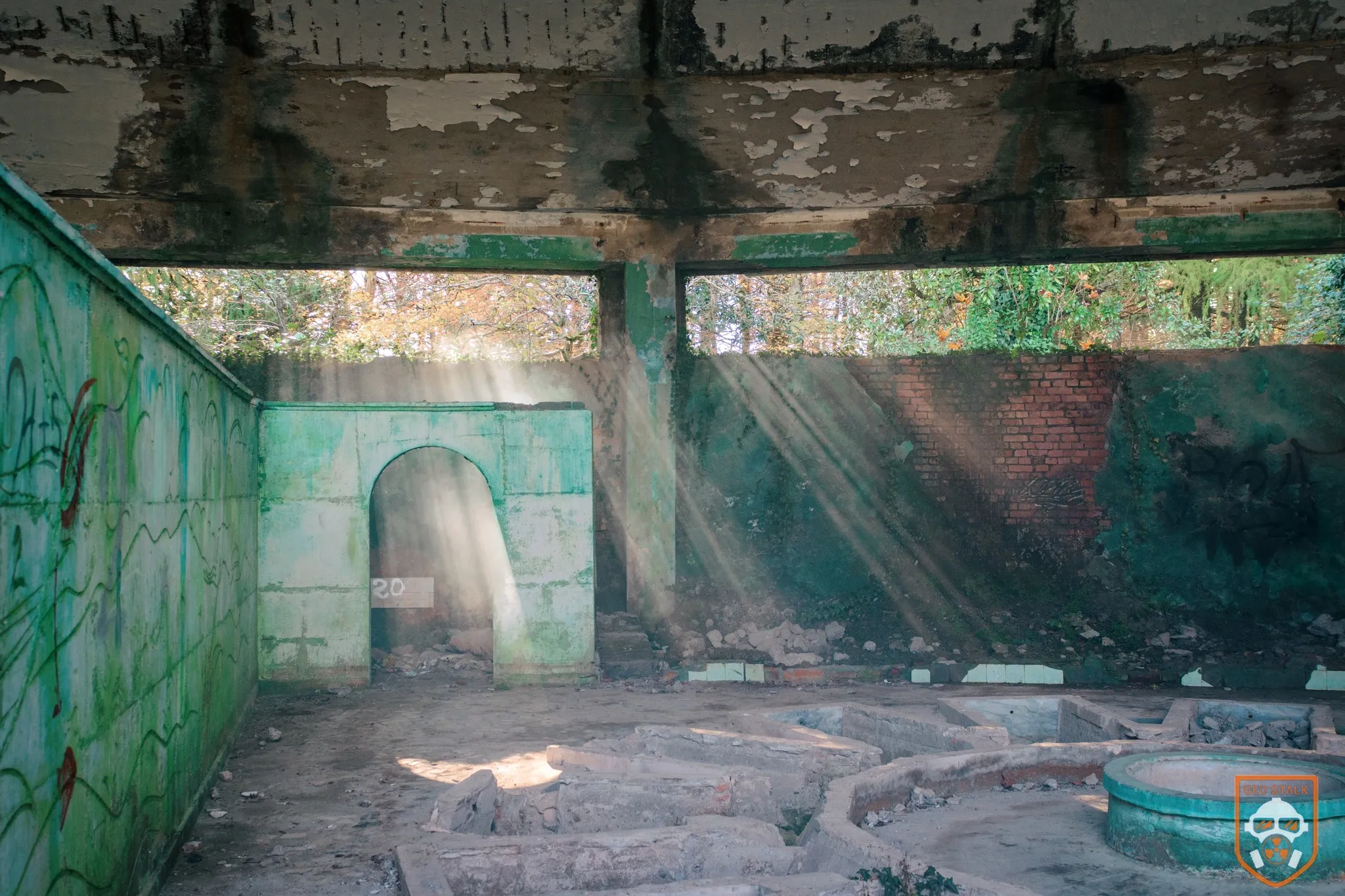
Completed in 1959 and designed by Ioseb Zaalishvili and D. Kajaia, this bathhouse introduced Georgia’s first dome roof reinforced in this manner – the 42-ton structure was a technical achievement for its time. The building has four sections, each containing 28 private cabins, and could serve 134 men per hour. It is now fully abandoned but remains a striking location for photography.
View on map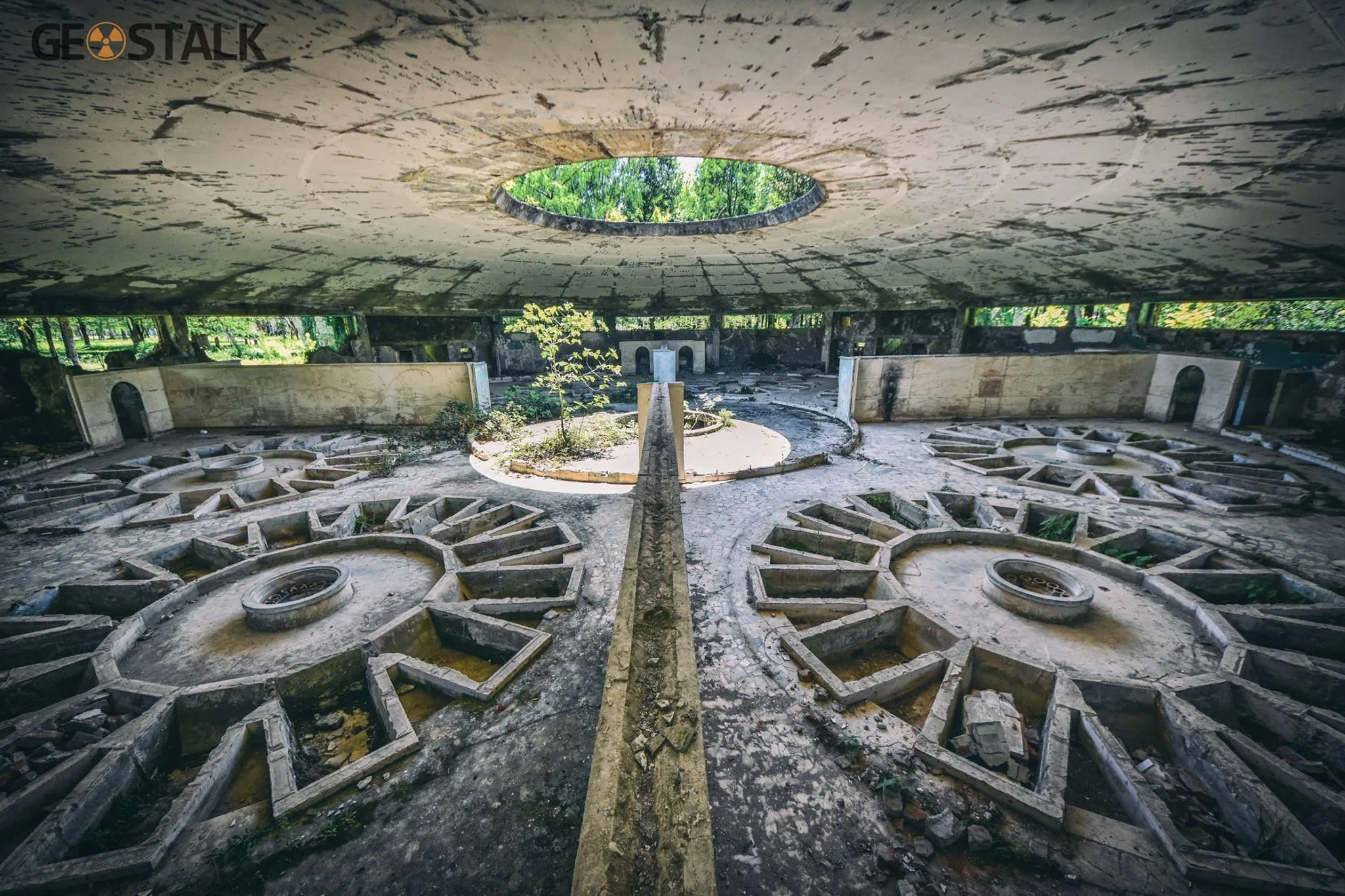

Bathhouse N5
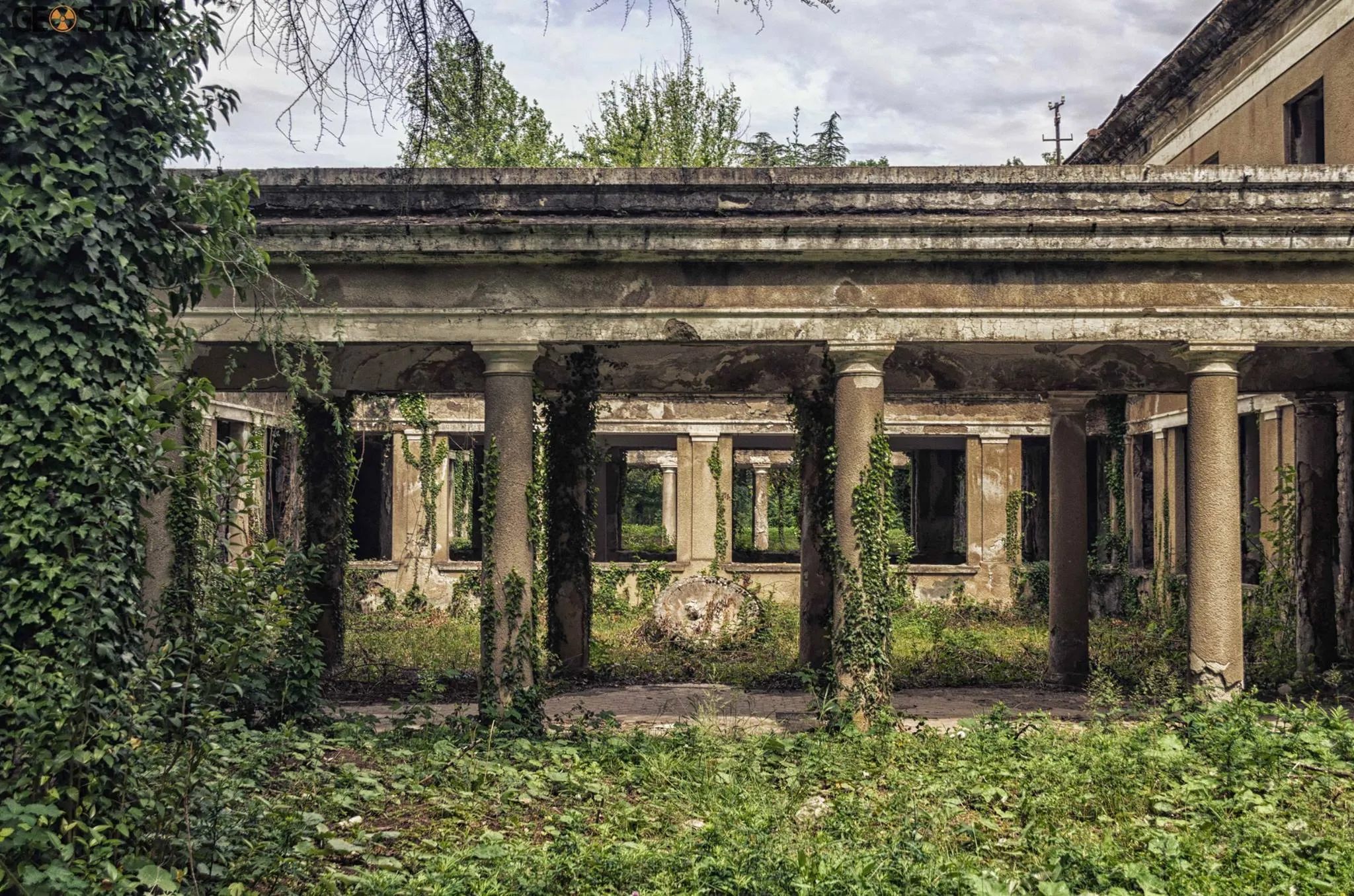
Built in 1950–1951 by architects M.V. Tarasov and G.M. Khimshiashvili, this bathhouse featured 50 private bathing rooms, three pools, and a number of therapeutic rooms. It was abandoned in the late 1990s. More photos here
View on map



Tskhaltubo Railway Station
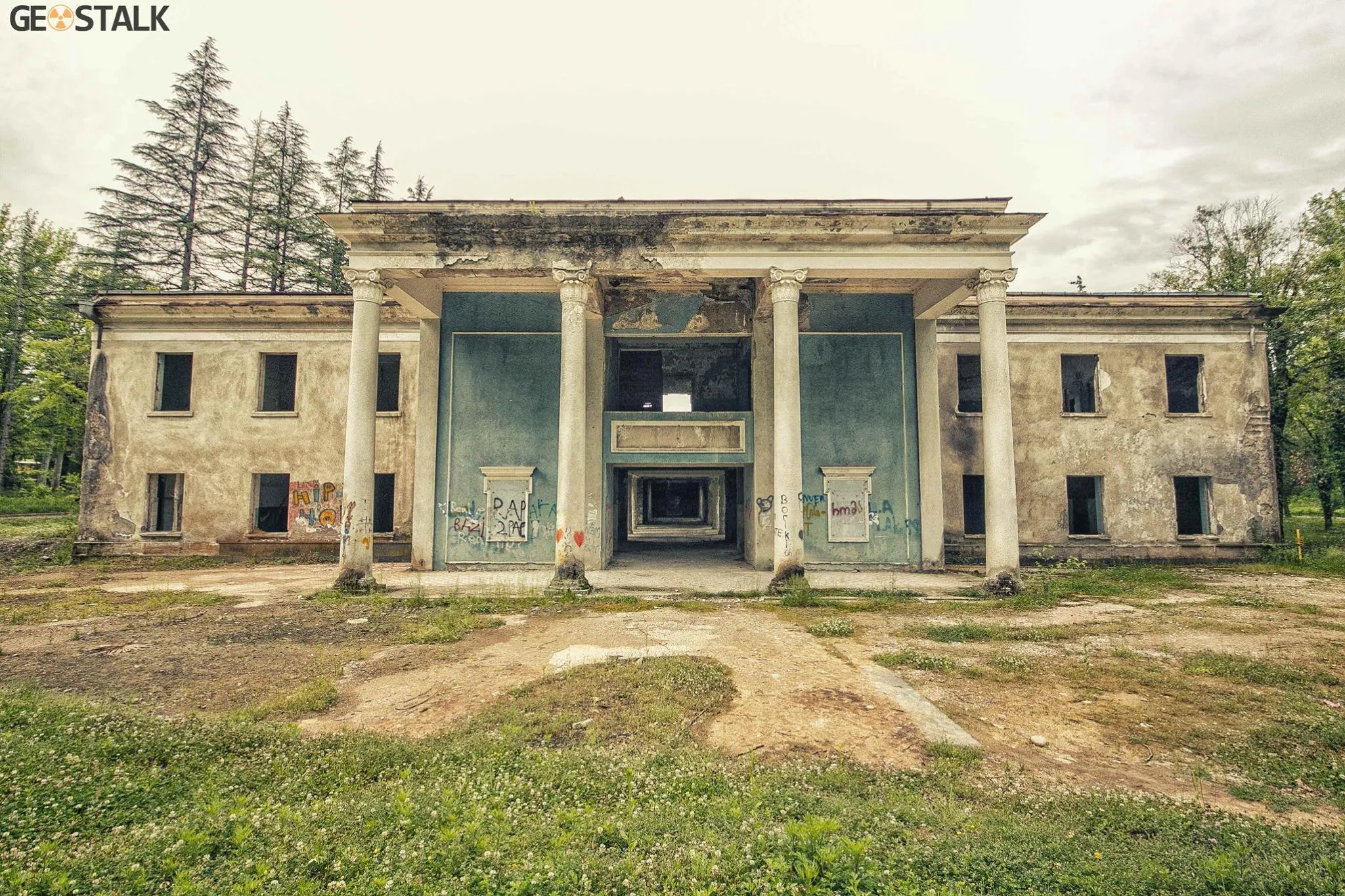
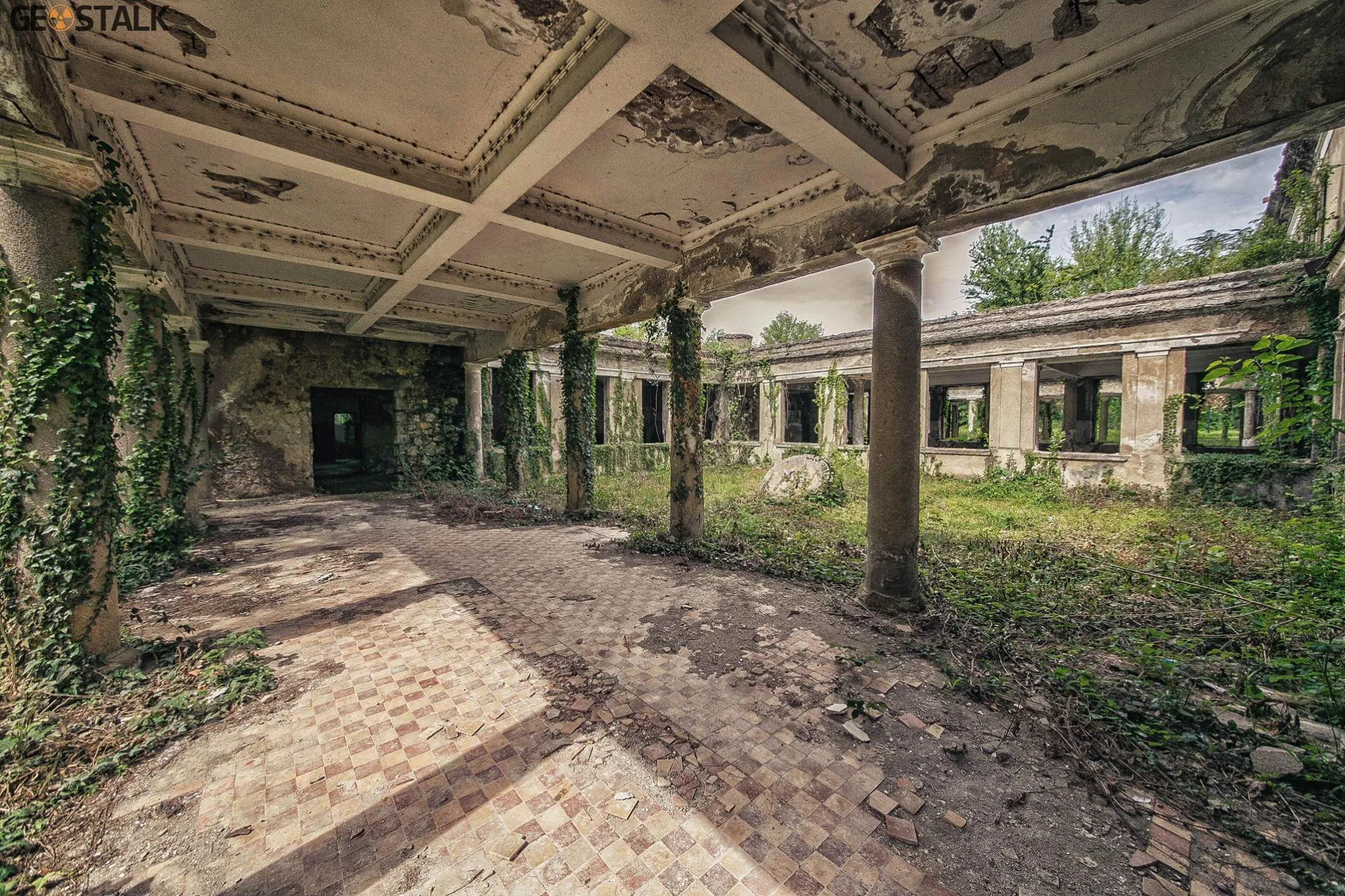
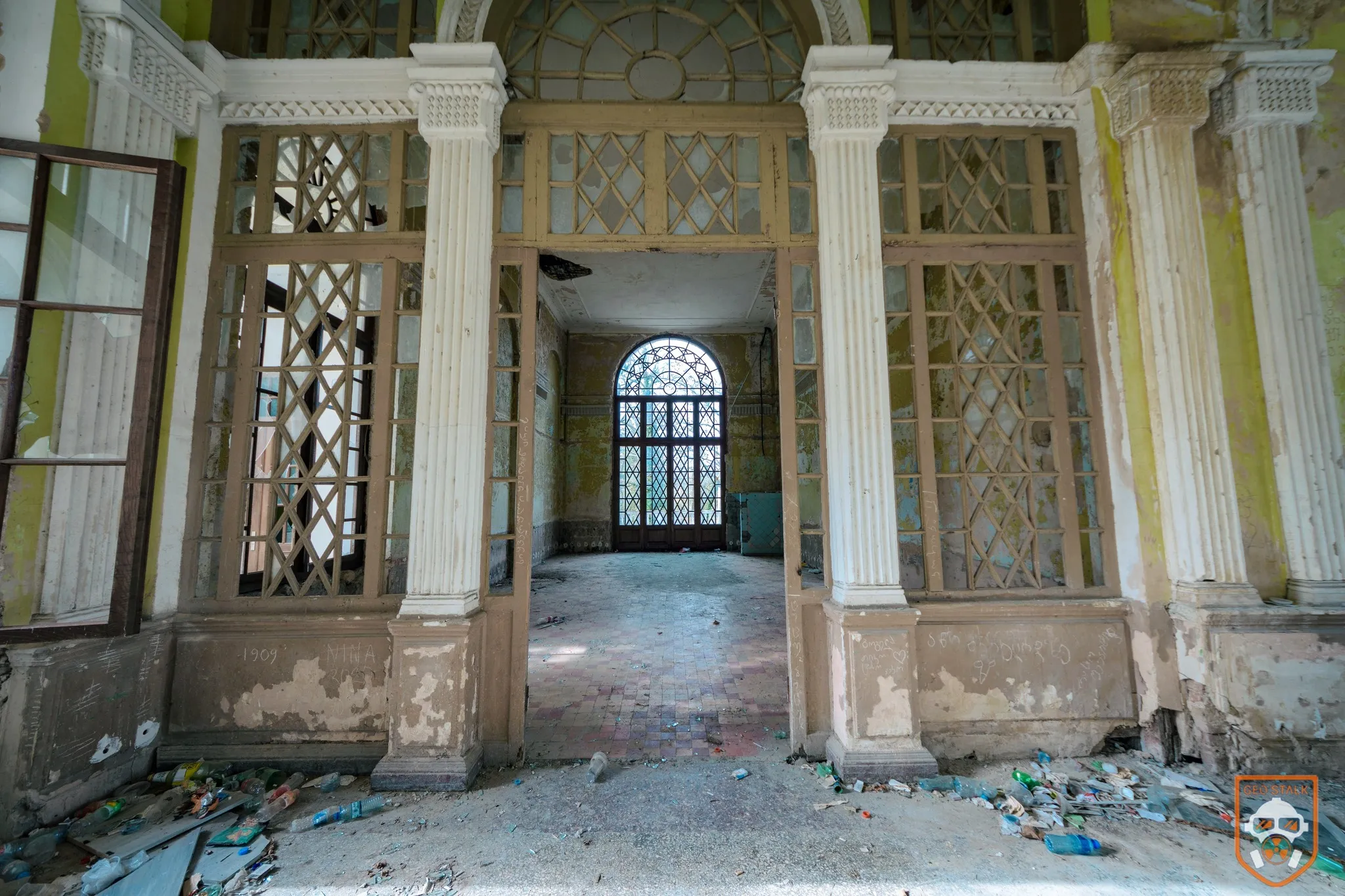
The railway station was built in the 1930s in the Stalinist Empire style. For decades, trains from across the Soviet Union arrived here, bringing visitors to the famous spa town. The two-storey building contained ticket counters, a waiting hall, and rooms for railway staff. It underwent full rehabilitation between 2013 and 2019, but the restoration altered much of its original character. After a brief period of use, the station again fell out of operation, and today it sits neglected and in poor condition. More photos here
View on map