Abandoned & Unusual places of Tbilisi


Tbilisi hides a surprising collection of forgotten architecture and unusual structures, scattered across hillsides and quiet neighborhoods. Beautiful houses and hallways, experimental housing blocks, industrial sites, and bold monuments – each carrying traces of a different era. Some were never finished, others simply outlived their purpose, but all of them offer a glimpse into the city’s layered history. Today these abandoned and unconventional places stand somewhere between decay and curiosity, attracting photographers, urban explorers and anyone drawn to the strange charm of forgotten spaces.
Almost all the photographs belong to the organization Geo Stalk that films all abandoned and peculiar places in Georgia and other countries as well. They take great photos l and maybe even organize tours to these destinations. Definitely do check their Facebook page for more information and more locations – Geo Stalk – Urbex And Hiking


Cinema Apollo in Tbilisi
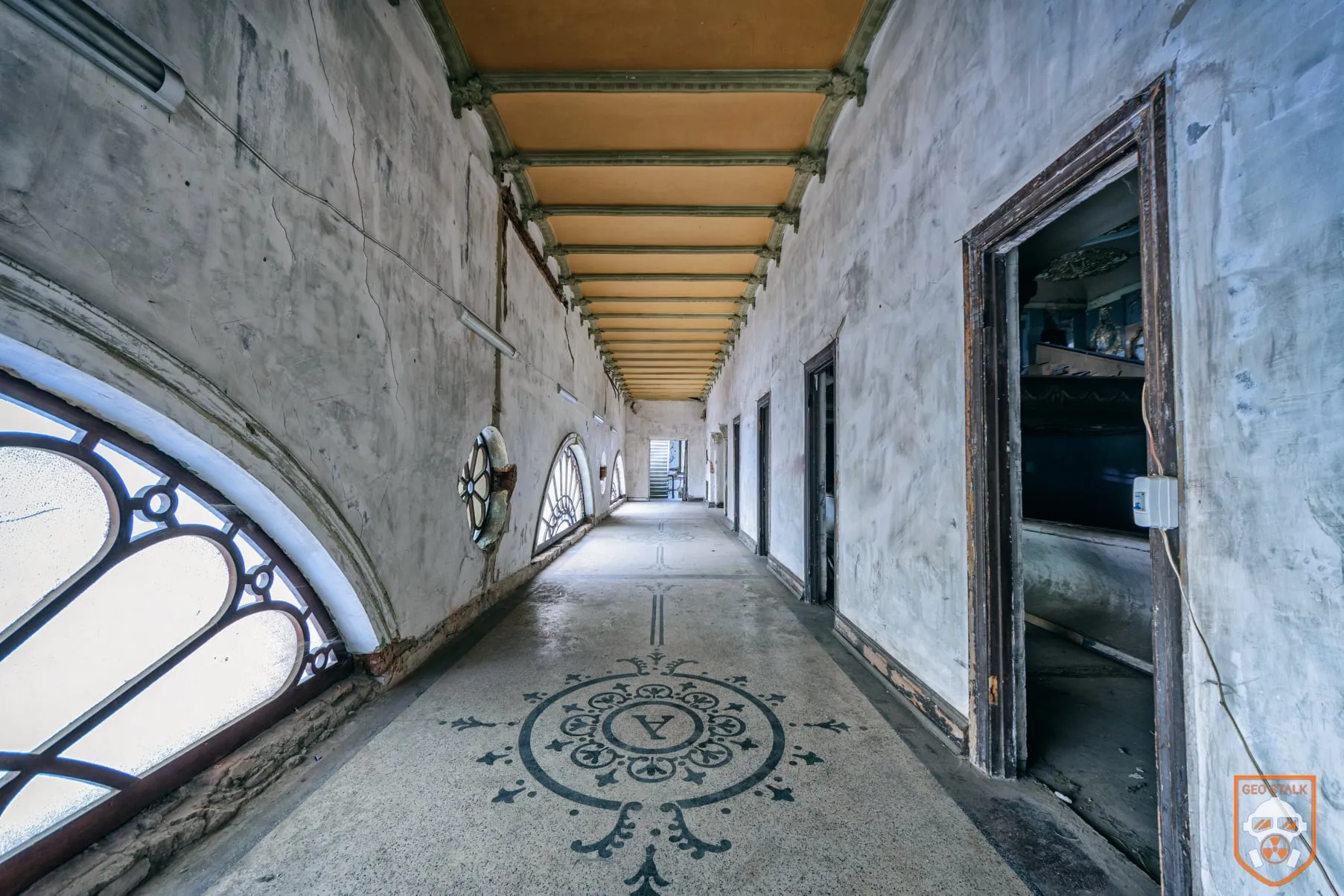
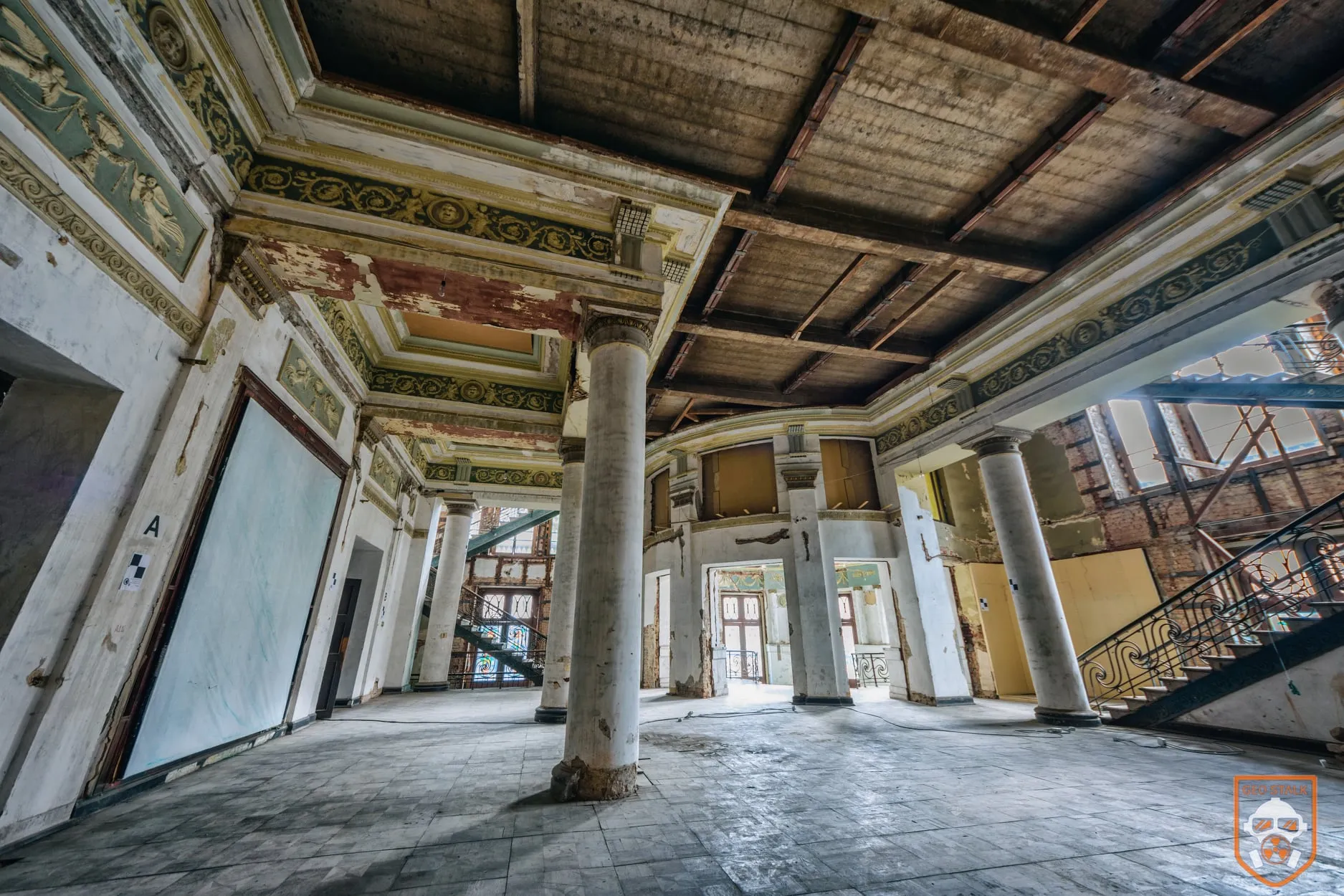
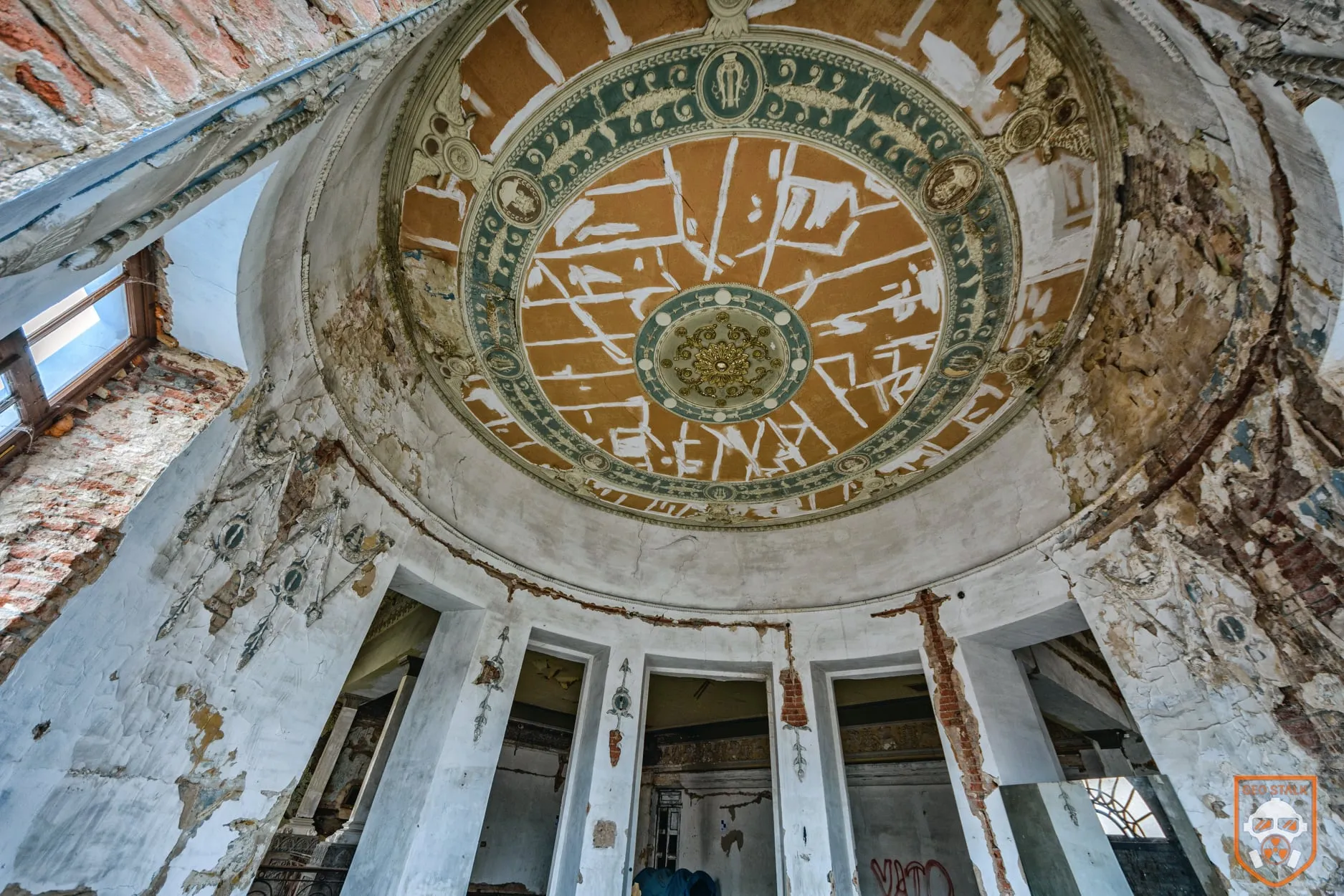
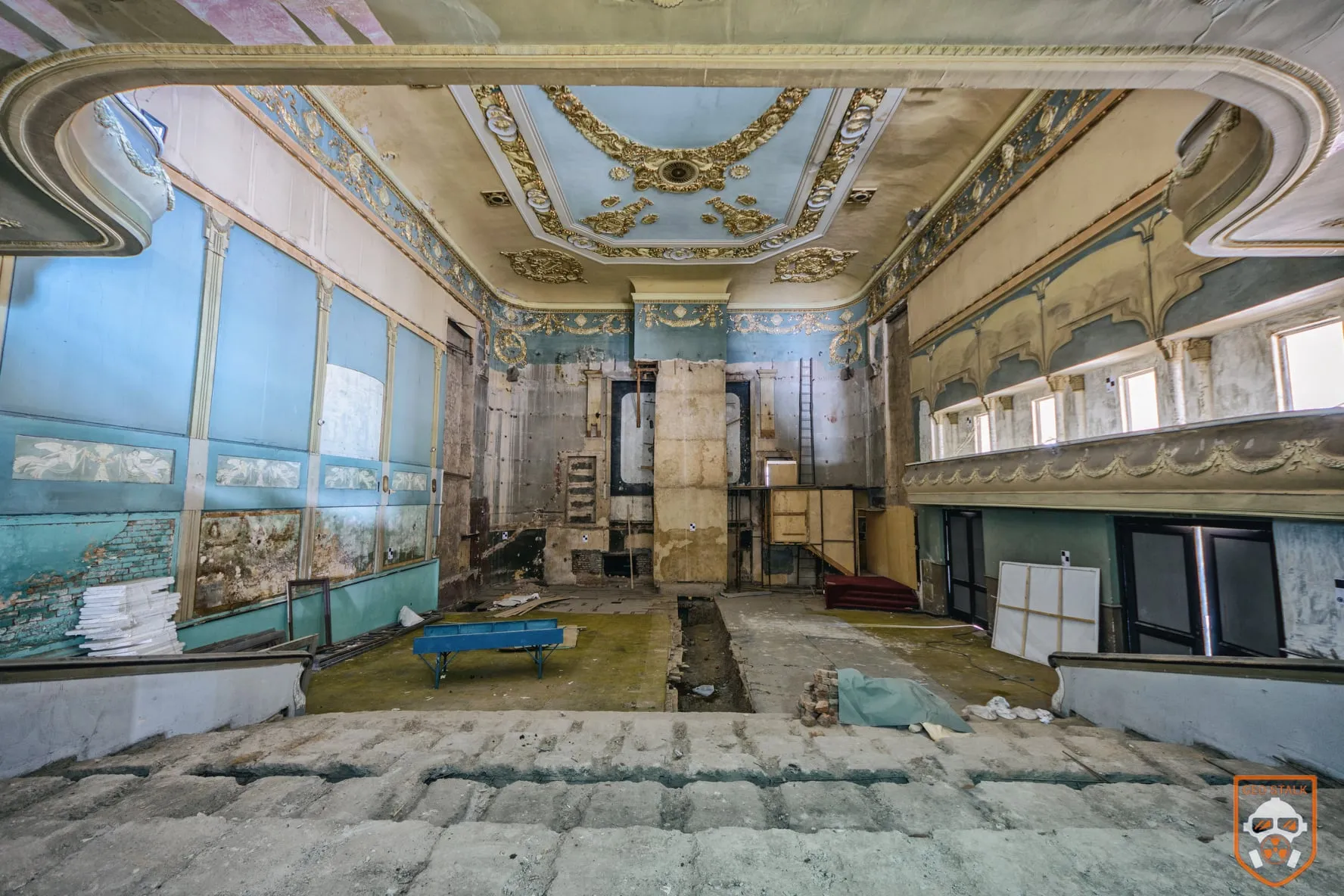
Cinema Apollo, in the heart of Tbilisi, is one of the city’s oldest surviving movie theater building and a quiet reminder of Georgia’s early cinema culture. Built in the early 20th century, it once hosted glamorous premieres and brought the newest films to Tbilisi’s growing urban crowd. Its façade and interior still carry touches of that era – arched details, vintage proportions and a sense of classic charm – beautiful example of Tbilisi’s Art Nevuo architecture.
Though it no longer operates as a cinema, Apollo remains a recognizable landmark on Aghmashenebeli avenue. The building often appears in discussions about preserving Tbilisi’s architectural heritage, standing as a reminder of how lively and elegant the city’s cultural scene once was. In Soviet times, cinema was called “October” but in 90ies it regained its old name – Apollo. It’s beautiful decorations and spacious hall will take you to the fantasy of beautiful balls and celebrations. Unfortunately till now it stands untouched, abandoned and barely holding. More photos here
View on map




Tabidze street 18 Hallway
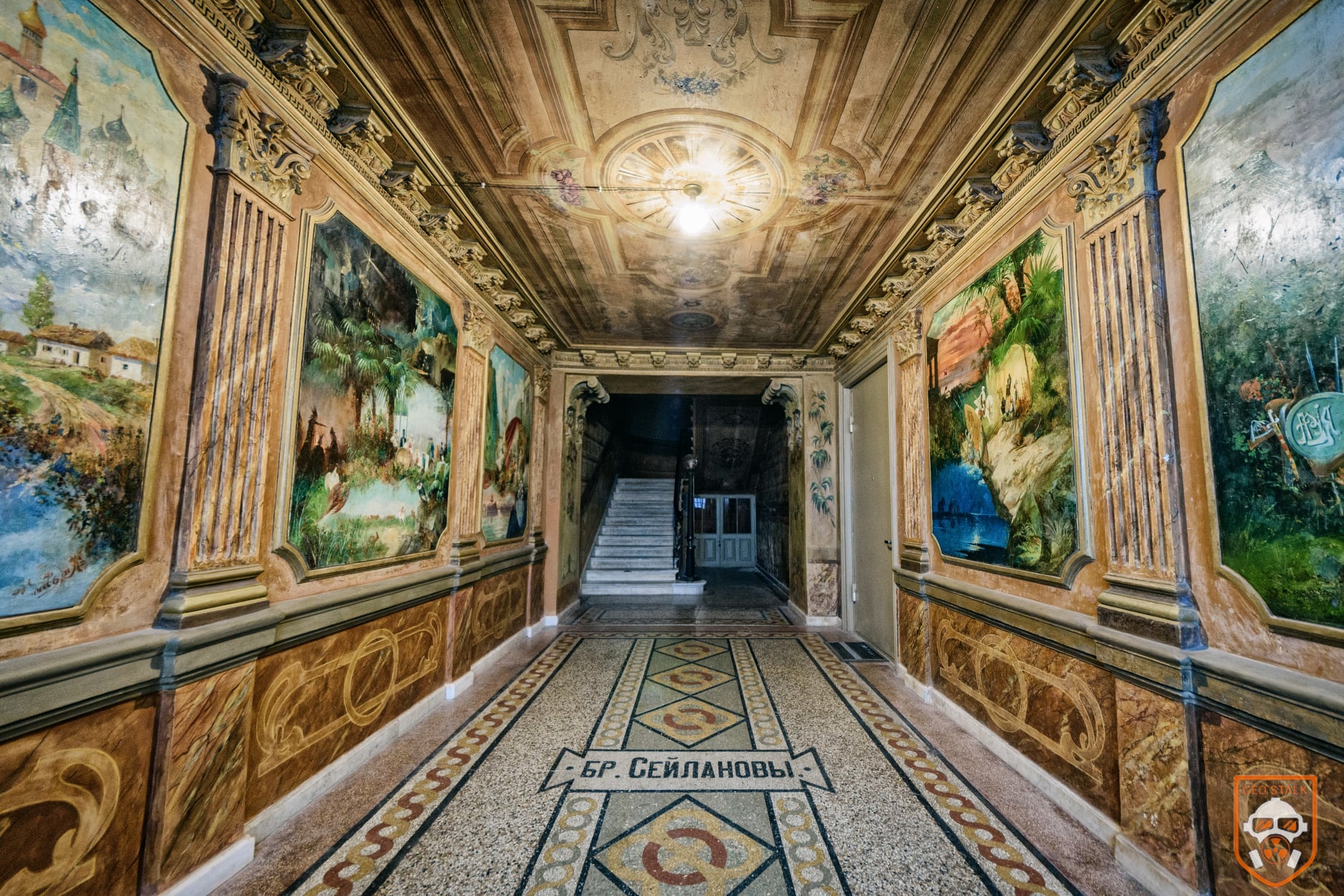
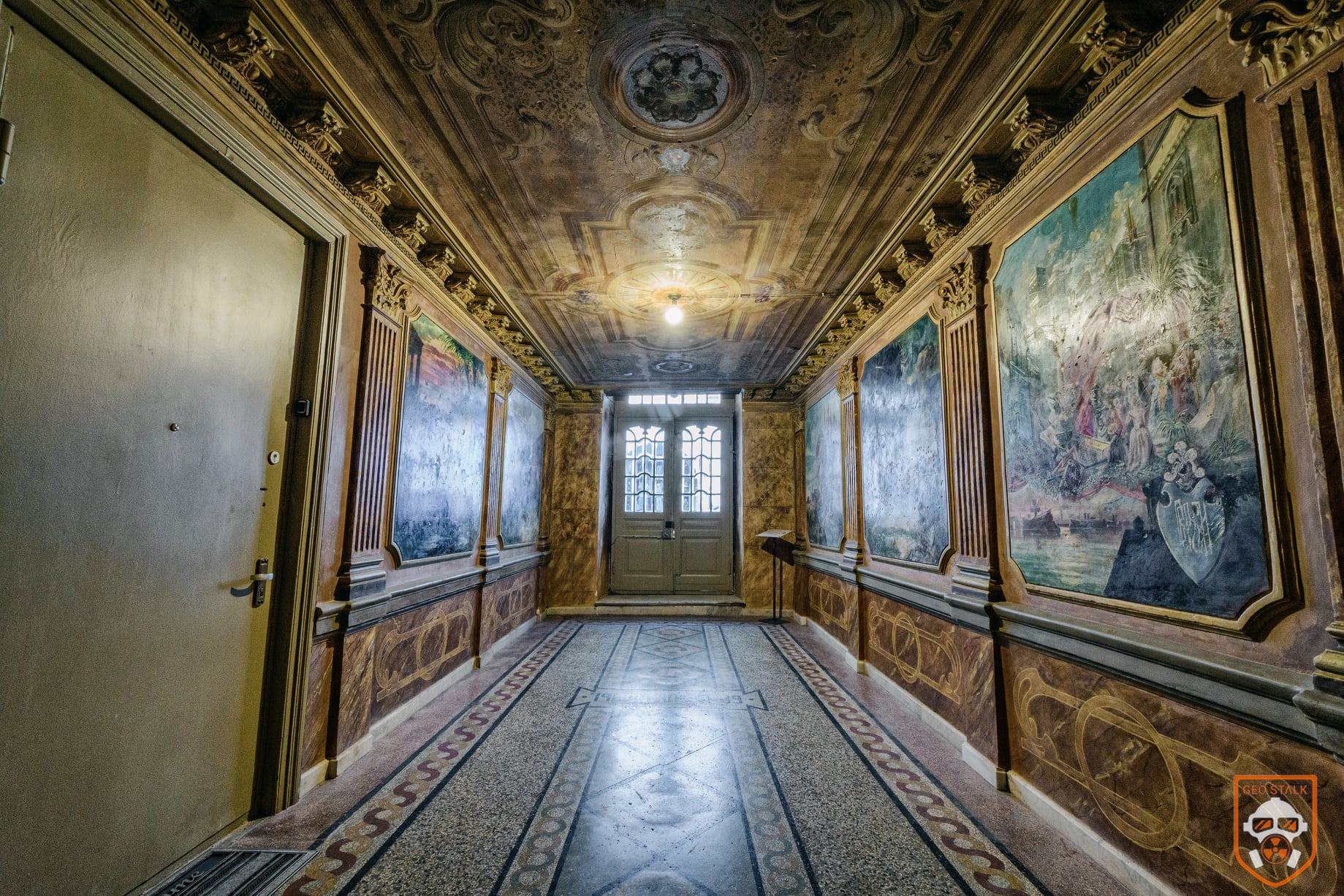
If you are fascinated by beautiful hallways and entrances, you may already know about the entrance of the house located at N18 Galaktion Tabidze Street in Tbilisi. The building (built around 1911) is listed among Tbilisi’s cultural heritage monuments. According to local guides, the entrance hall is richly decorated: in the early 20th century, the Seylanov brothers – prominent Armenian businessmen – owned the house, and they brought in the Italian artist Benno Telingater to paint the lobby. The hallway murals combine classical, baroque and romantic motifs – landscapes and ornamental designs – creating a truly elegant and artistic atmosphere. In recent years, as part of the “New Tiflis” restoration initiative, efforts have been made to preserve the hallway’s painted decorations while adapting the building for modern use (some parts now function as apartments).
So, the hallway of No. 18 on Galaktion Tabidze Street is not just an entryway – it’s a hidden piece of Tbilisi’s architectural and artistic heritage, blending history, art and residential life.


Tabidze street 24 Hallway
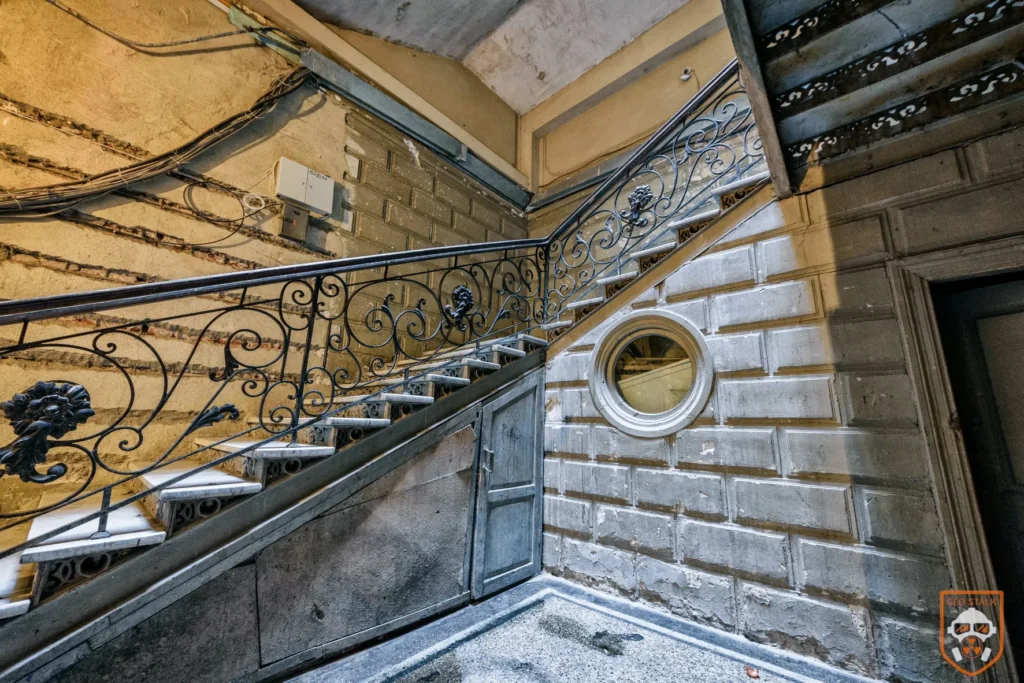
In the Sololaki district of Tbilisi, near the junction of Tabidze and Asatiani streets, stands a distinctive late-19th-century building once owned by an Armenian resident of the city. The architect remains unidentified, but the entrance is marked by an unusual and eye-catching lamppost.

Abandoned house at Rike park
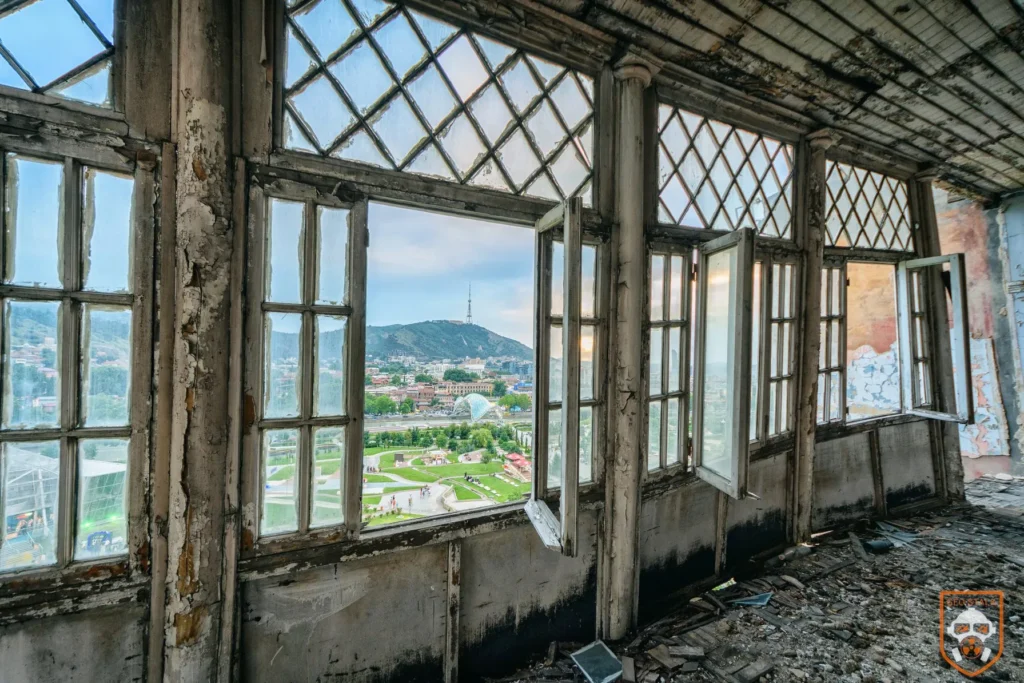
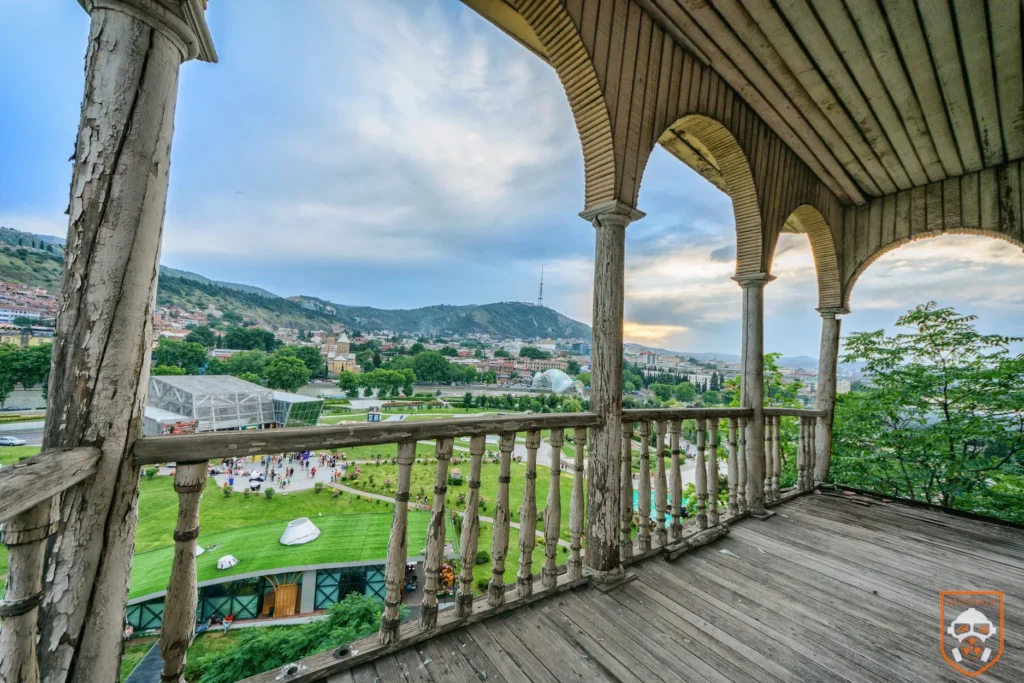
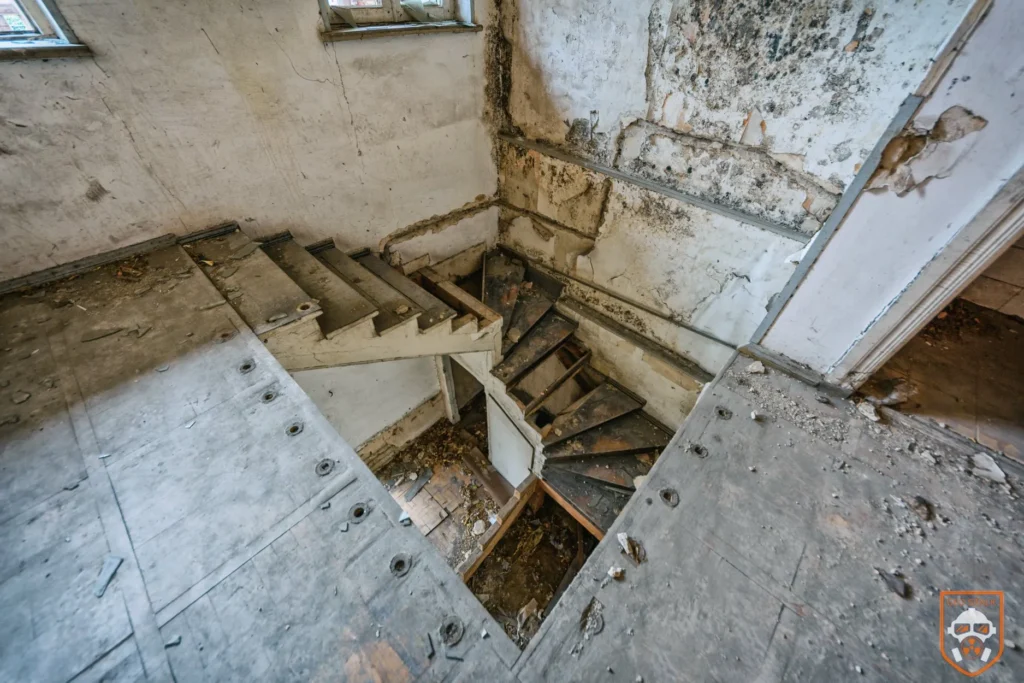
The four-story tall building resides in the Centre of Tbilisi. Back in the day the building was a restaurant and a hotel. On the bottom floor there was a swimming pool and a sauna. On the upper floors there is a balcony where you have a great view of the city. Today the building is in a state of disrepair and is fully abandoned.
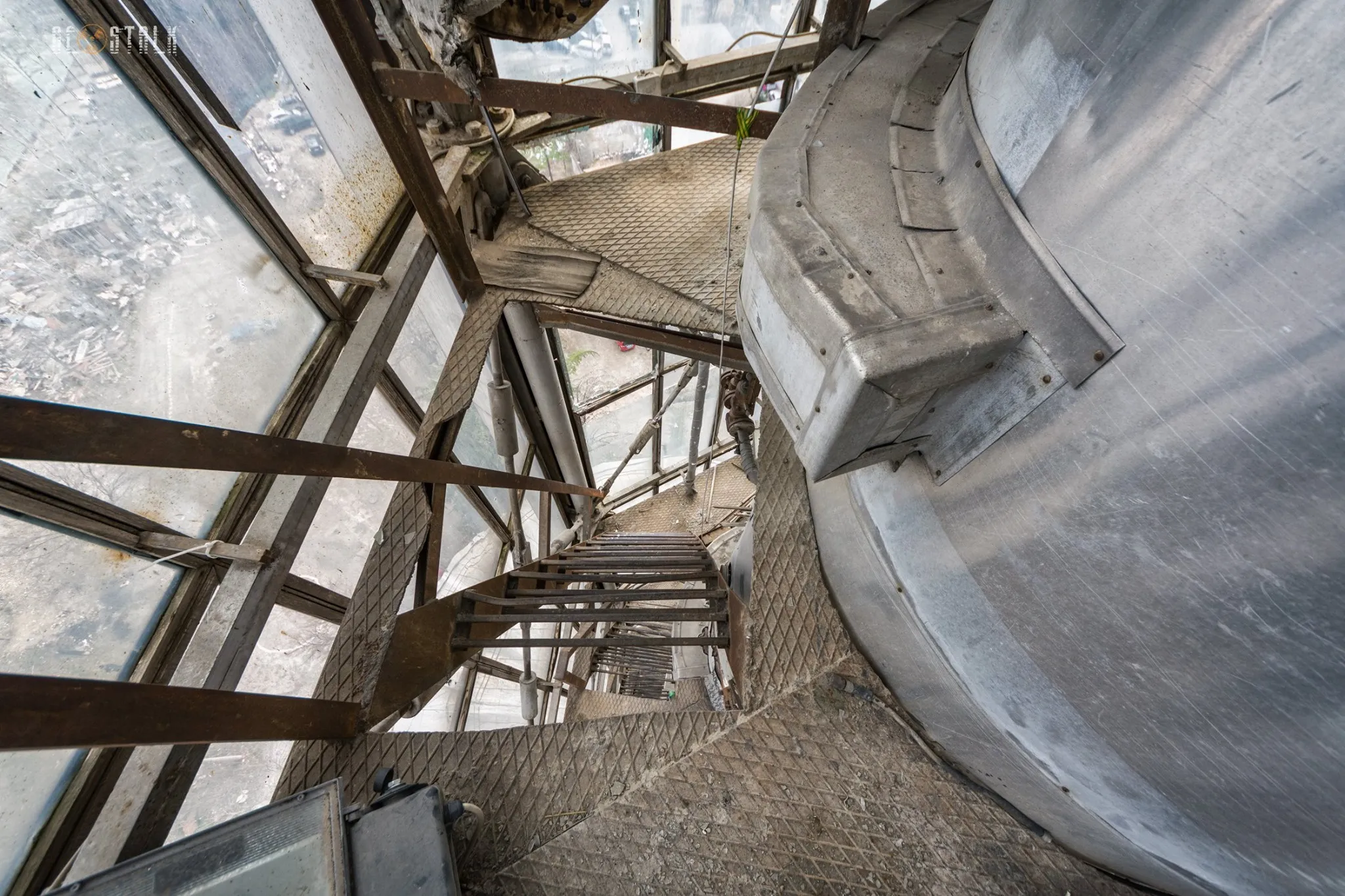
Thermobaric Camera of Geophysics Institute
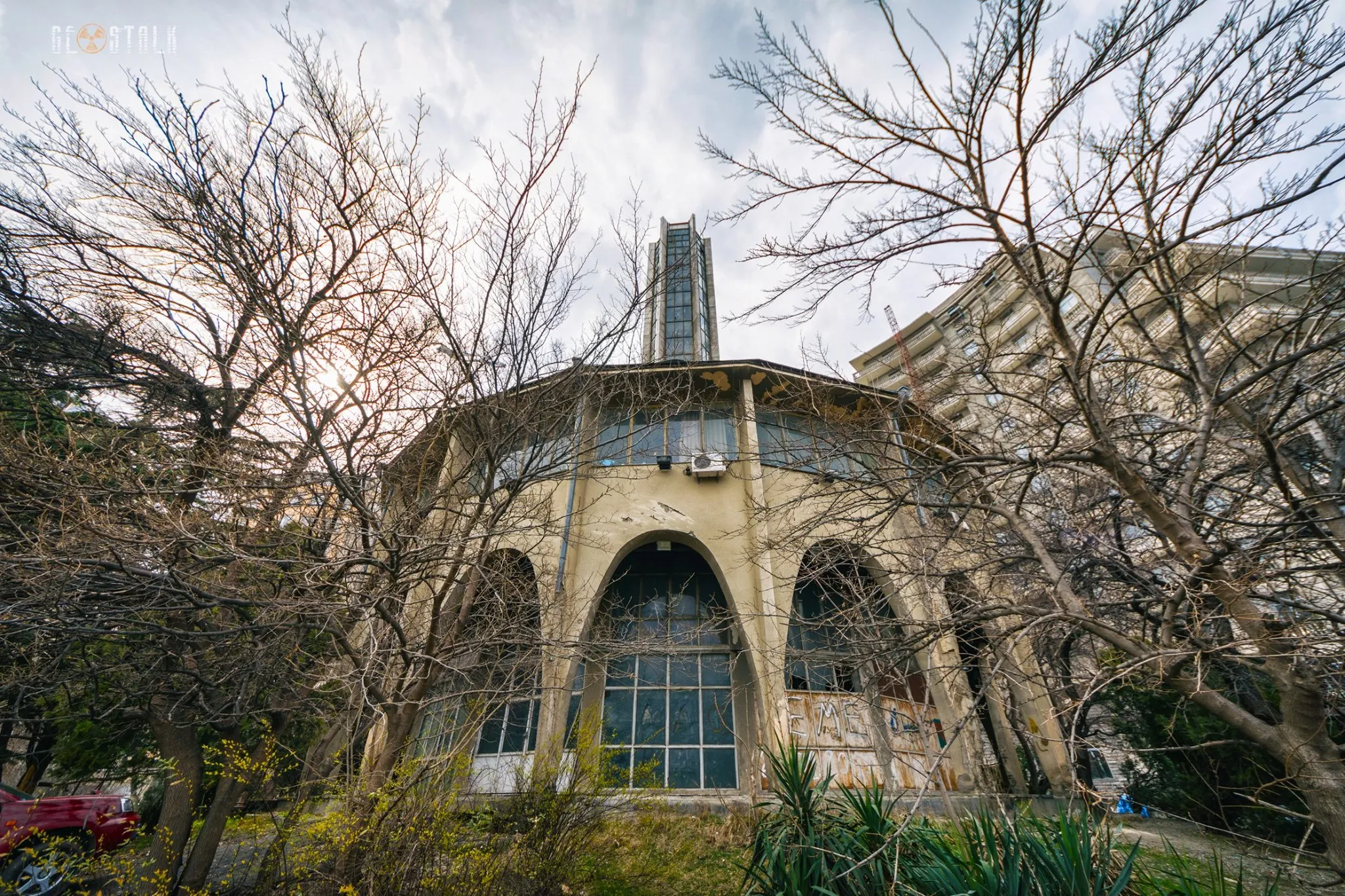
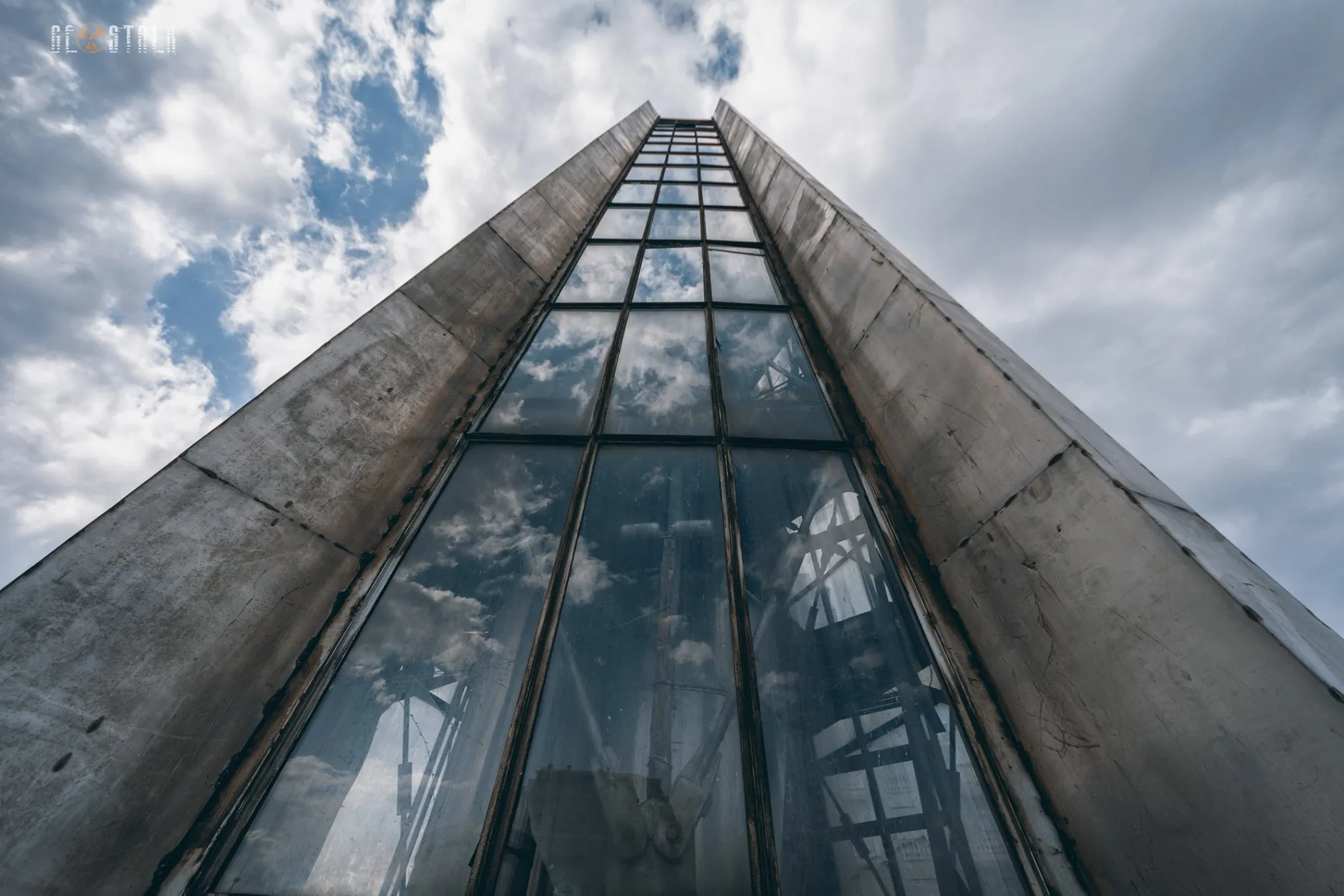
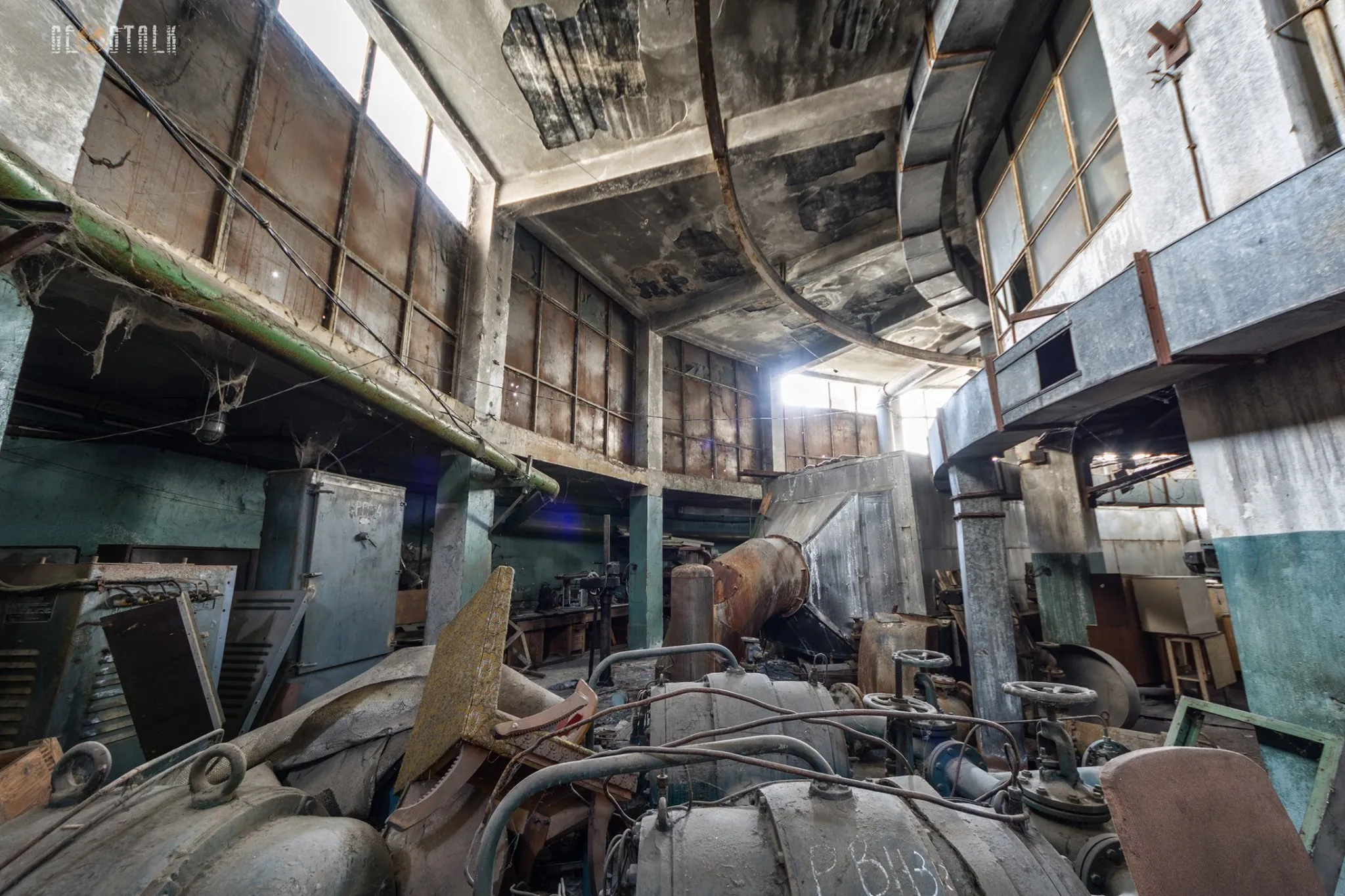
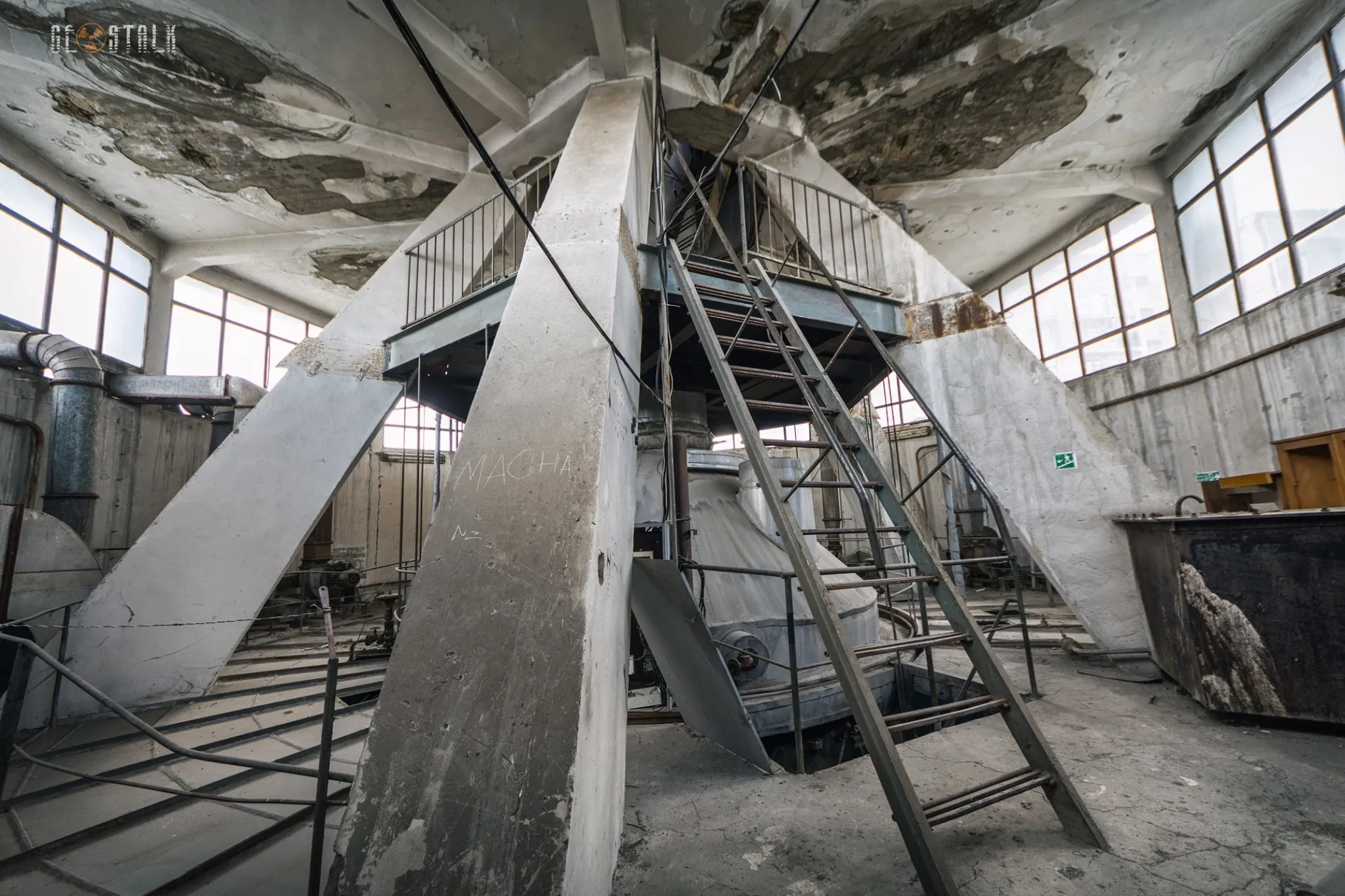
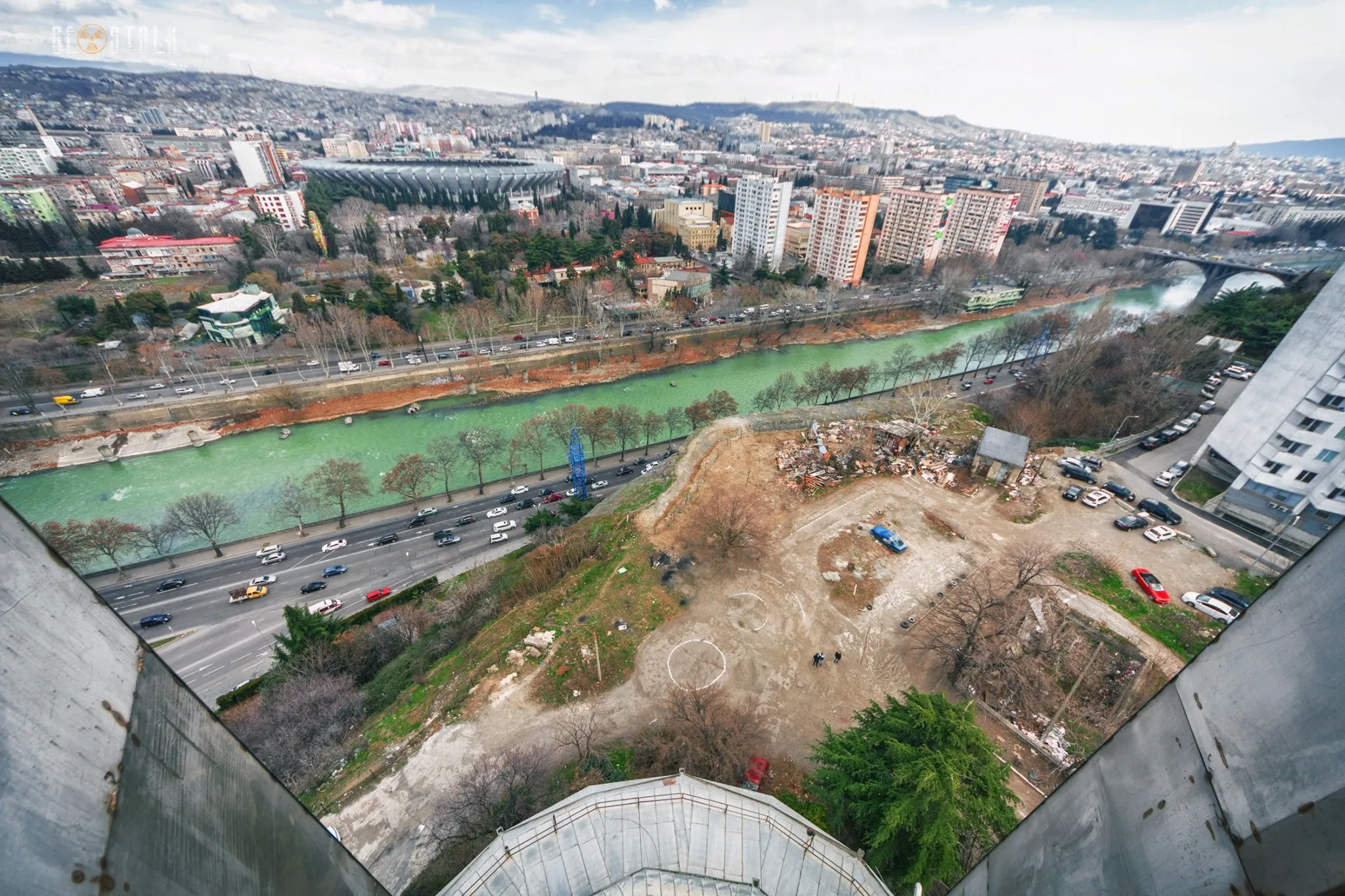
Georgia founded its first Geophysics Institute in 1933. Until then, the country had almost no research on seismic activity, and the growing need for this knowledge pushed the creation of the institute and secured strong state support. Its first director was N. Nikiforov, and from 1939 the role was taken over by Michael Nodia, whose work became fundamental for Georgian seismology.
In 1964, a new observatory dedicated to studying Earth’s movements was added to the institute. It includes a rare underground tunnel used for long-term monitoring of how the planet shifts and deforms. This observatory became a major research center within the Soviet republics. Around the same period, the institute received an experimental thermobarochamber – considered unique in the USSR at the time – used to study atmospheric processes. Today, the institute employs around 147 people. More photos here


Space Researches Center near Saguramo
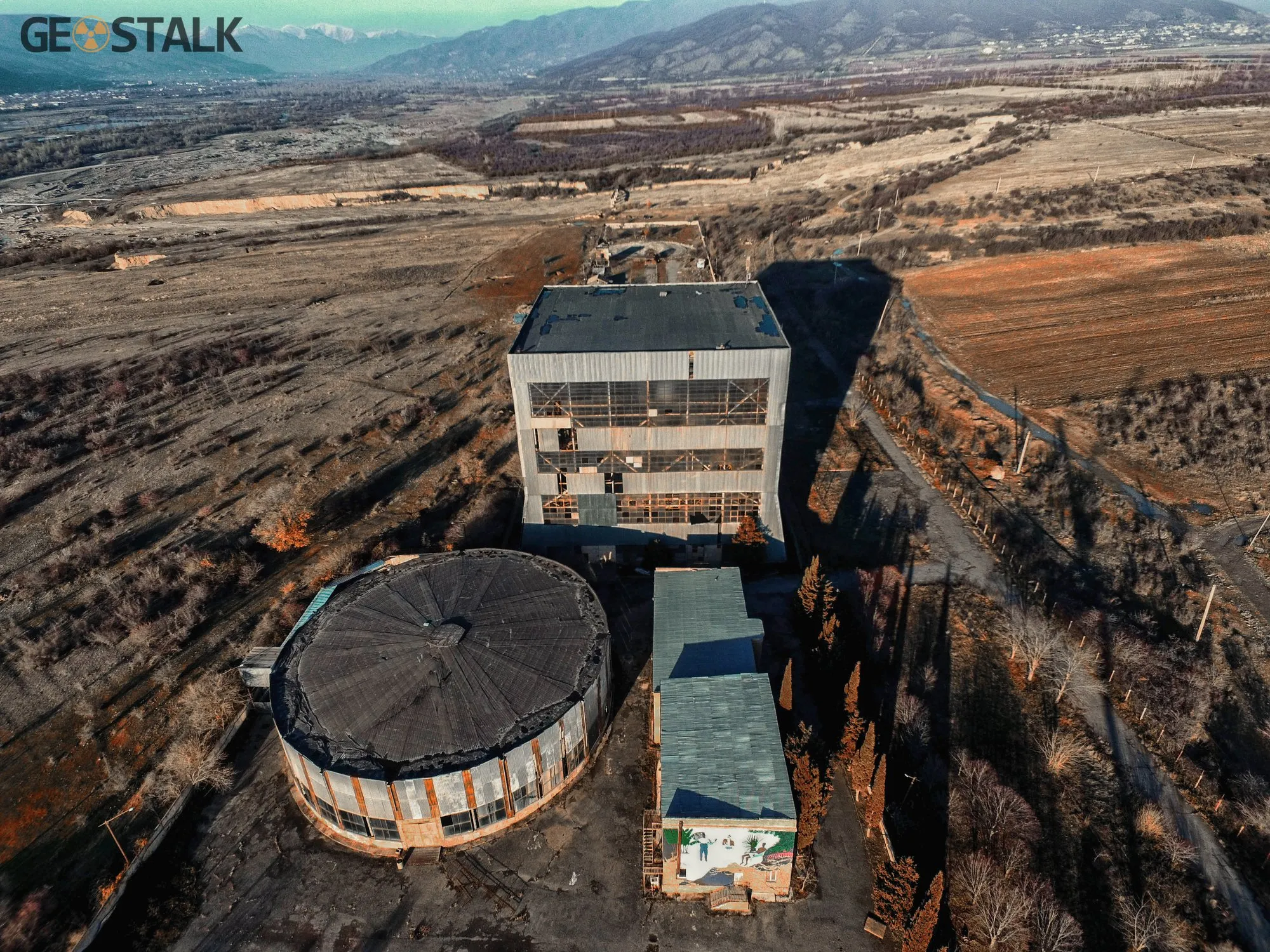
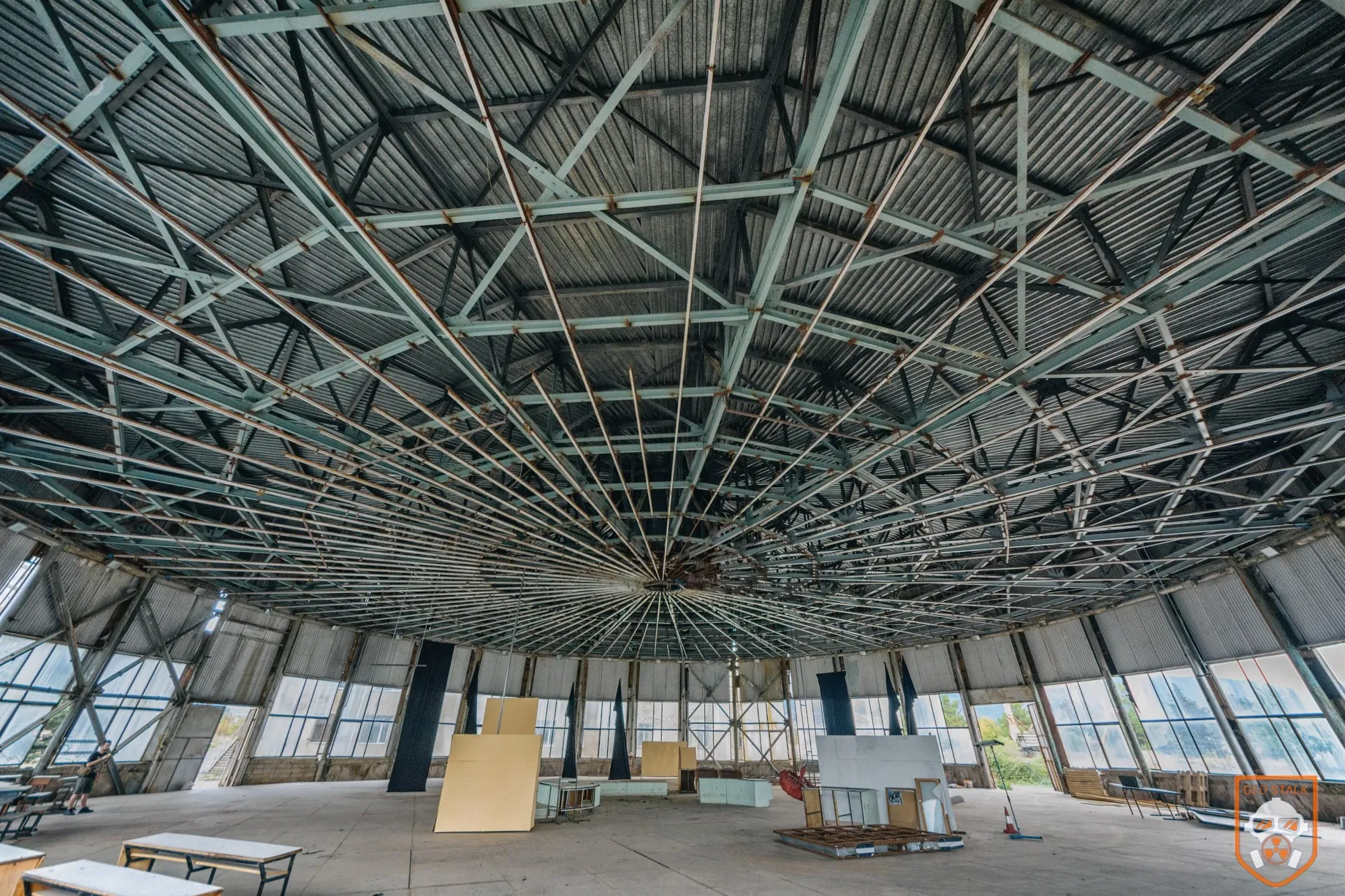
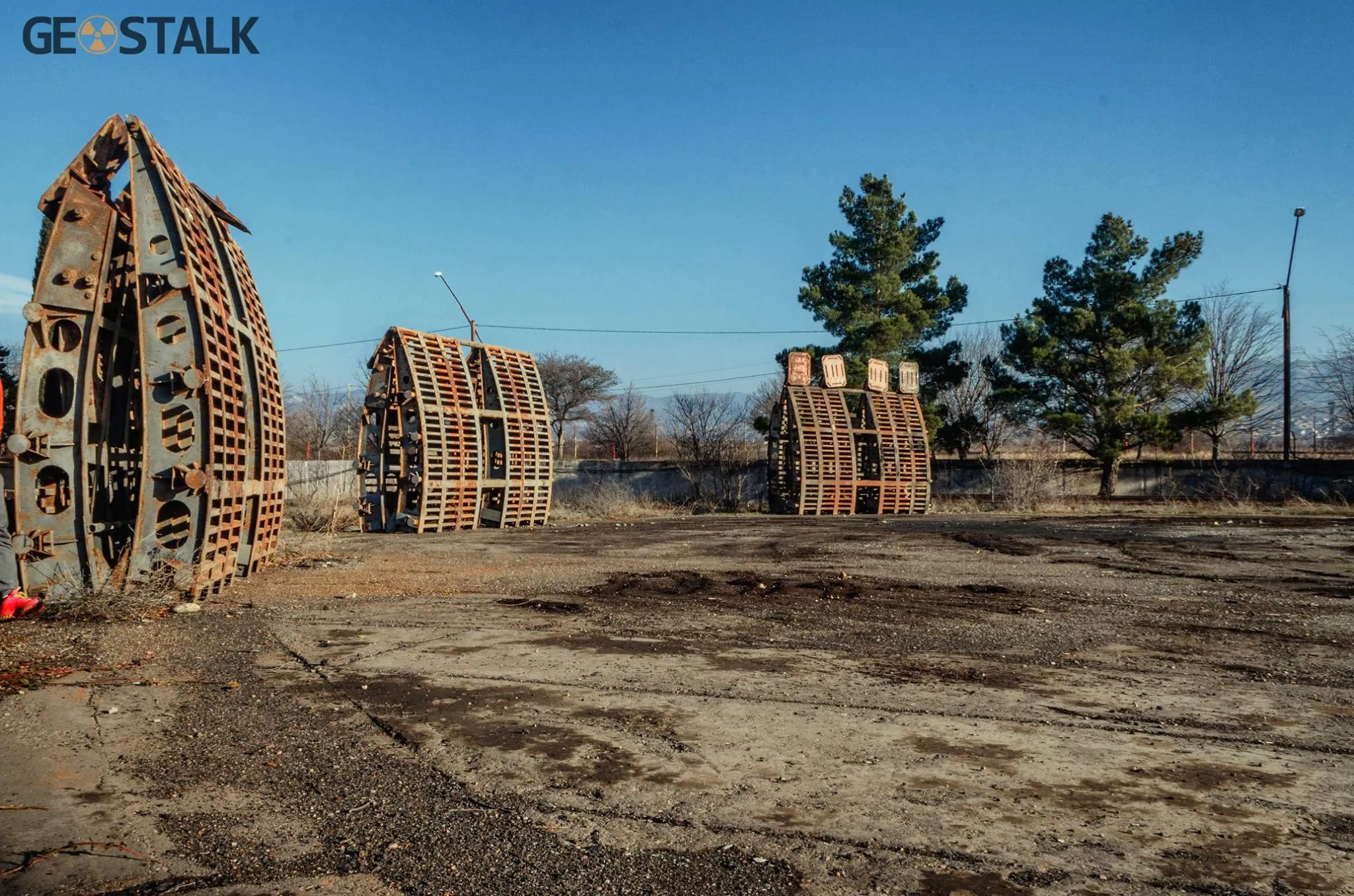
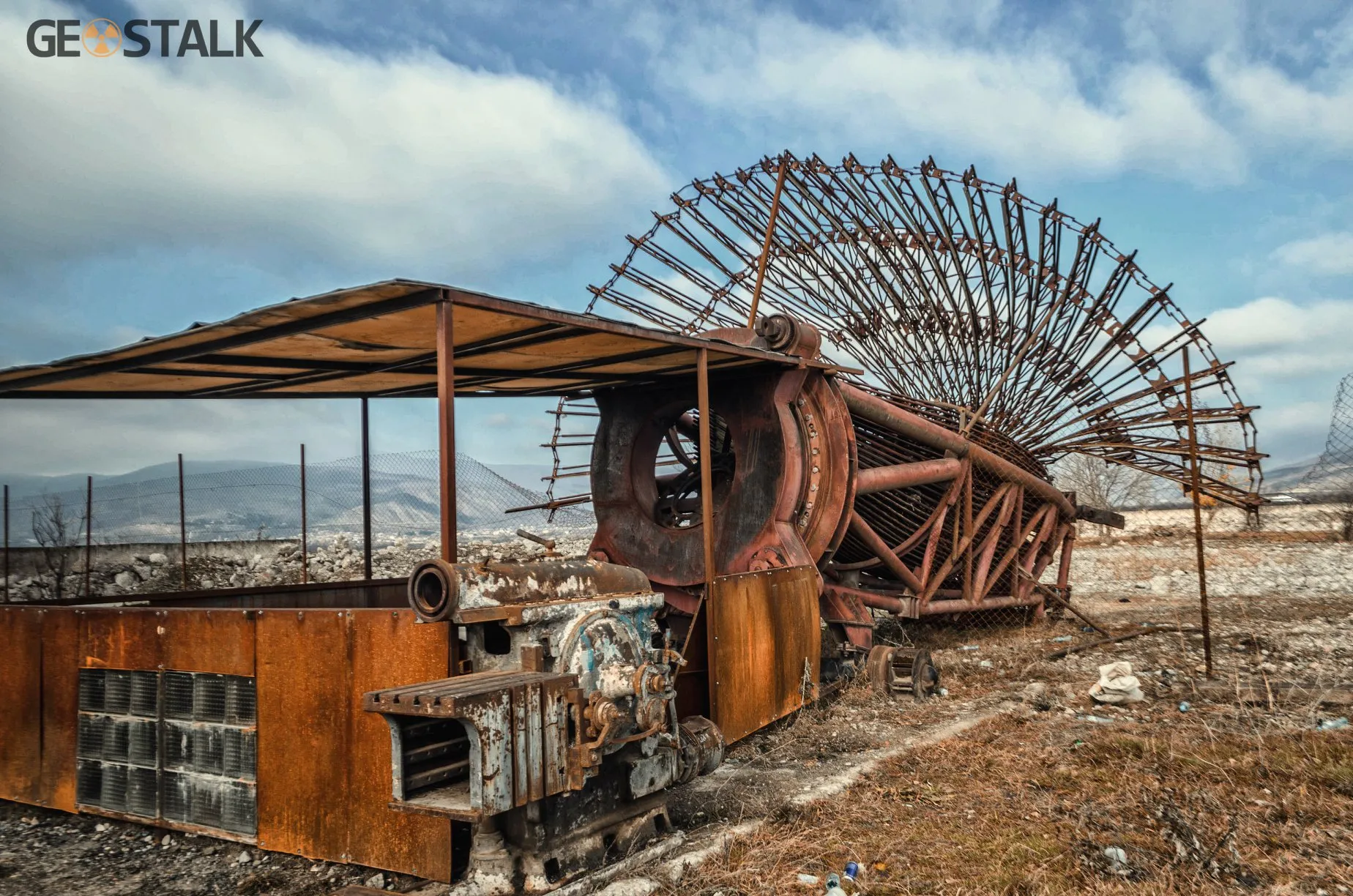
Georgia began working on space technology in the early 1980s as part of the Soviet “Cometa” scientific-industrial program. A large testing complex was later built in Saguramo, designed for full-scale experiments on different space structures. The territory includes several pavilions, the most striking being a multi-storey rectangular block and a massive circular hall about 40 meters wide. The site is surrounded by tall concrete walls and barbed wire.
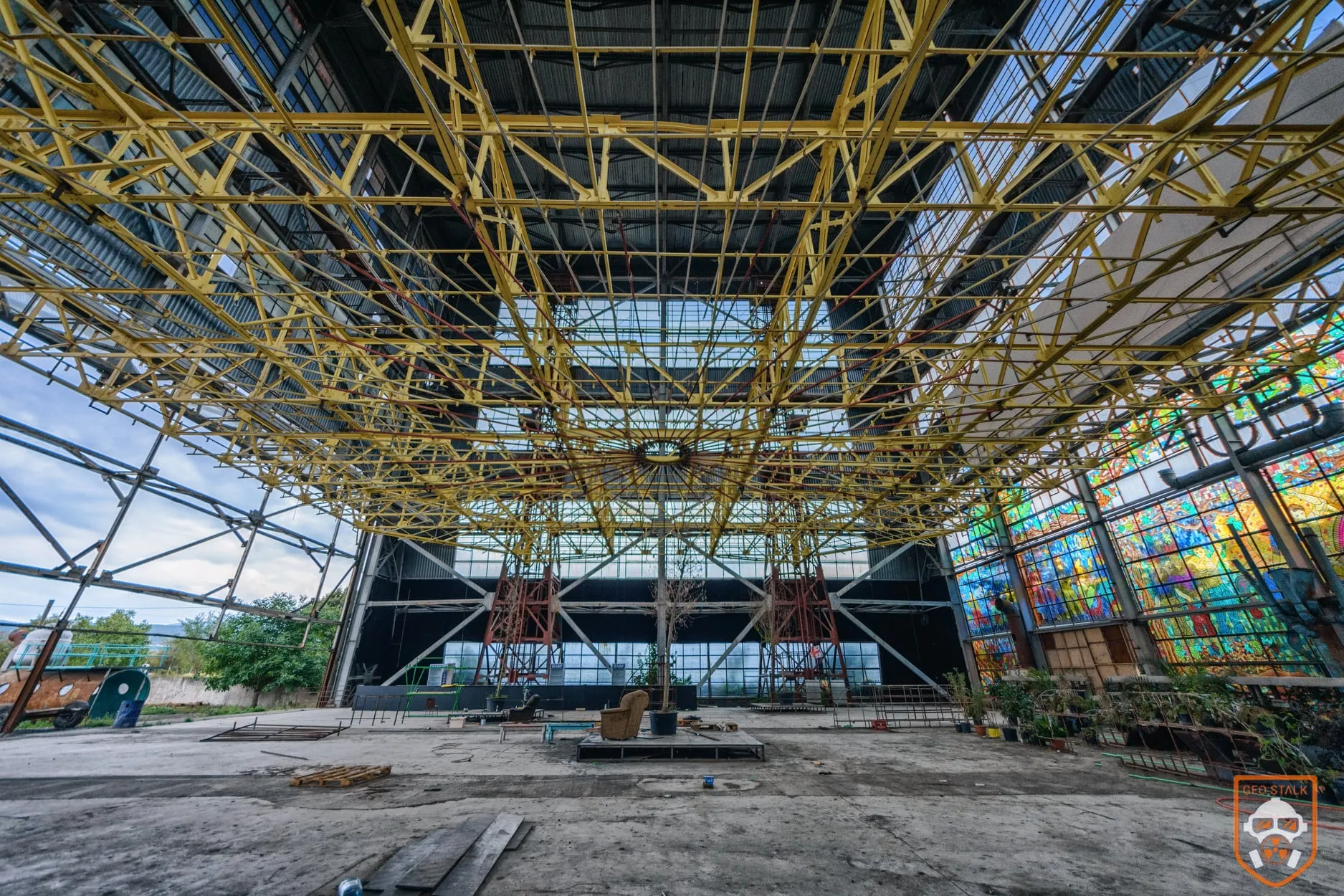
After the USSR collapsed, the center was one of the few industrial-scientific facilities that managed to survive into the 2000s. A notable achievement came in July 1999, when a 7-meter parabolic “Reflector” antenna made at the Tbilisi Aviation Factory was successfully tested at the Mir orbital station. The project was carried out by the Georgian-Russian company “Energia-GPI-Space” together with the Energia missile corporation. This success was celebrated as the launch of the first Georgian object into space. Later, the center tried to attract cooperation from American, European, and Russian space industries. Currently it has lost its function. In 2017-2022, the site even served as the venue for an electronic music festival 4GB, decorations for which are still remaining onsite.
View on map

Urban Climbing Monument
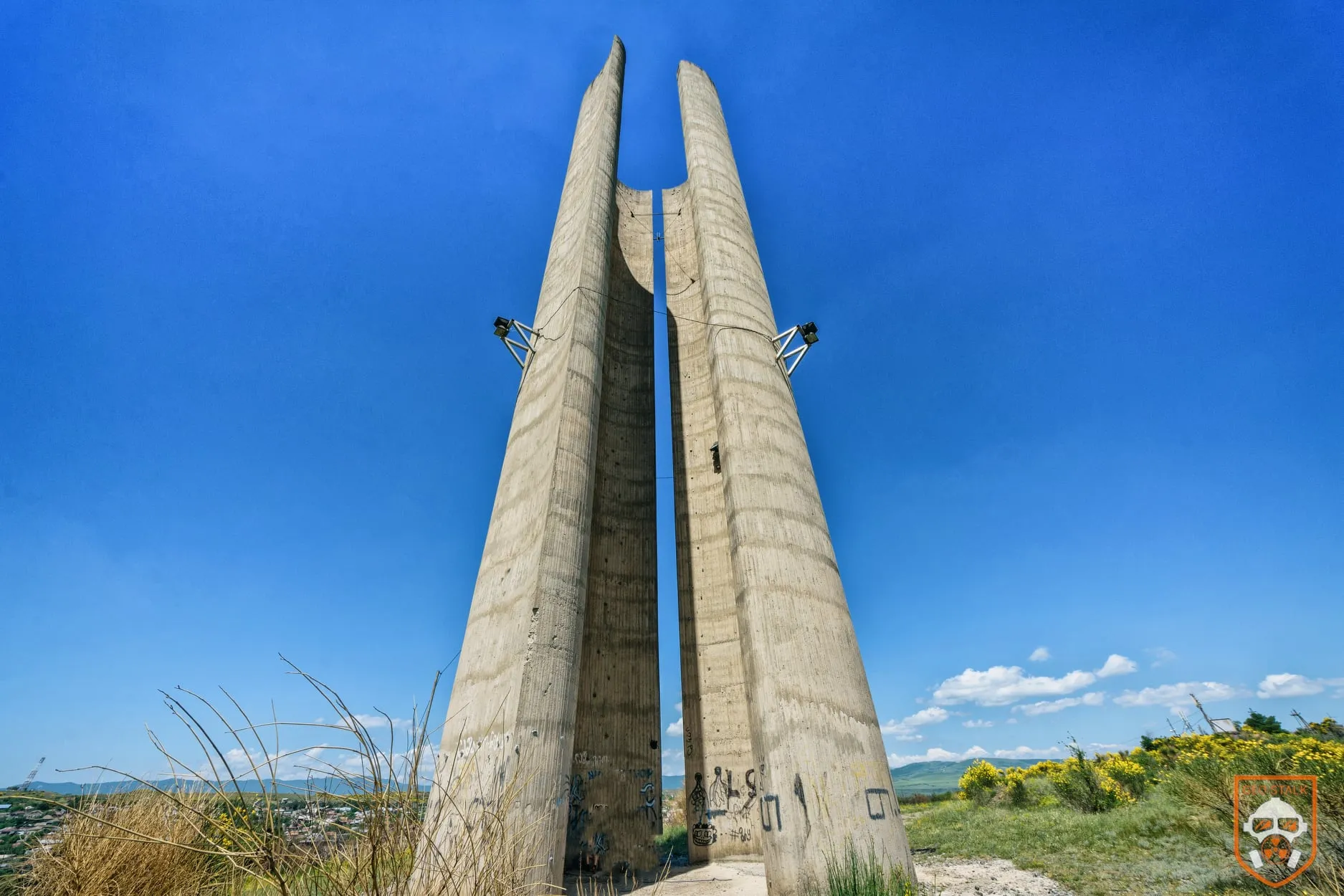
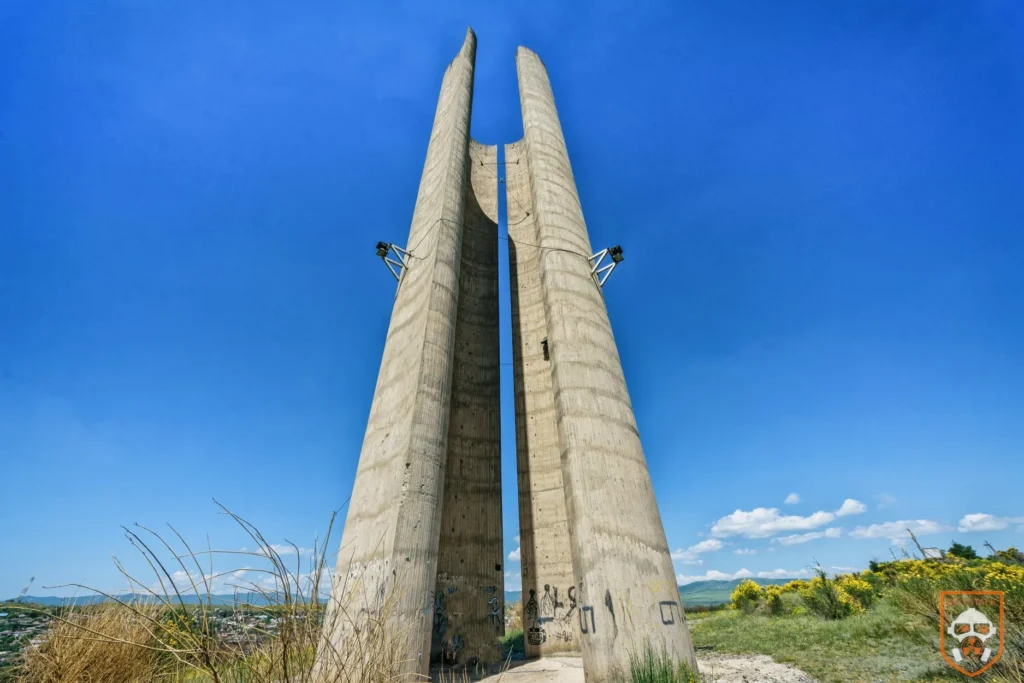
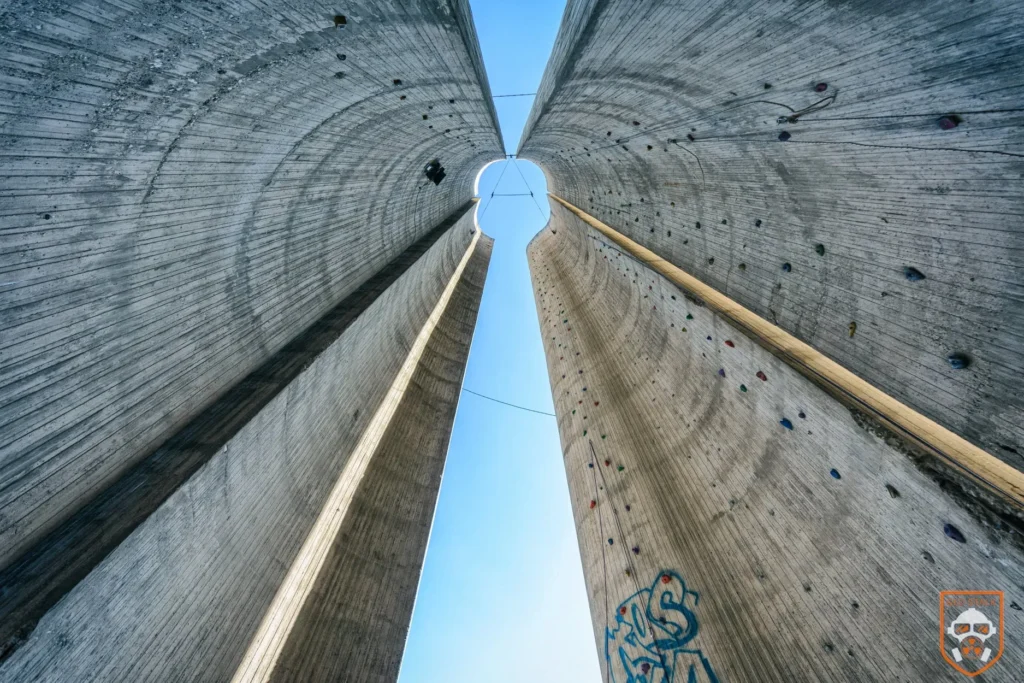
The tall concrete obelisk visible from many parts of Tbilisi was originally planned as part of a large Shota Rustaveli museum complex. Construction began in 1966 for Rustaveli’s 800-year anniversary. Architects Nodar Jobadze and Alexander Bakradze designed not only the obelisk but also a museum, amphitheater, and a new pantheon for writers and public figures. A symbolic tomb for Rustaveli was meant to stand inside the 40-meter-high structure.
The project was never finished – funding dried up before construction could be completed, and the site was abandoned for decades. Recently, the obelisk found a new use as an outdoor climbing wall, open to anyone who wants to practice climbing. More photos here

Geronti Kikodze Str. 9 Hallway
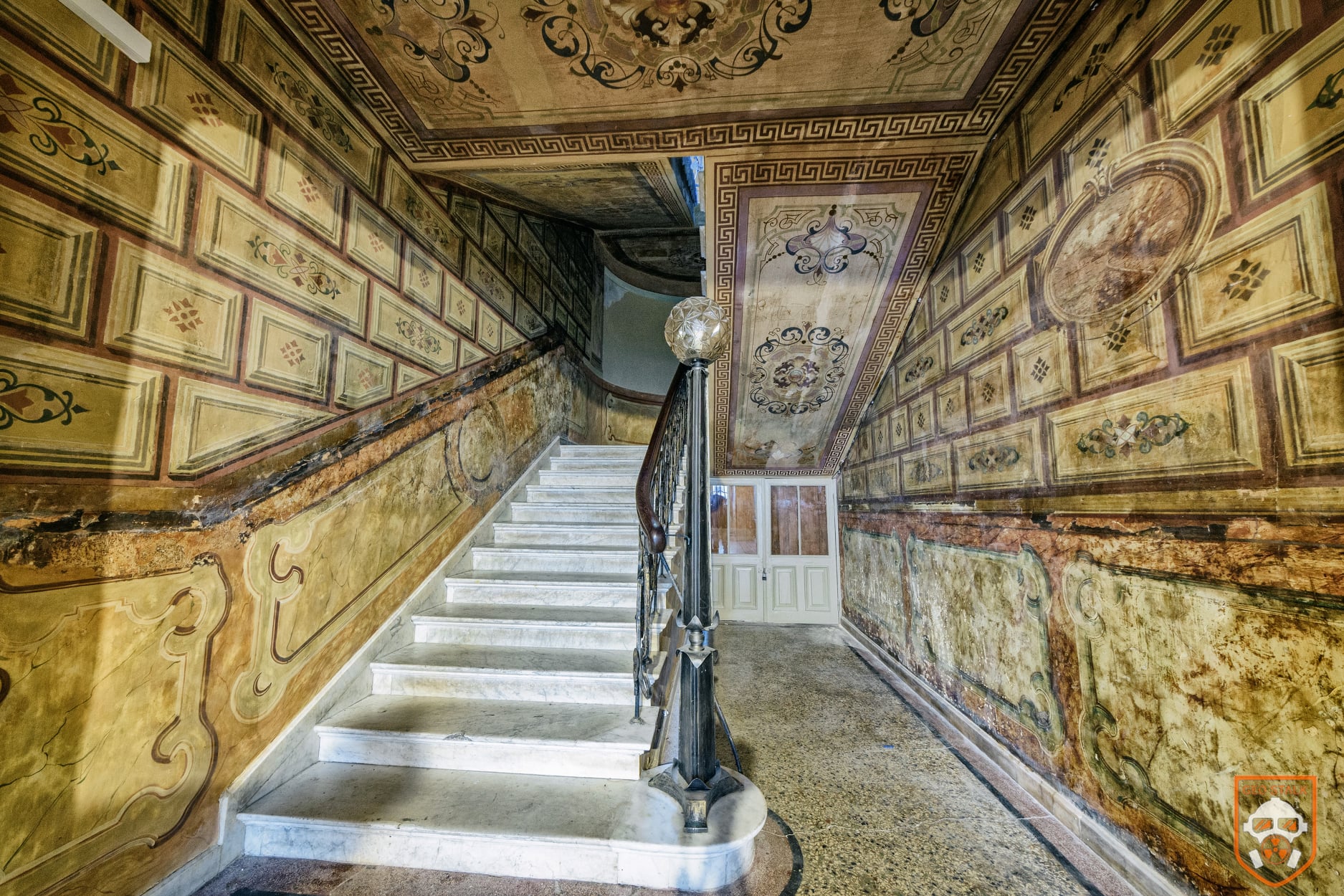
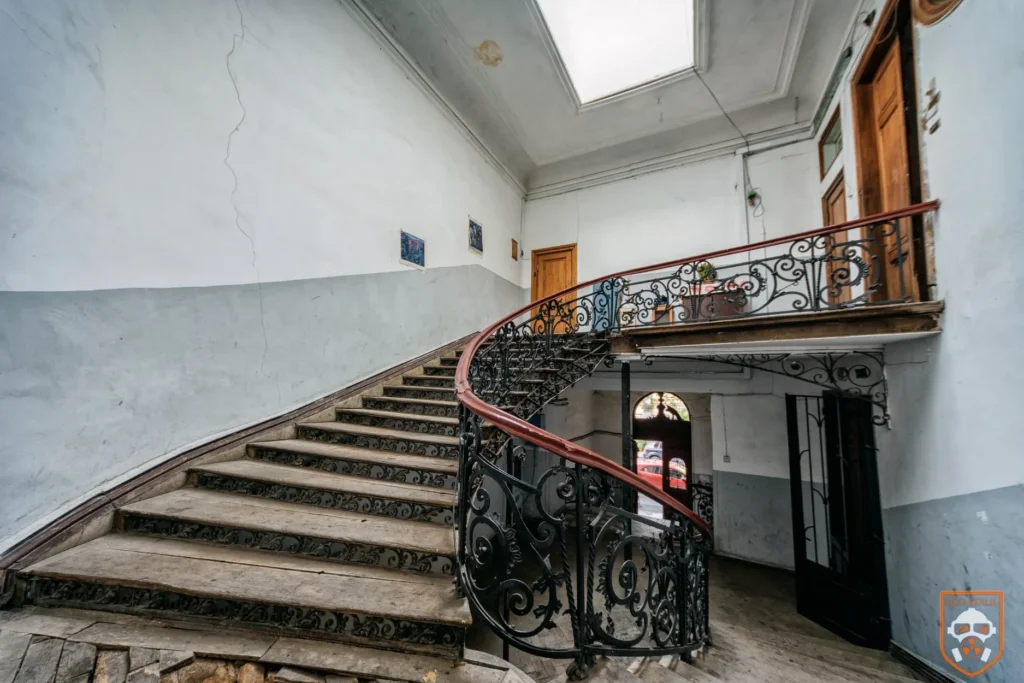
On the former Paskevich Street is a two-storey house from the 1880s. After Georgia regained independence in the 1990s, the building served as the Estonian Embassy. Its style follows Baroque eclecticism, and the interior features a beautifully designed staircase and a vestibule ceiling decorated with stylized floral motifs.
View on map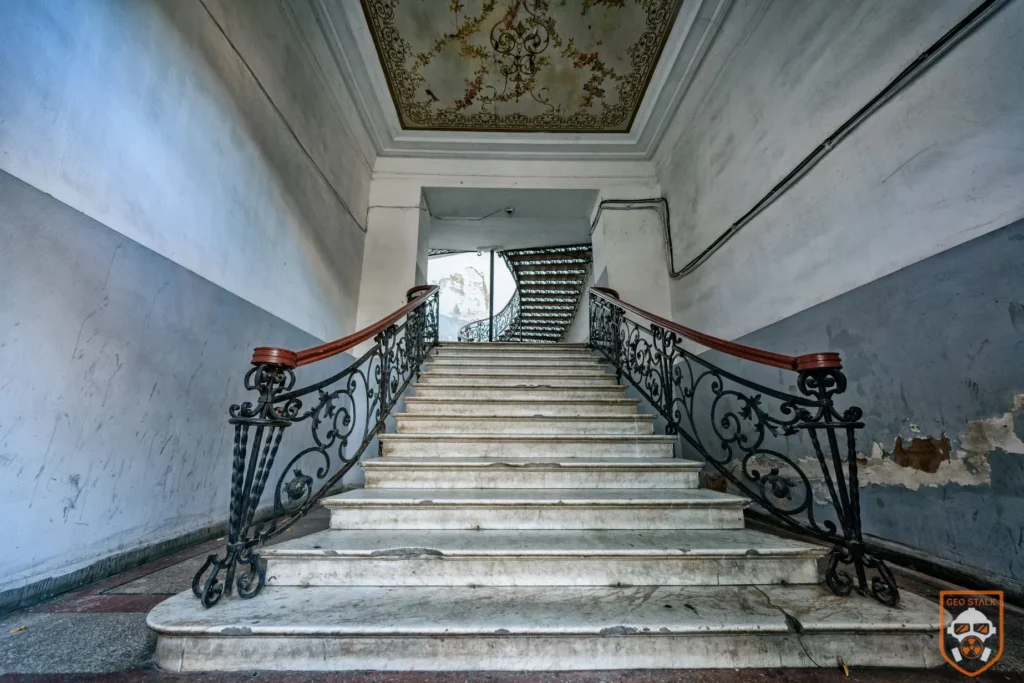


Hotel London
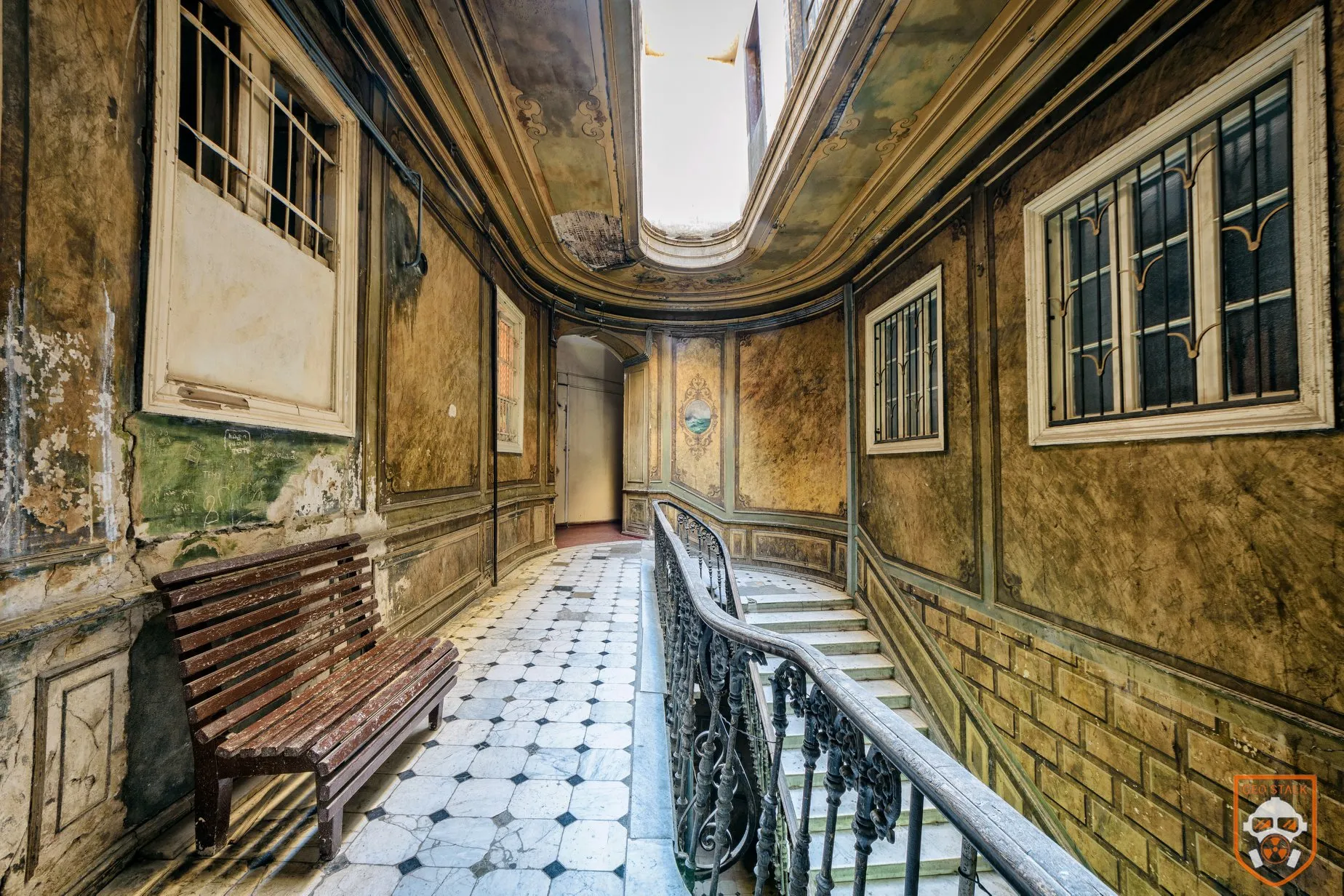
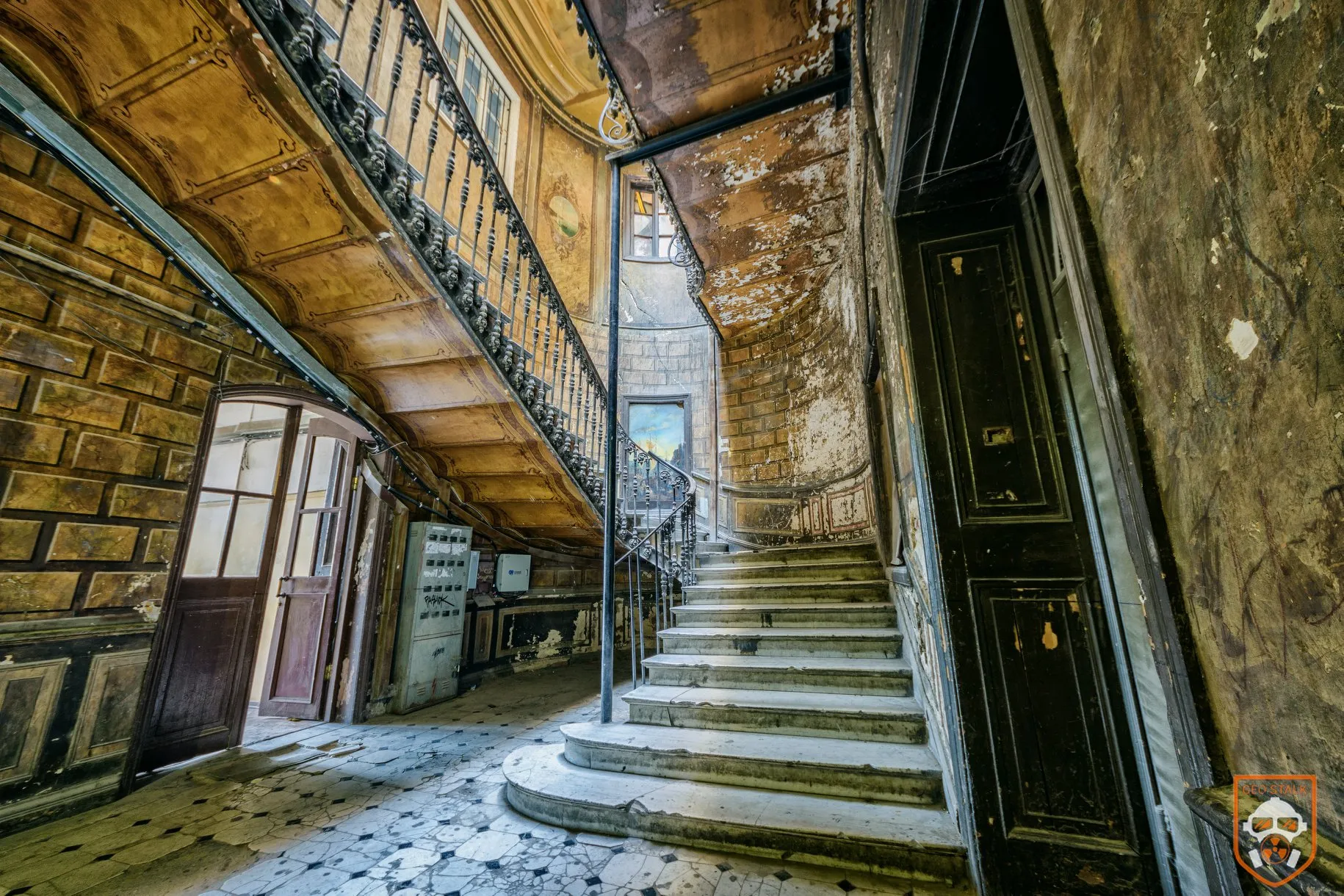
Hotel London opened in 1875 at 21 Madatovi Street (currently 31 Atoneli St). The property first belonged to Alexander Zubalashvili and later passed to his brother Constantine and then to Constantine’s son Peter. The hotel was relatively small – 28 rooms in 1896 – and the nightly rate ranged from 1 to 10 rubles. Two rooms were added in 1914. The hotel’s peak years were the 1880s–90s, when wealthy travelers and high-ranking guests from Russia and Europe stayed there. Among its well-known visitors were composer Pyotr Tchaikovsky (1888), George Curzon (1892), and writer Knut Hamsun (1892).
Traveler Grigor Moskvich described it in 1915 as one of the best hotels in Georgia, though by then it had already closed. During World War I, the building was converted into a hospital for wounded soldiers and donated 20,000 rubles to support the effort.
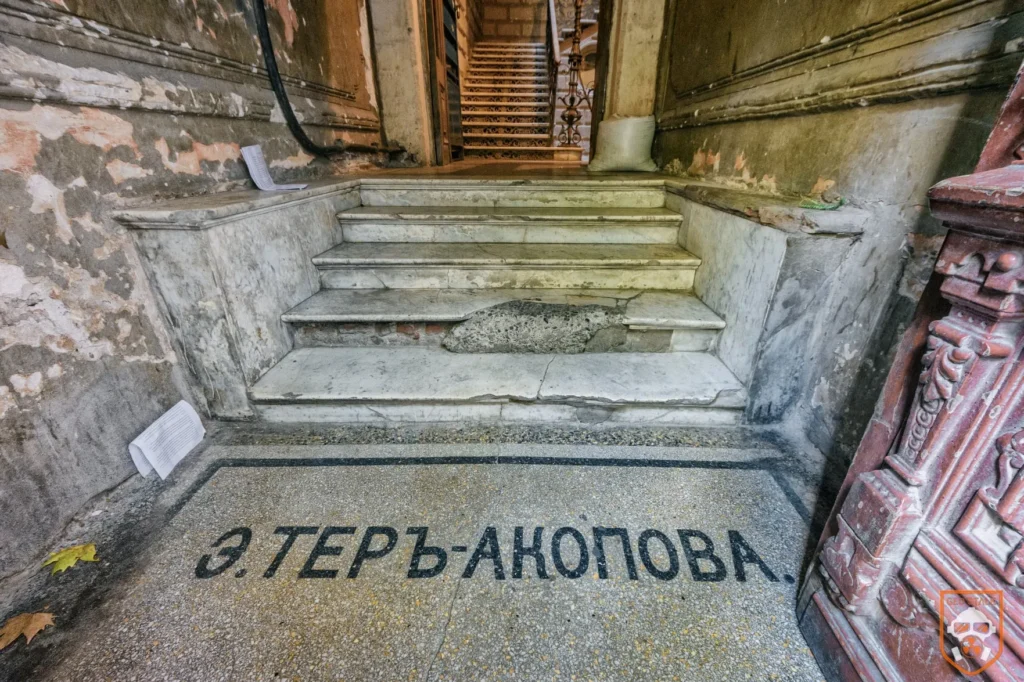
After the war, the hotel never reopened. Under Soviet rule, the building was turned into a peasant committee office in 1925, then a police station in 1950, and later into apartments in the 1960s. Today, its ornate entrance hall has become famous among visitors and photographers, and it’s common to see people waiting in line to take pictures inside.
View on map


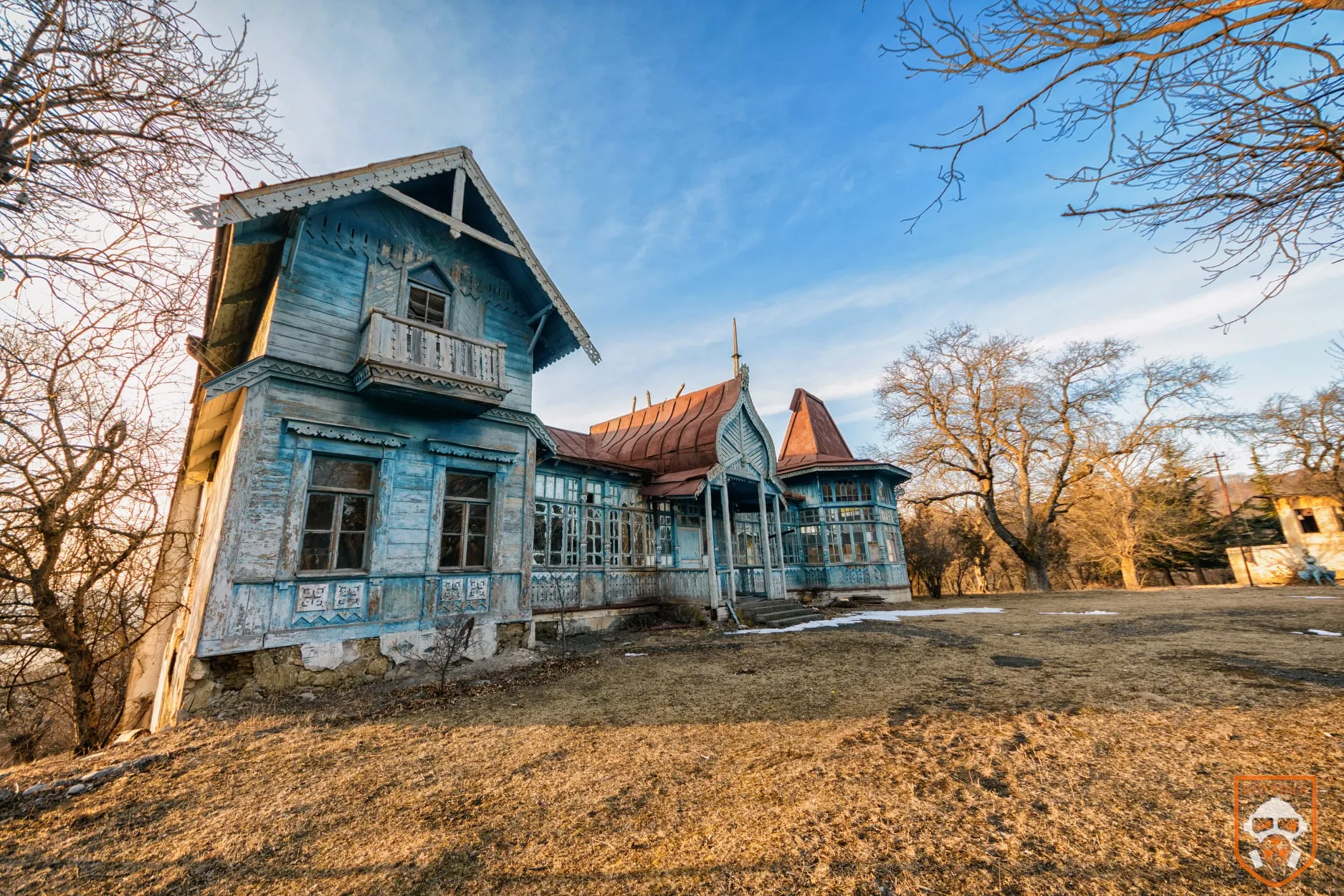
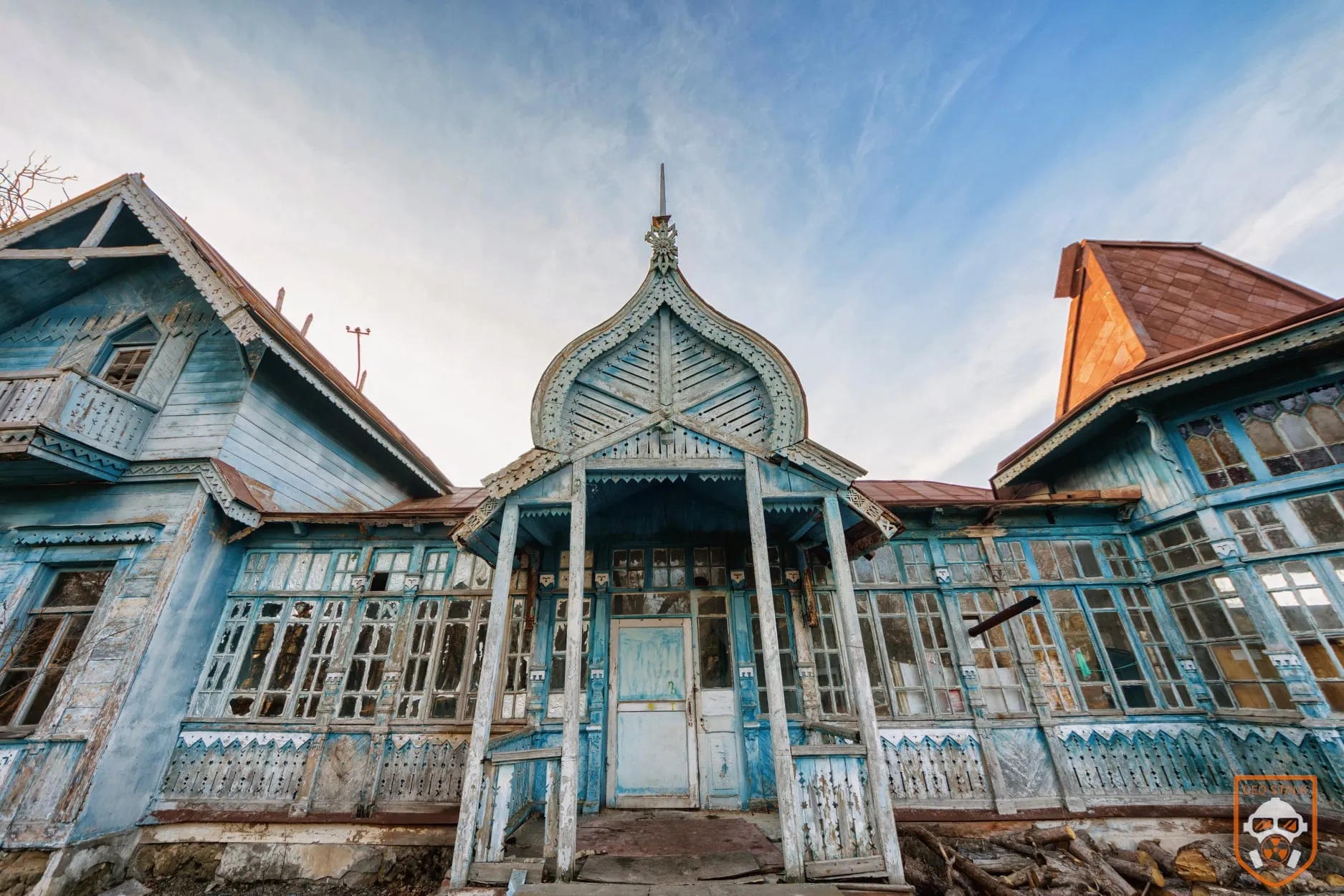
Lavrenti Beria’s Cottage in Kojori
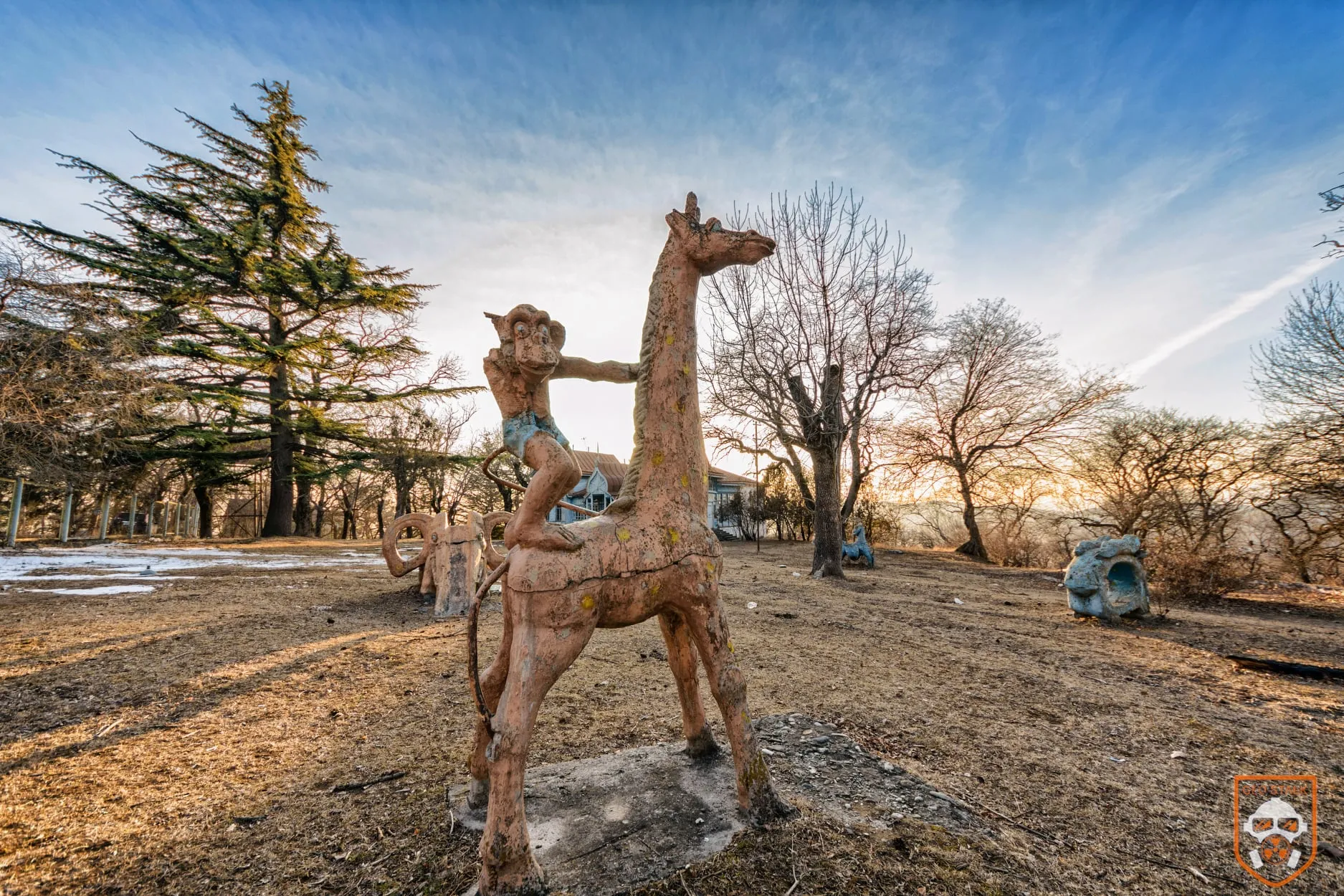
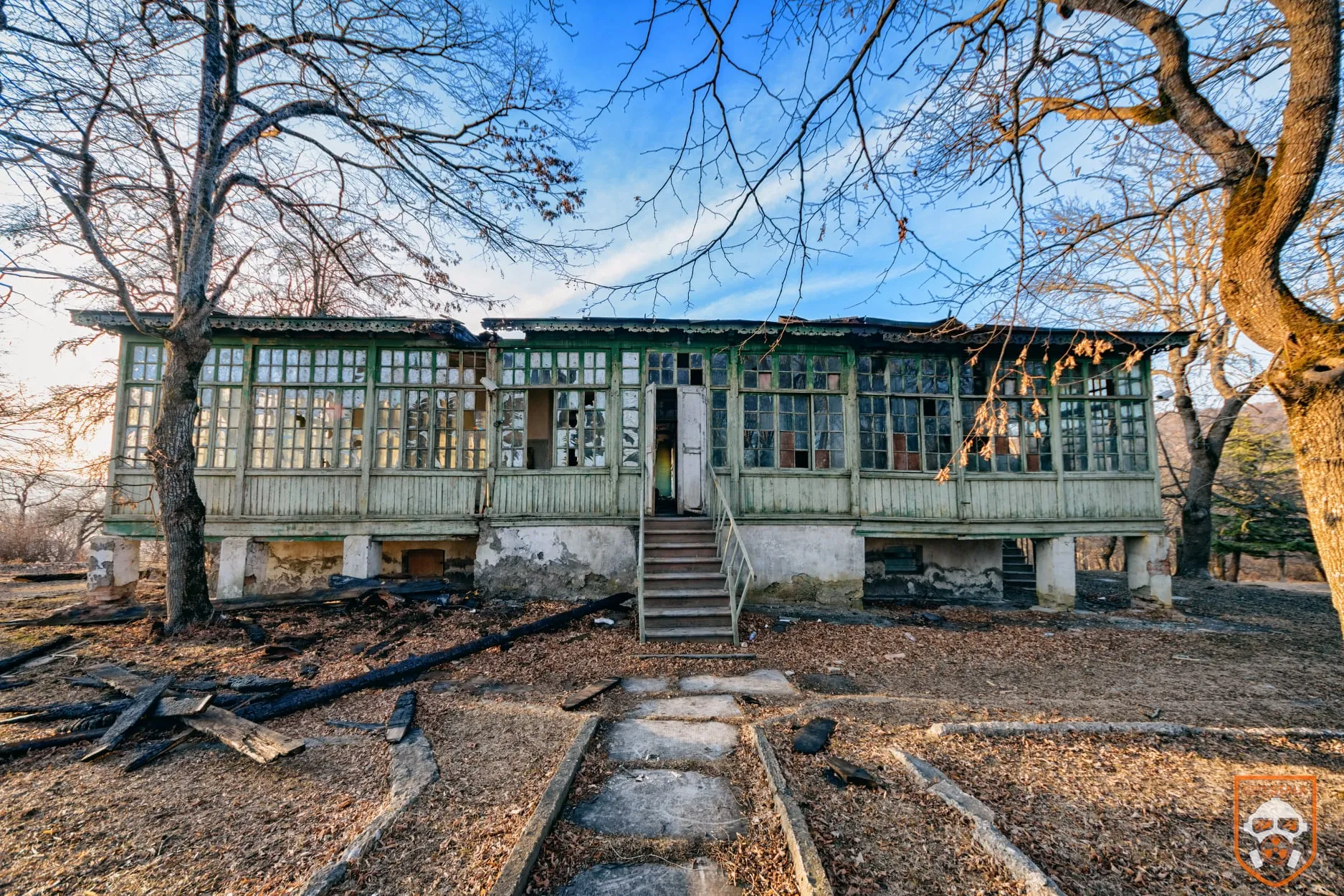
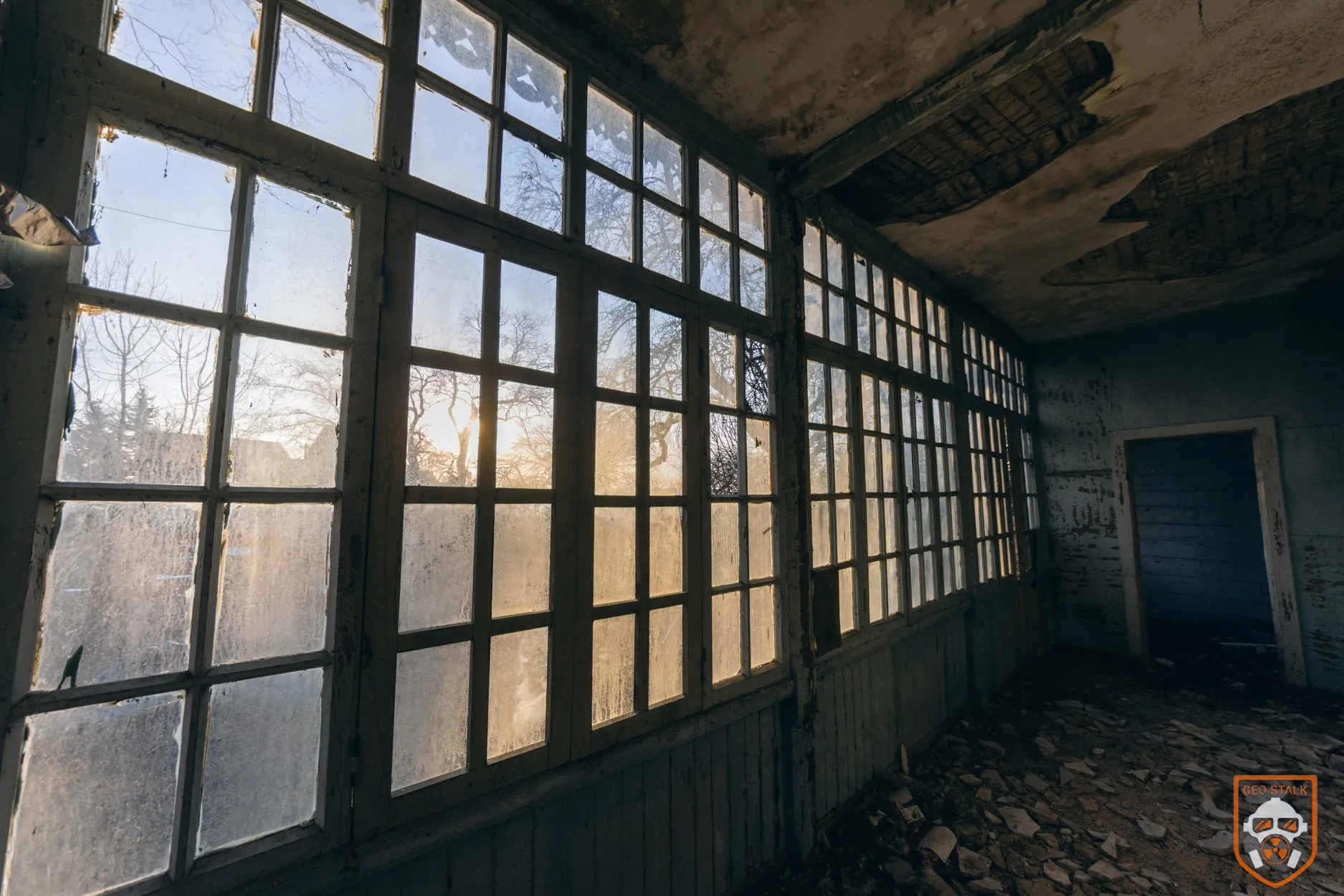
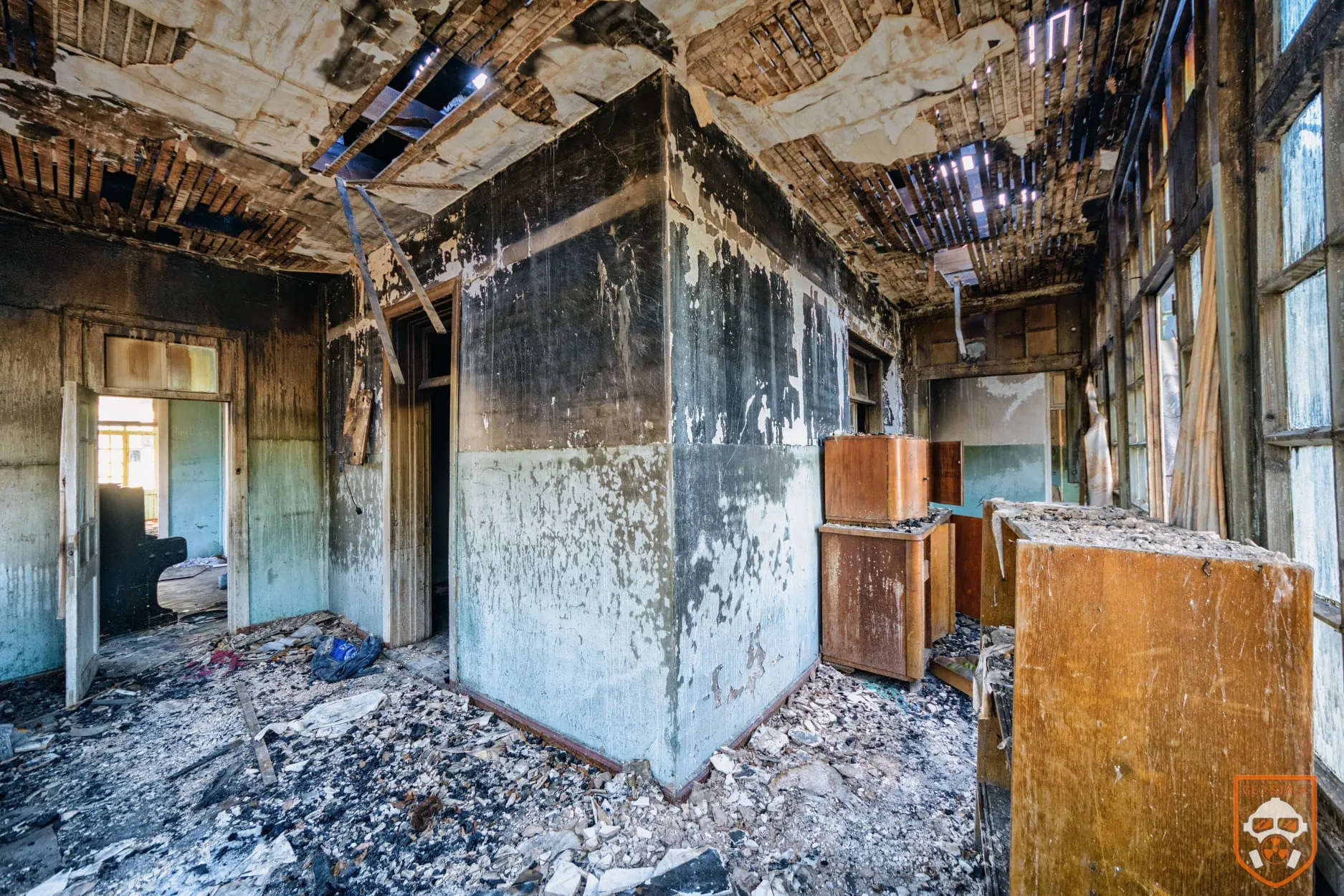
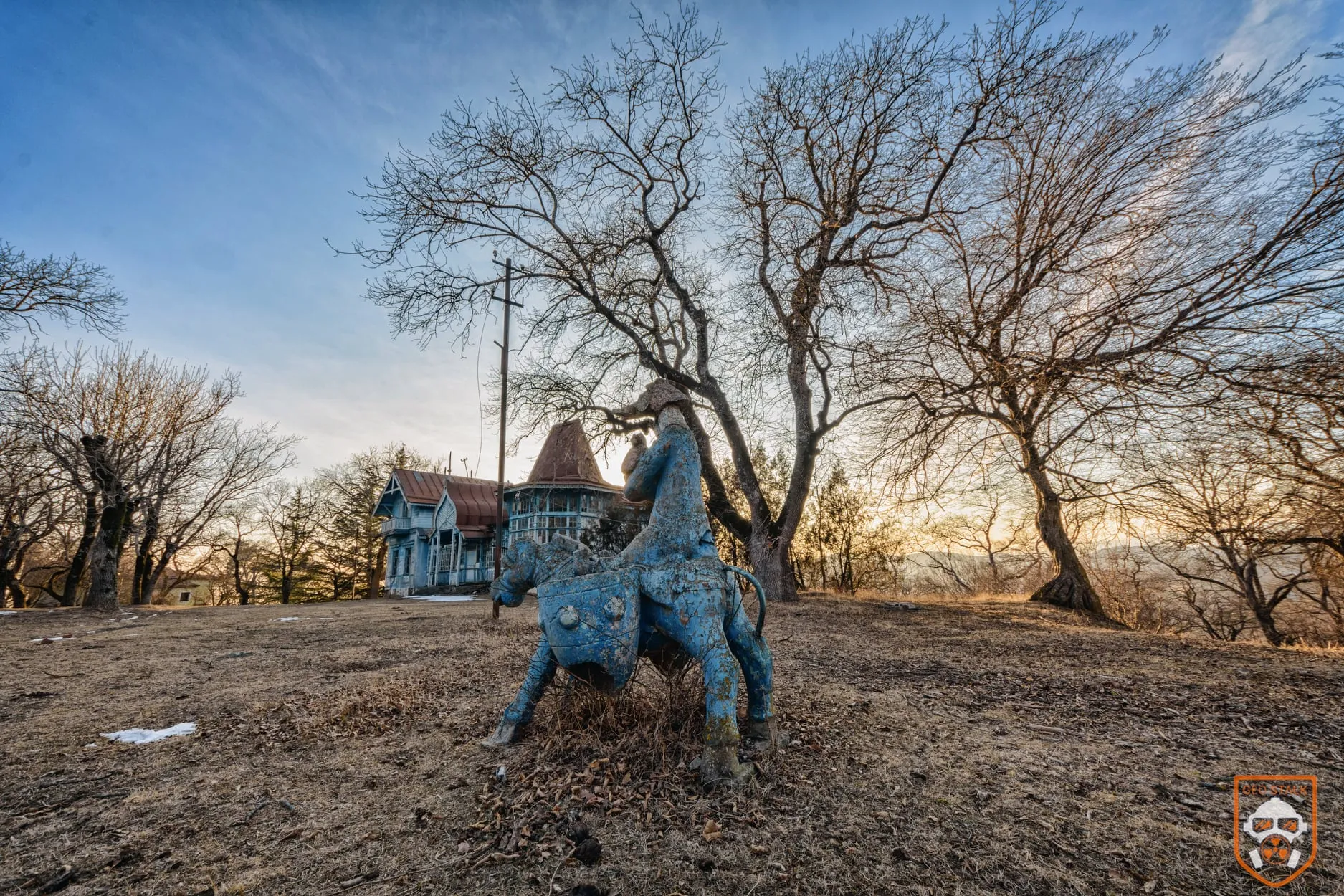
The Kojori cottage complex dates back to the early 20th century. The blue house – now often seen online – once served high-ranking officials from the Ministry of Internal Affairs and could only be accessed with a special permit. A short walk away stood Lavrenti Beria’s own retreat, an eight-room cottage hidden within the same fenced compound. In 1926 a kindergarten opened nearby, attracting well-known writers and artists who visited regularly. After the Soviet collapse, the area was turned into a children’s camp, and today the site sits abandoned and in ruins.
View on map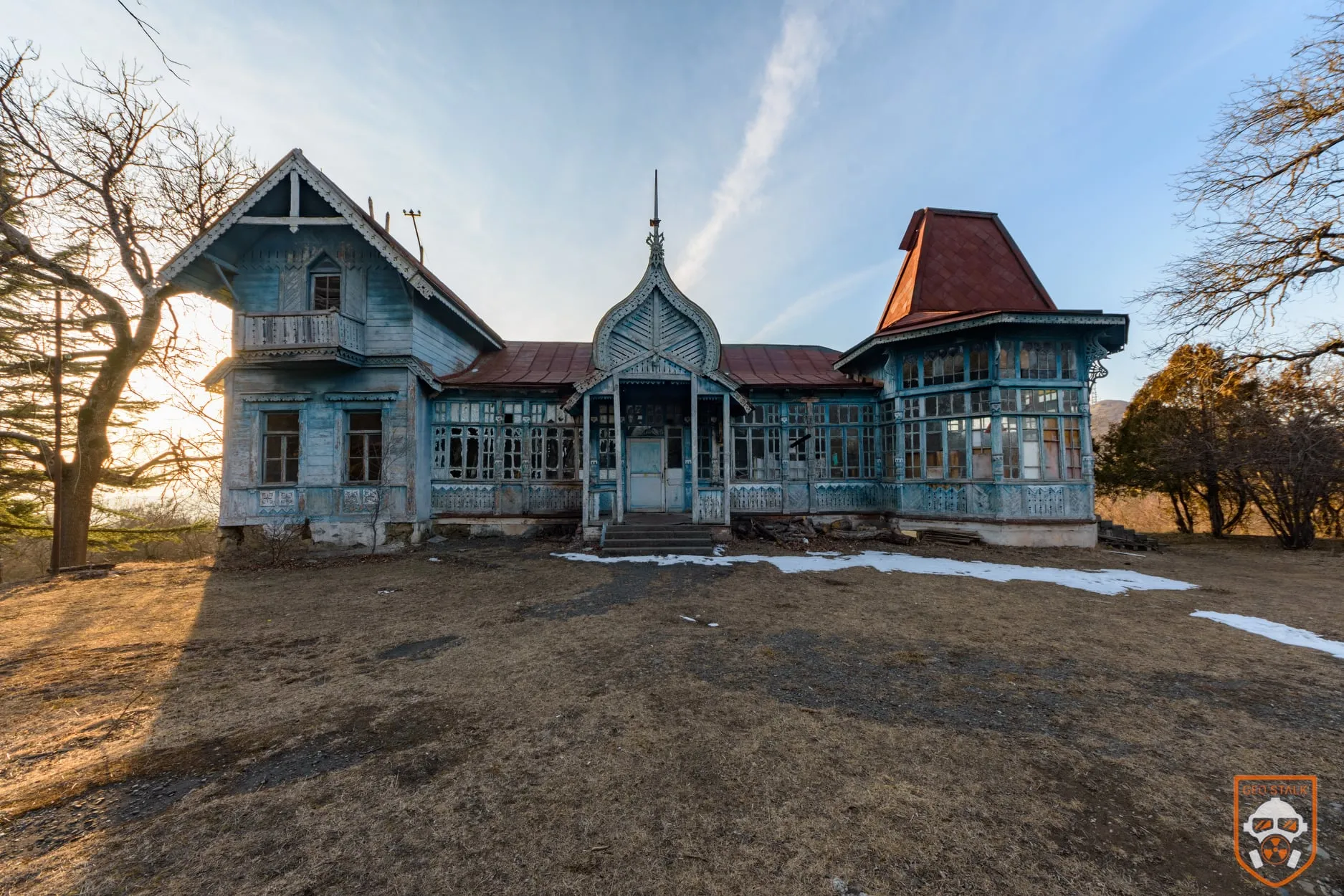
Treligora Water Reservoir
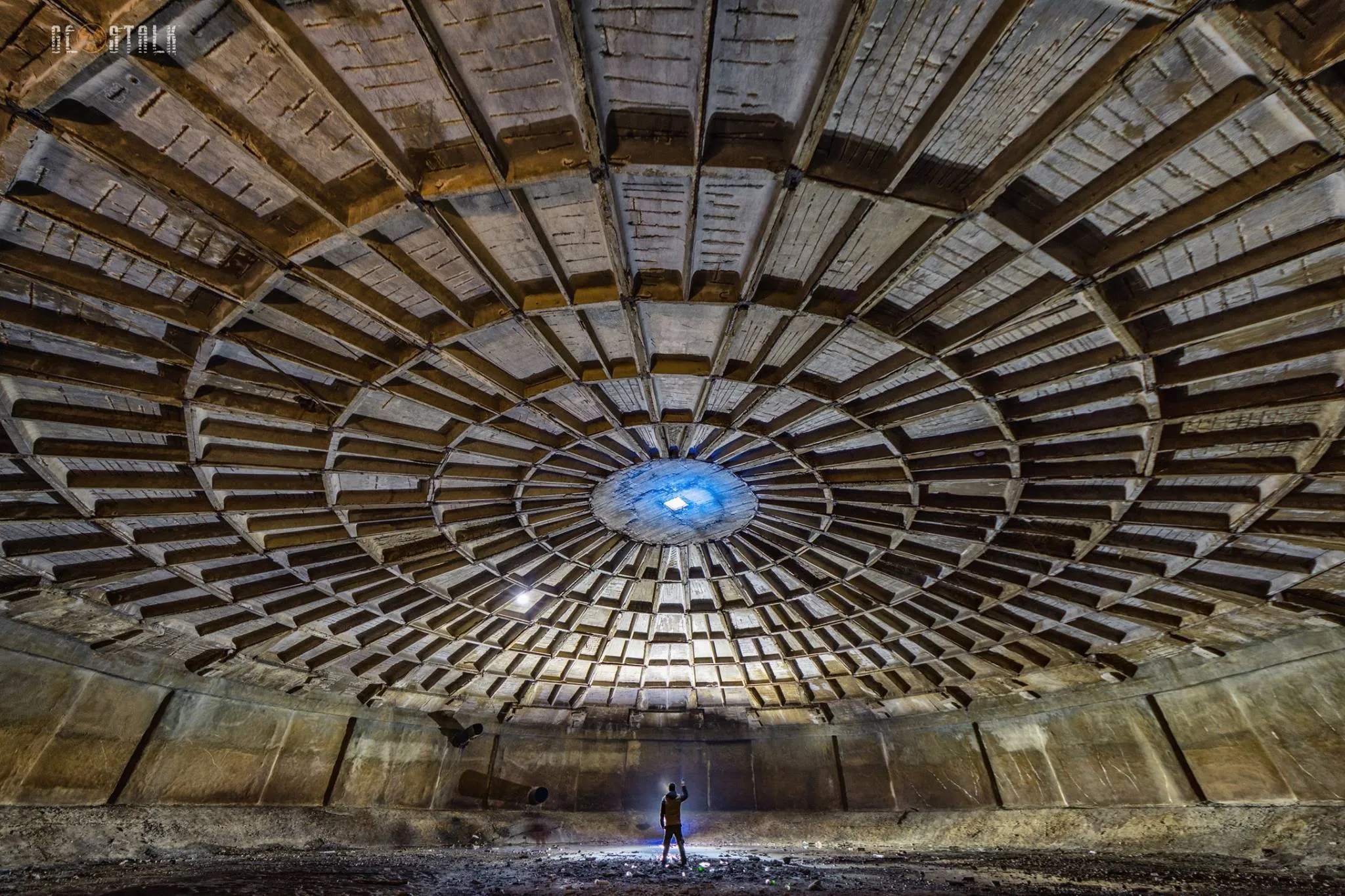
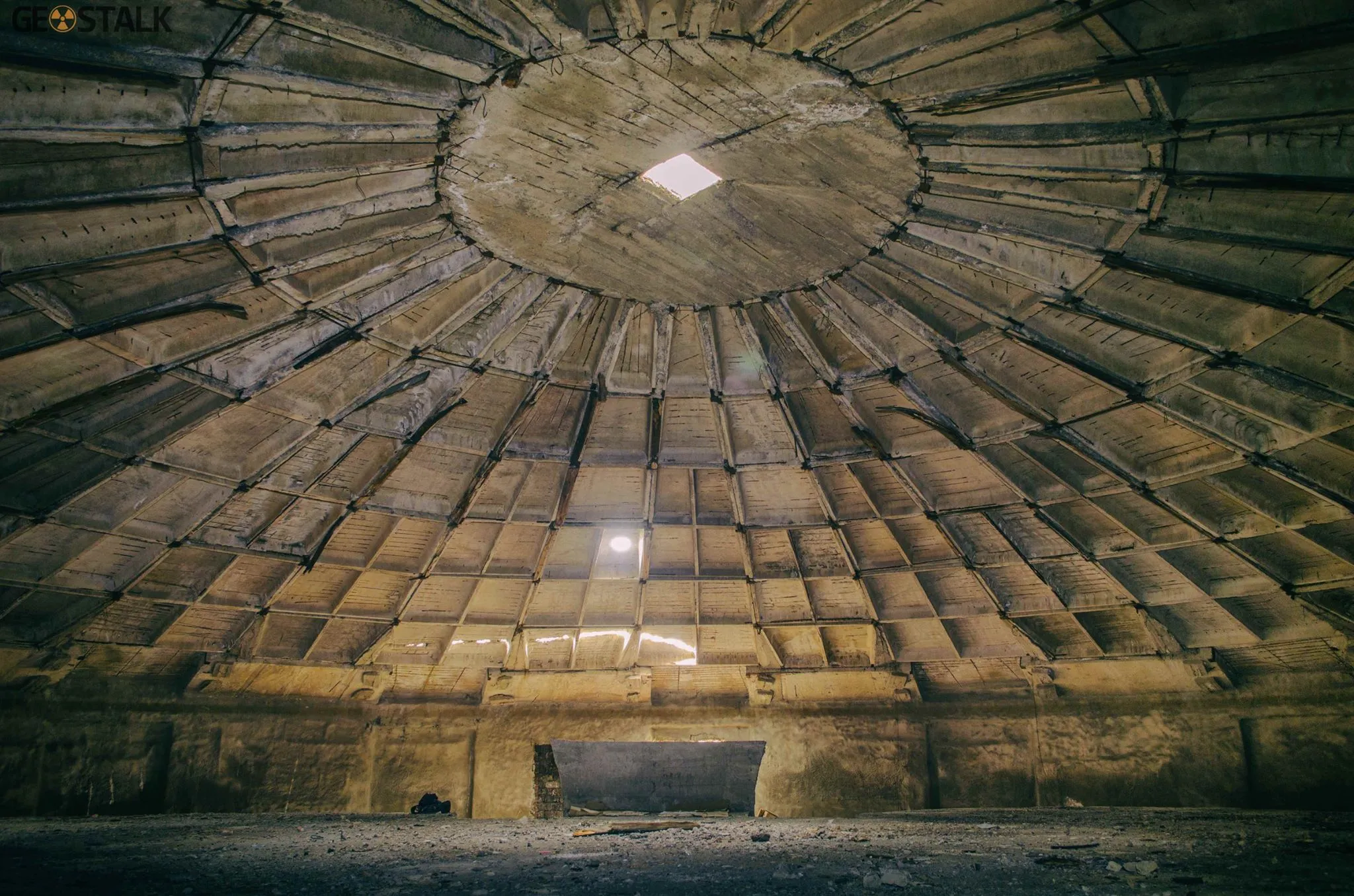
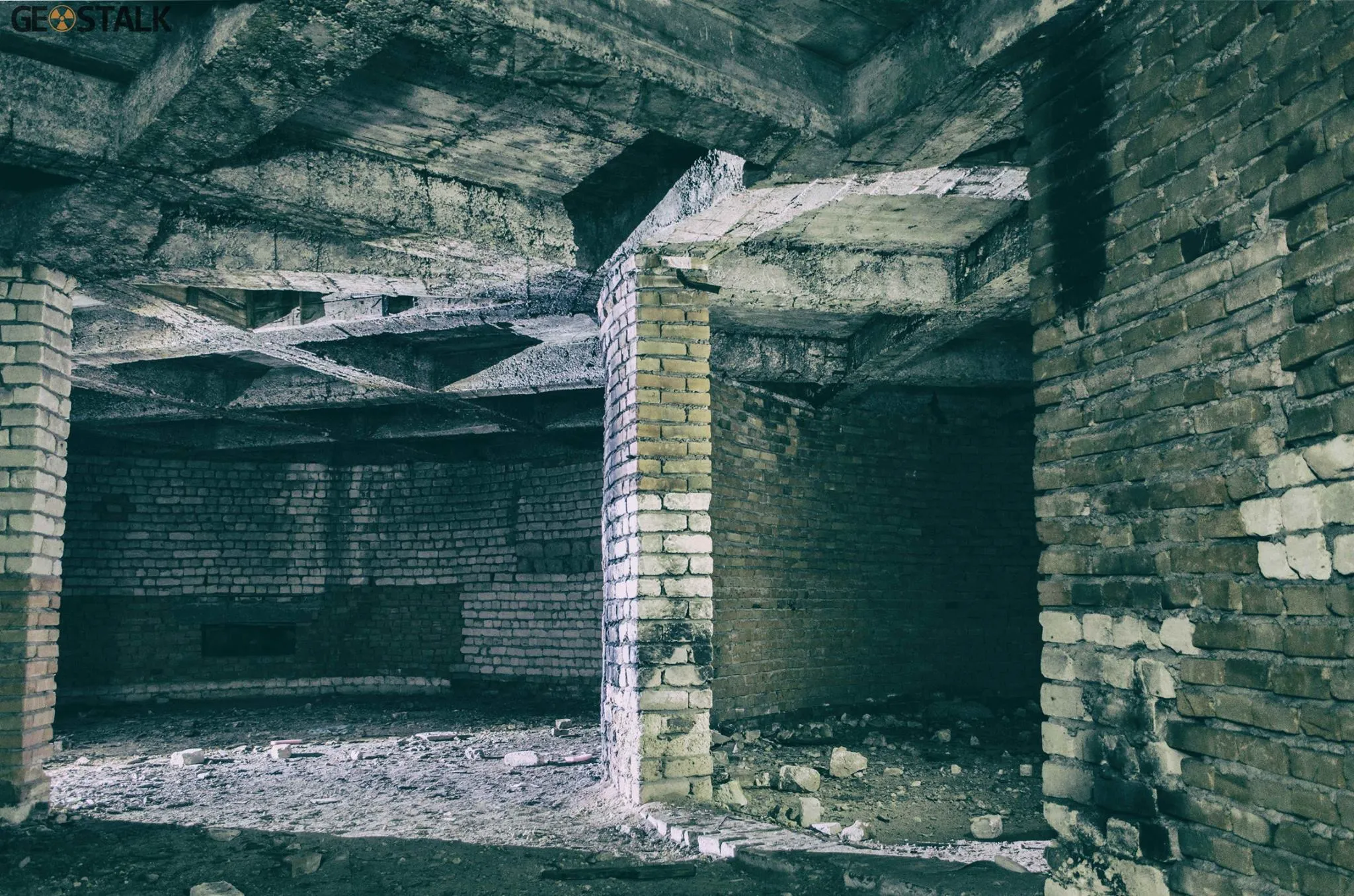
This abandoned dome-shaped reservoir stands on higher ground overlooking the outskirts of Tbilisi. Built around 1985, it once supplied water to Digomi and Vashlijvari. The structure spans roughly 40 meters across and contains a small brick formation inside. A second, smaller reservoir sits nearby. The scattered construction materials suggest the project was never fully completed. Sunlight filters in through gaps and an open hatch on the roof. Dry, empty and oddly sculptural, the reservoir’s shape gives it a slight UFO-like feel.
View on map

Chronicles of Georgia Monument
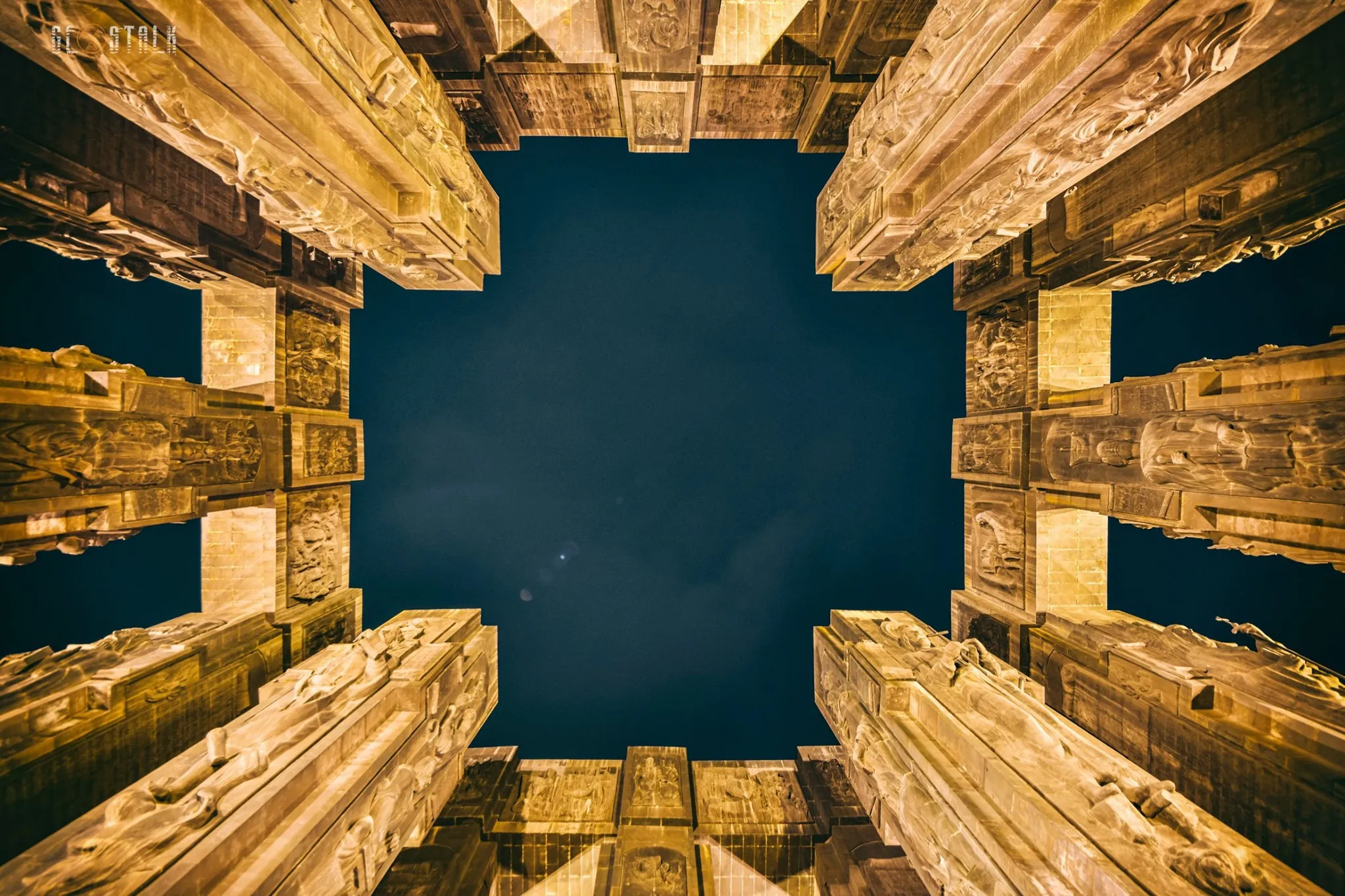
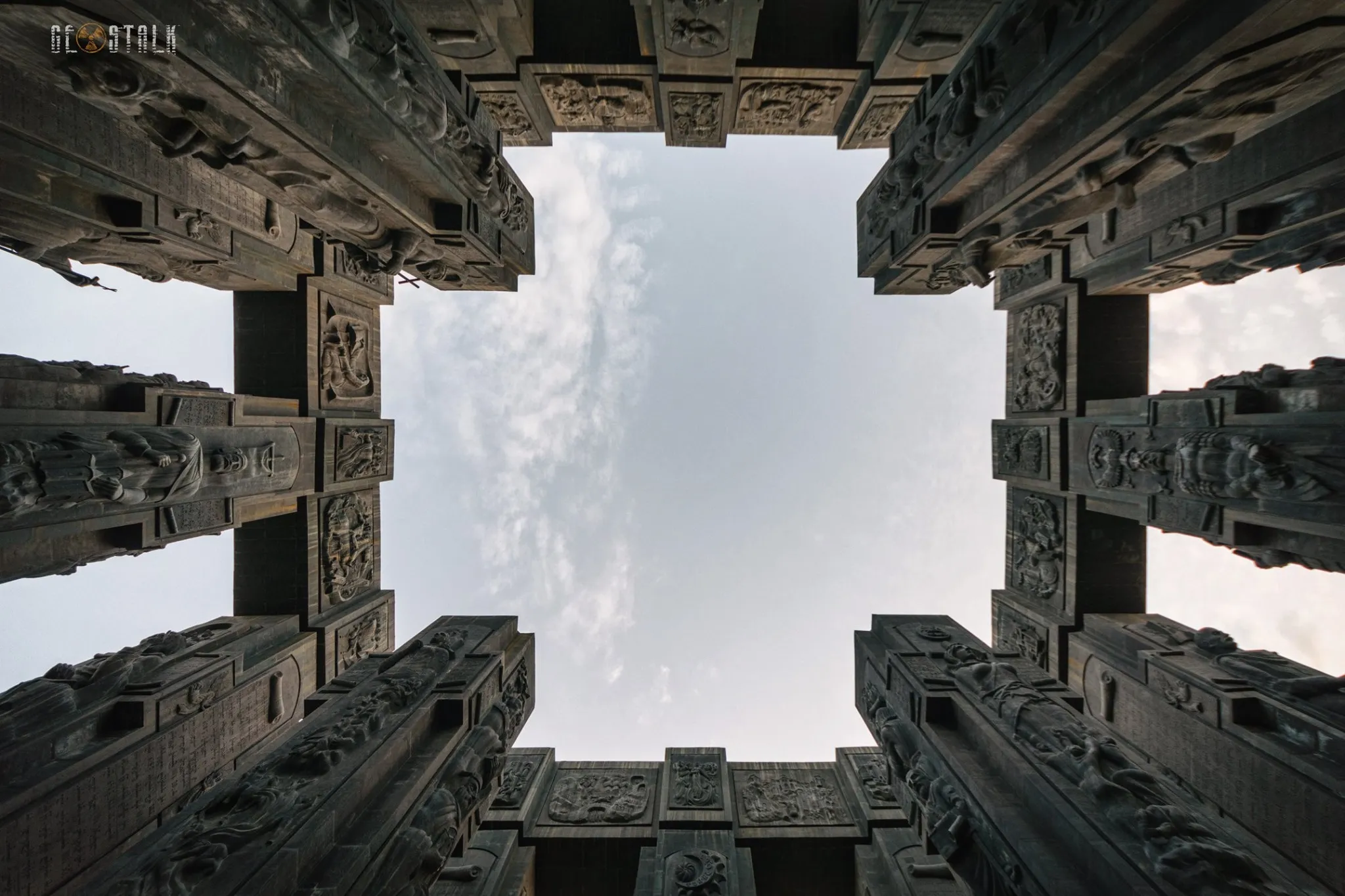
Often nicknamed “Tbilisi’s Stonehenge,” this monumental complex was created by sculptor Zurab Tsereteli and took shape between 1985 and 2003. Sixteen massive columns – each rising 35 meters – tell episodes from Georgian history. The lower sections show carved scenes, the mid-levels portray important figures, and the upper tiers depict everyday life in high relief. A wide staircase framed by classical columns leads uphill to the site. Only when you reach the top do the towering figures and scale of the monument fully reveal themselves.
View on map


Nutsibudze Bridged blocks
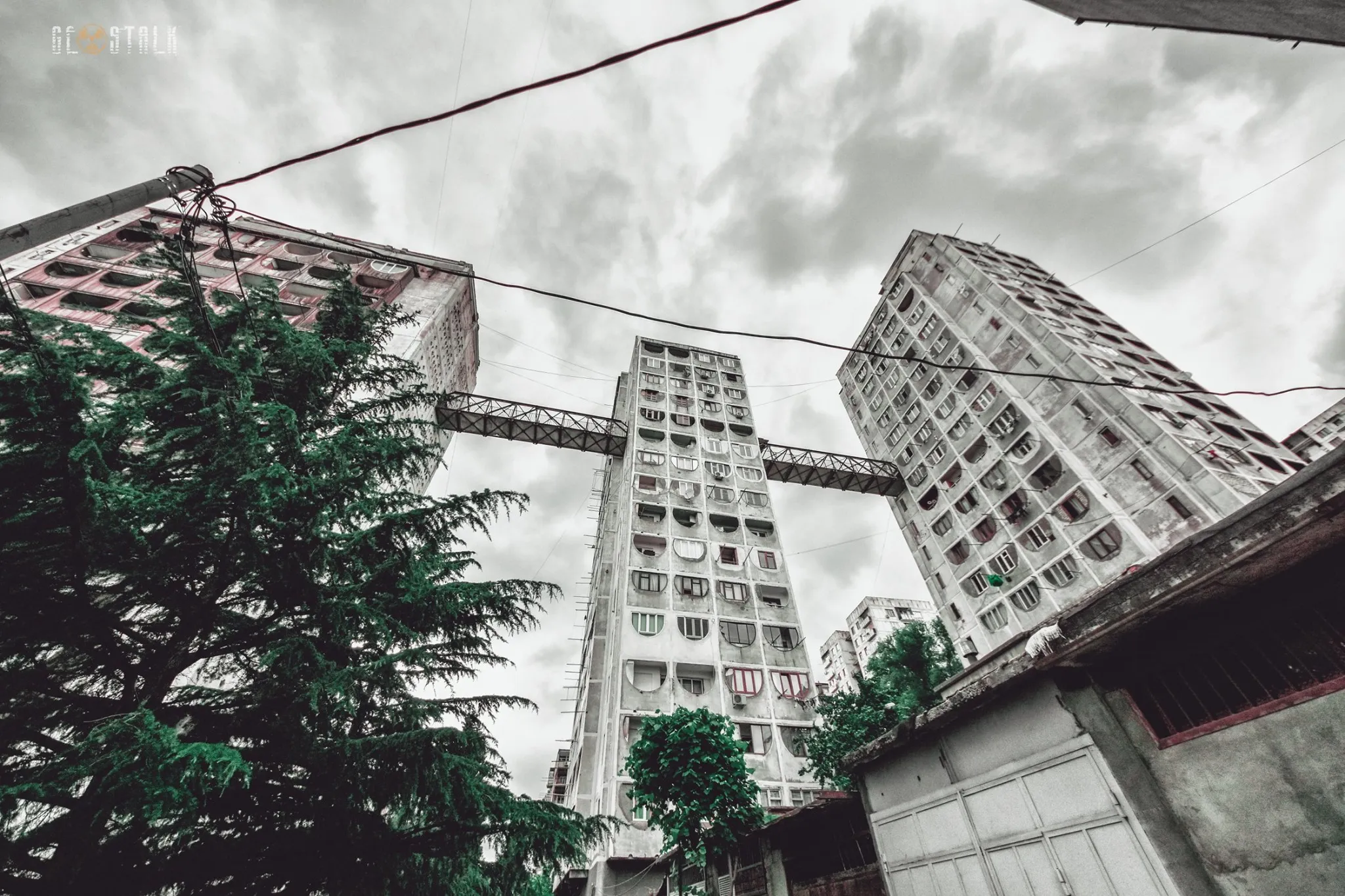
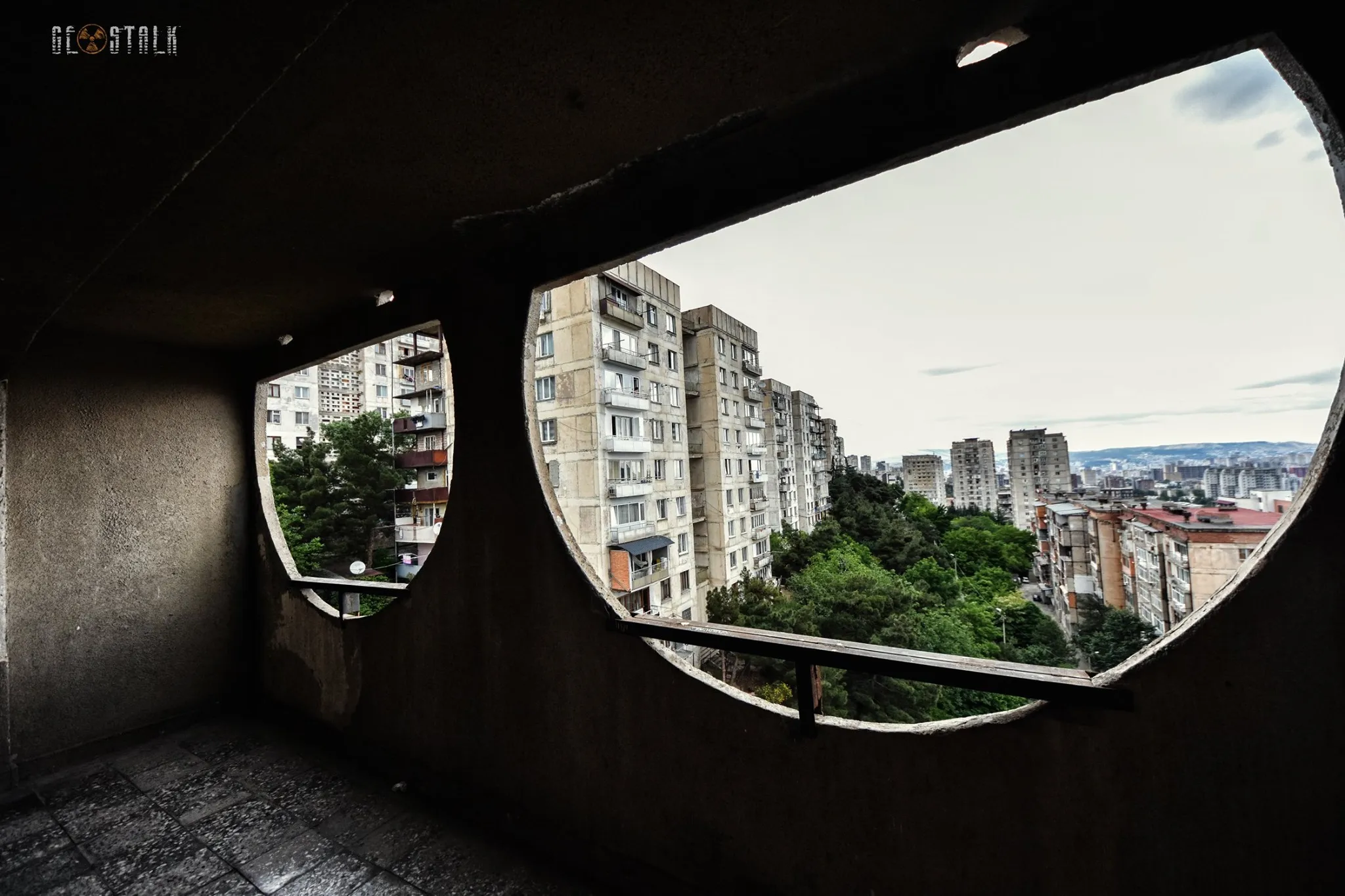
In the 1970s the research institute “ВНИИТМЕ” (today the Patriarchate’s TV station) began building three apartment towers on the slopes of Nutsubidze. The project finished in 1987, resulting in three identical 16-storey blocks connected by an elevated walkway. The bridge links to the 14th floor of the lowest building, passes through the 12th floor of the middle block, enters the 10th floor of the uppermost building, and continues all the way out to Emilie Bedia Street. The idea was simple: to spare residents from a steep daily climb. One of the lifts in the first building is dedicated solely to reaching the bridge. The concept was designed by Otar Kalandarishvili. More photos here
View on map




Tbilisi TV Tower
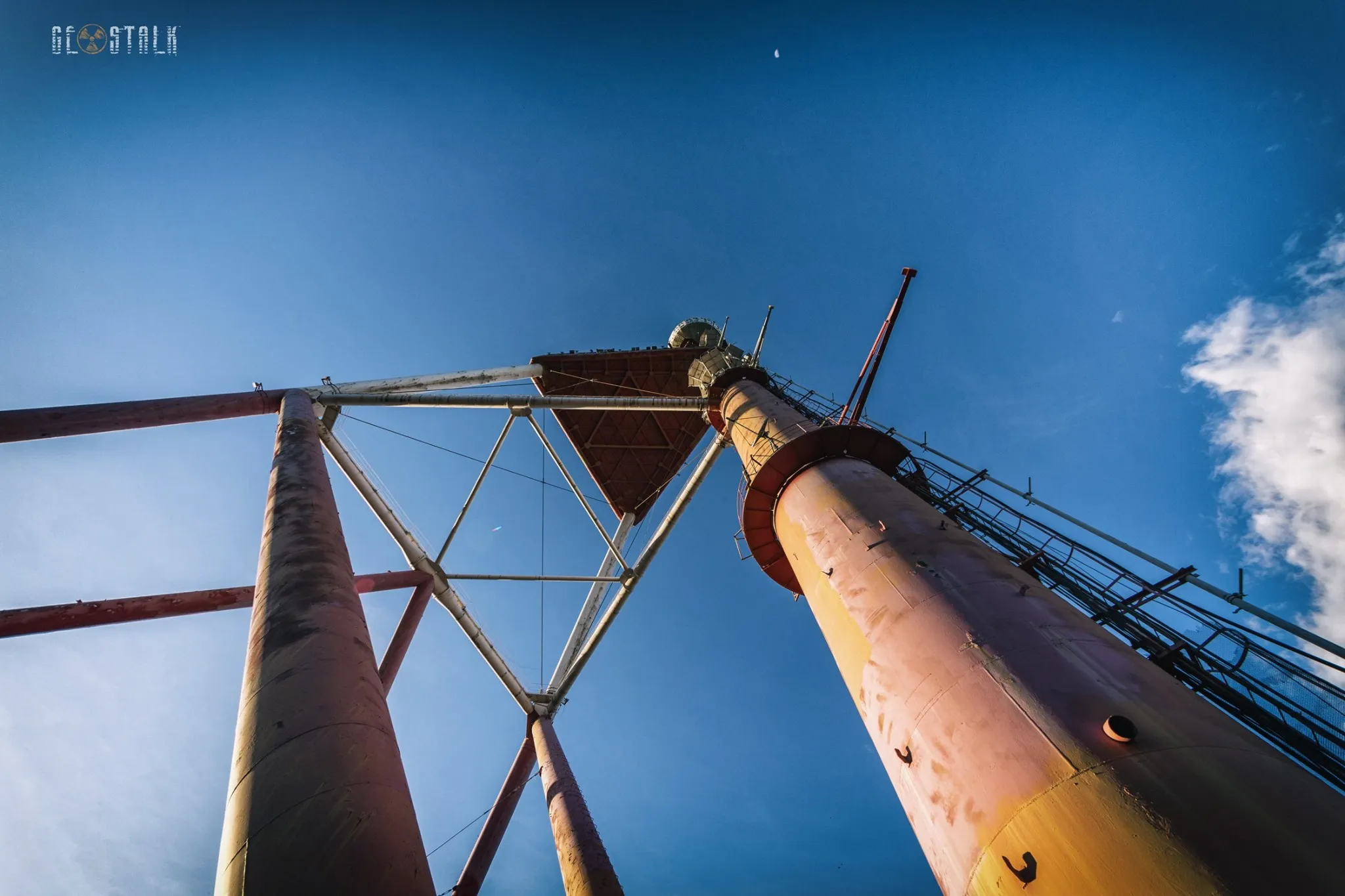
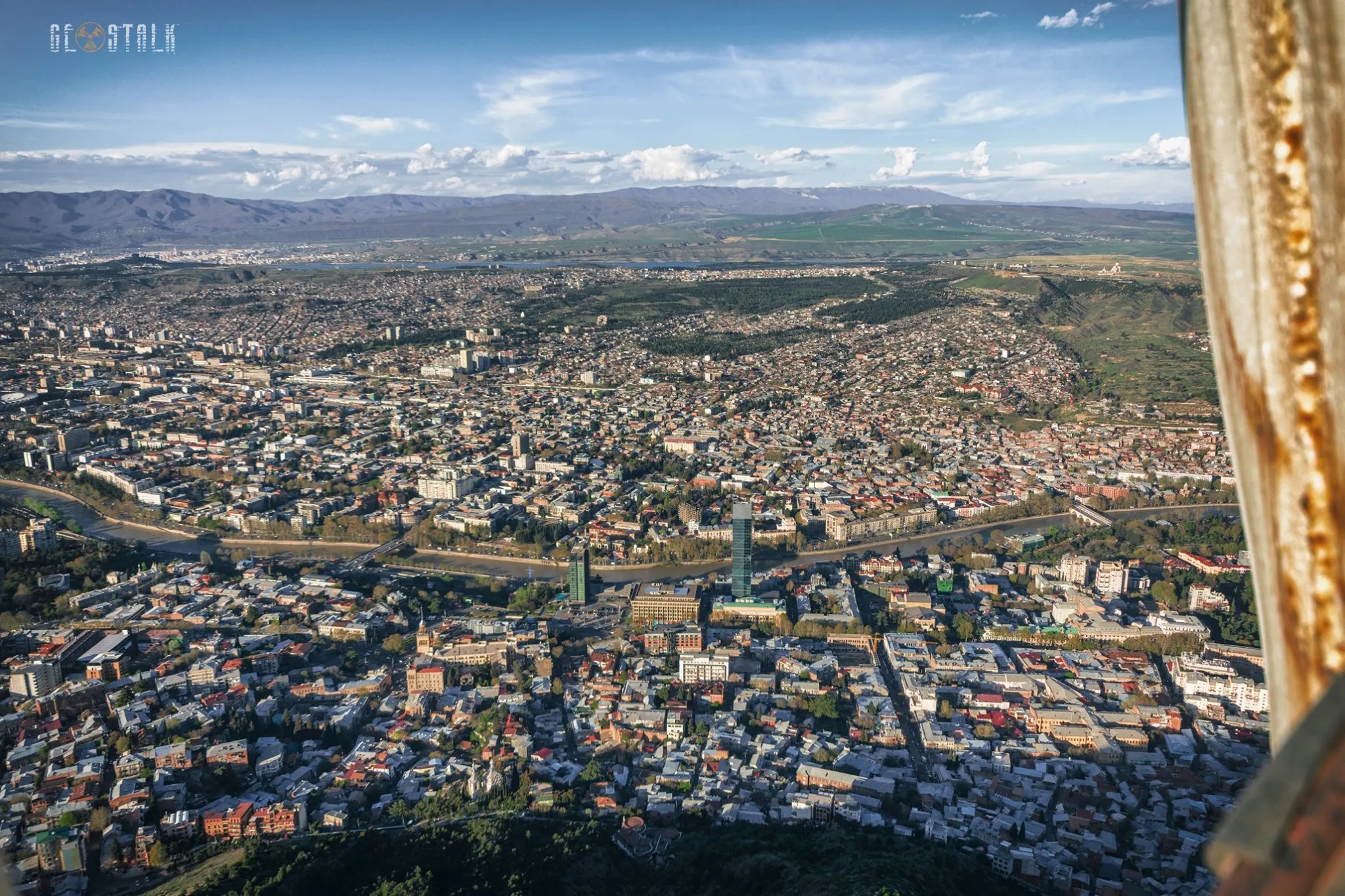
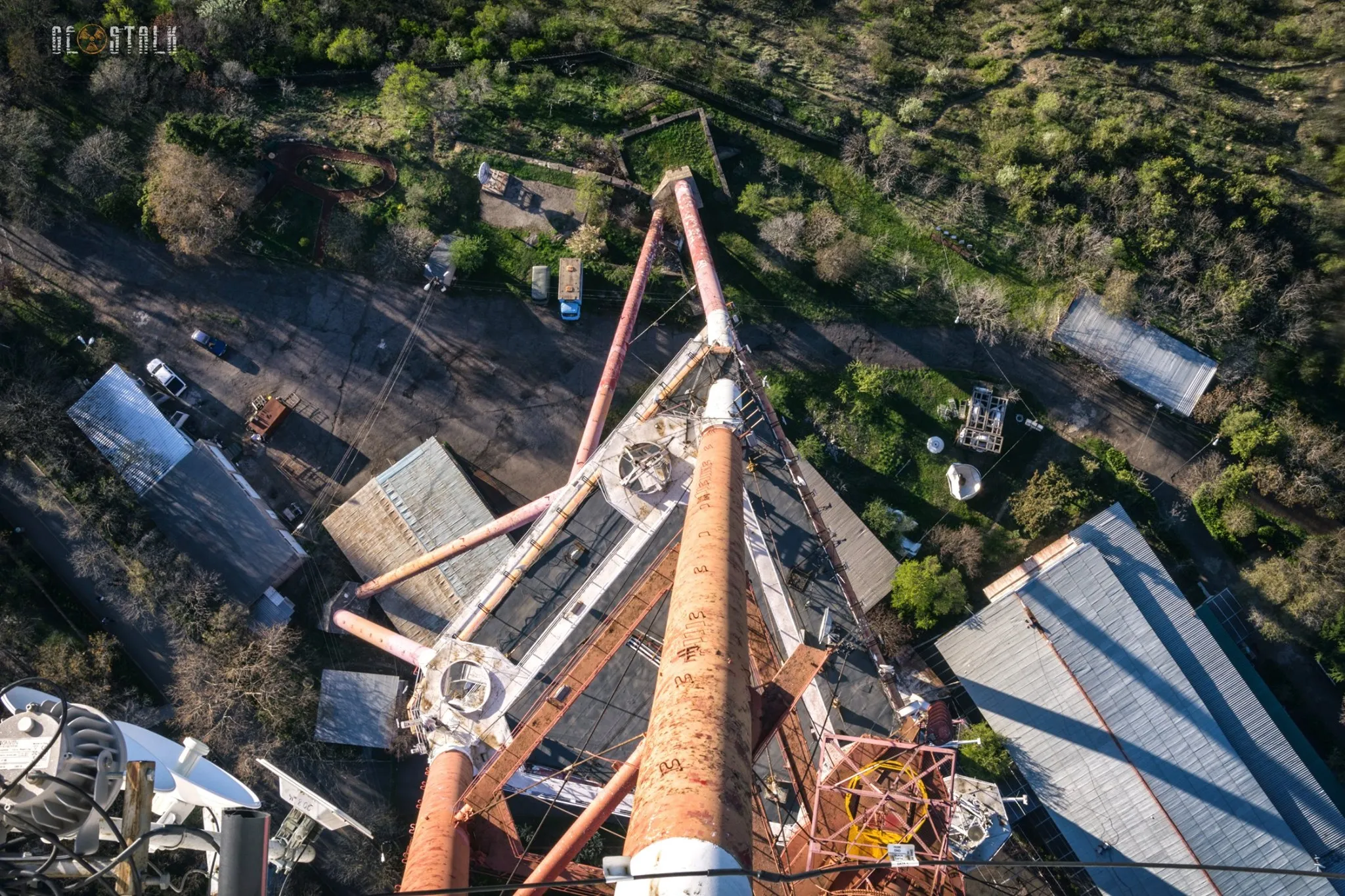
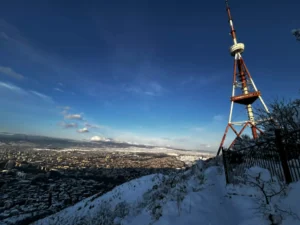
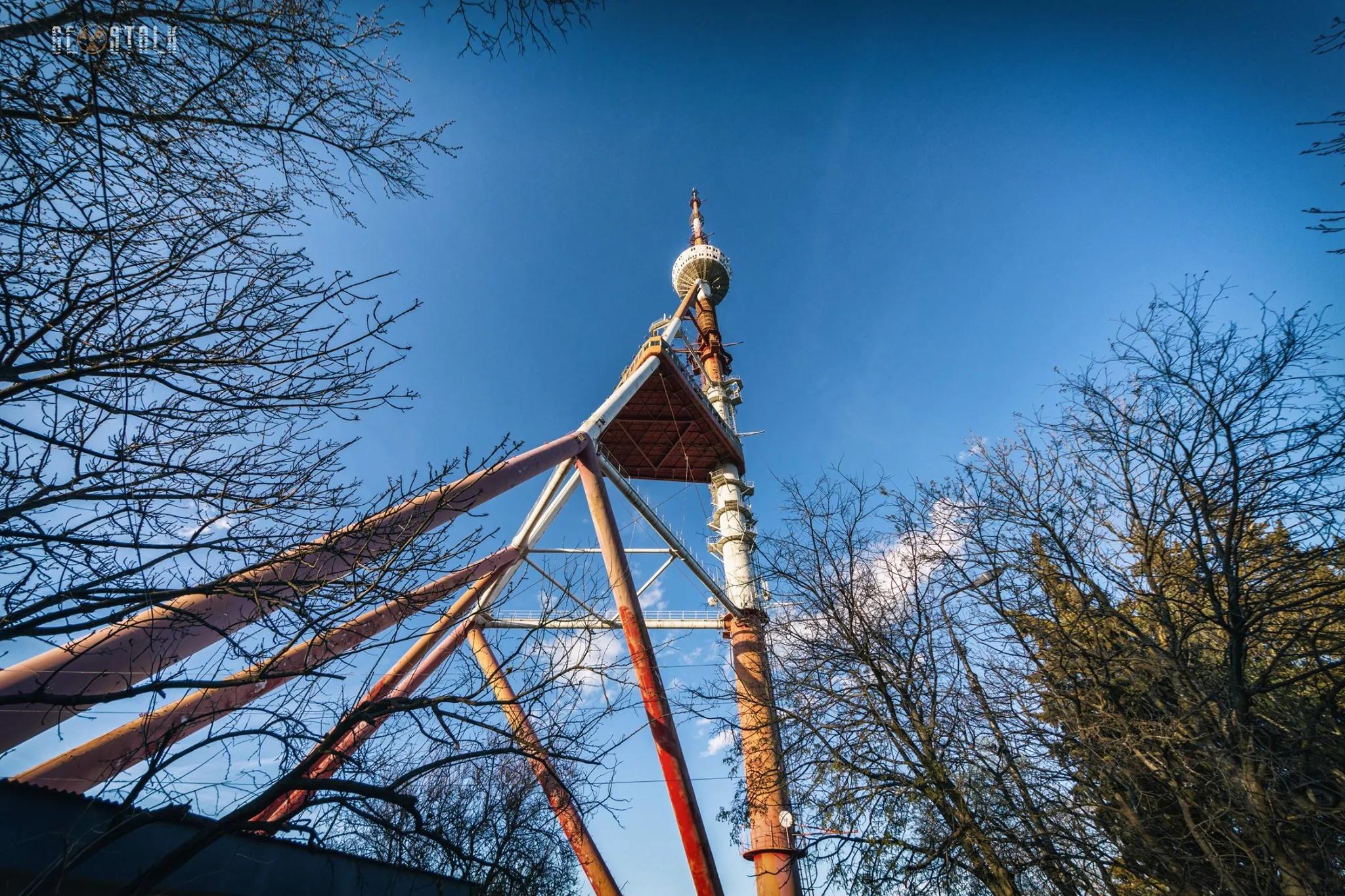
The Tbilisi TV Tower stands on Mtatsminda and has been part of the city skyline since 1972. Designed by Boris Butin, the structure replaced an earlier 1955 tower, which was later relocated near Gori. Today the tower hosts a mix of broadcasting and communication systems, including TV, radio, cellular networks and repeaters. The structure rises 274.5 meters above Mtatsminda, with the mountain itself reaching 719.2 meters in elevation.
View on map