UNESCO World Heritage Sites
Georgia’s UNESCO World Heritage Sites capture the country’s long history, diverse landscapes and deep cultural roots. From ancient mountain villages to medieval monasteries and untouched rainforests, each site reveals a different chapter of Georgia’s story. Together, they showcase the mix of faith, tradition and natural beauty that shaped the nation across thousands of years. Exploring these places offers a journey through time, where every region shares its own unique piece of Georgia’s heritage.
Currently Georgia has 4 sites listed in UNESCO honorary list. Although there was a fifth one as well.
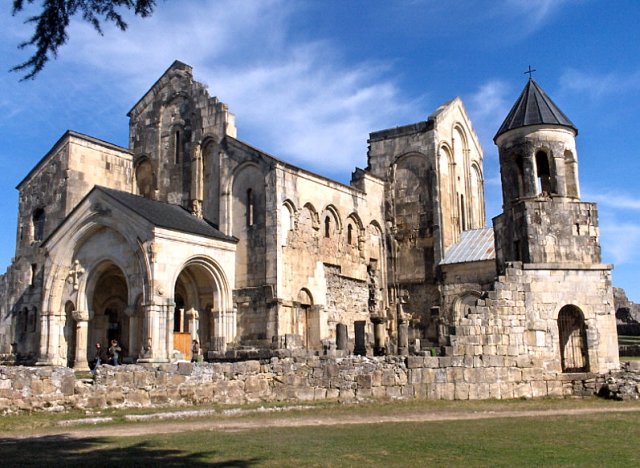
Bagrati Cathedral, rising above Kutaisi, was once one of Georgia’s proud UNESCO World Heritage Sites. Built in the early 11th century during the reign of King Bagrat III, it symbolized the political unity of the Georgian kingdom and became a landmark of medieval architecture. Its hilltop location and wide arches made it one of the most recognizable churches in the country.
However, the cathedral was heavily damaged over centuries and partly ruined by an explosion in the 17th century. In the 2000s, large-scale reconstruction began with the aim of restoring the monument, but the work introduced new materials and modern design elements that changed the original structure. UNESCO eventually concluded that the restoration had compromised the cathedral’s historical authenticity and architectural integrity.
For this reason, in 2017 Bagrati Cathedral was removed from the UNESCO World Heritage List, becoming a rare example of a site losing its status. Today it still stands as an important cultural and religious symbol, but its reconstruction remains a lesson in how preservation and modernization must be carefully balanced to protect Georgia’s heritage. Below are pictures of Bagrati Cathedral before and after reconstruction:

Monuments of Mtskheta
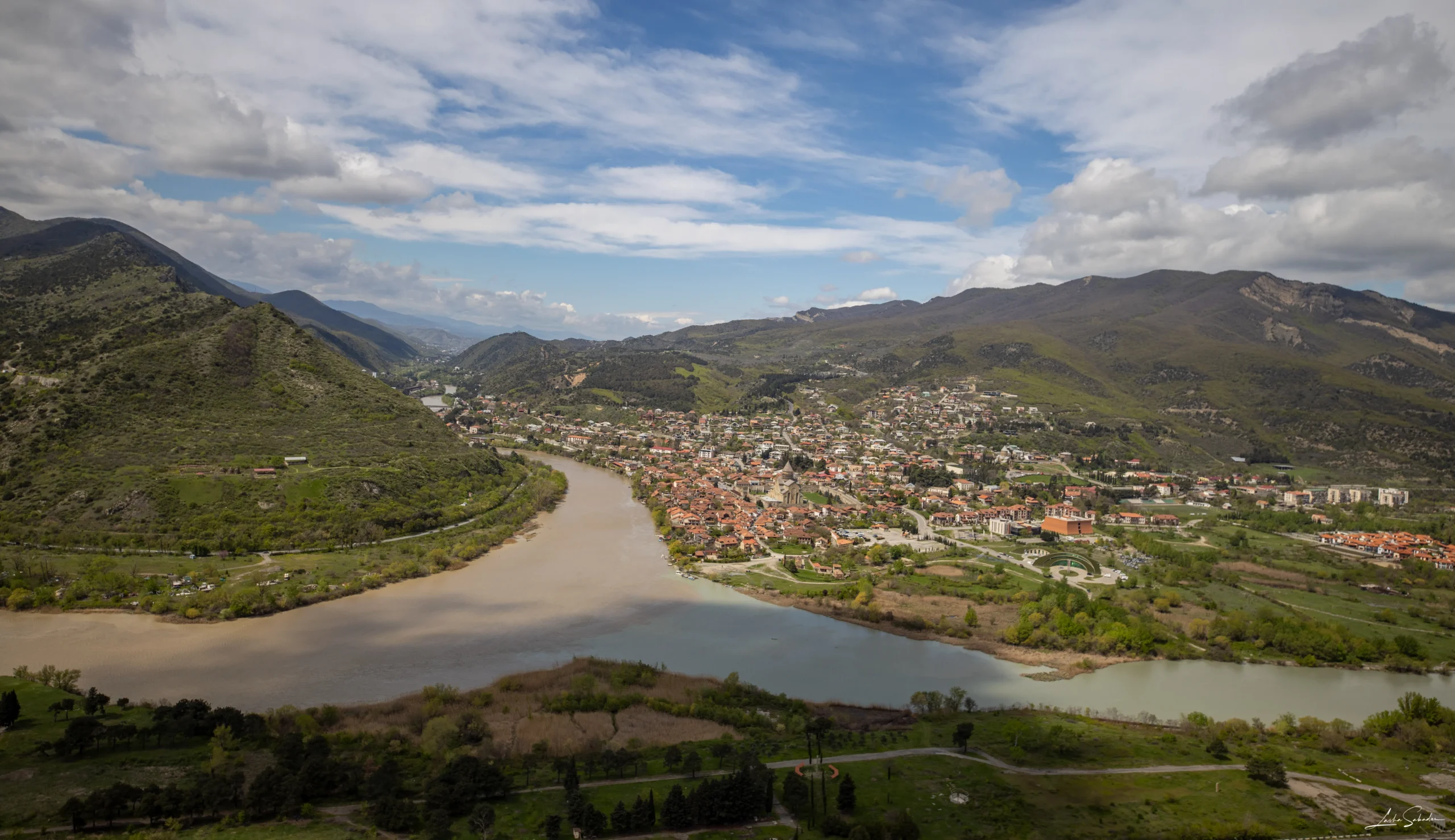
The Historical Monuments of Mtskheta form one of Georgia’s most treasured UNESCO World Heritage Sites, sitting at the meeting point of the Aragvi and Mtkvari rivers. As the former capital of the ancient Kingdom of Iberia, Mtskheta became one of the earliest centers of Christianity in the region. Its churches and archaeological layers reflect a moment in history when Georgia was shaping its spiritual and cultural identity.
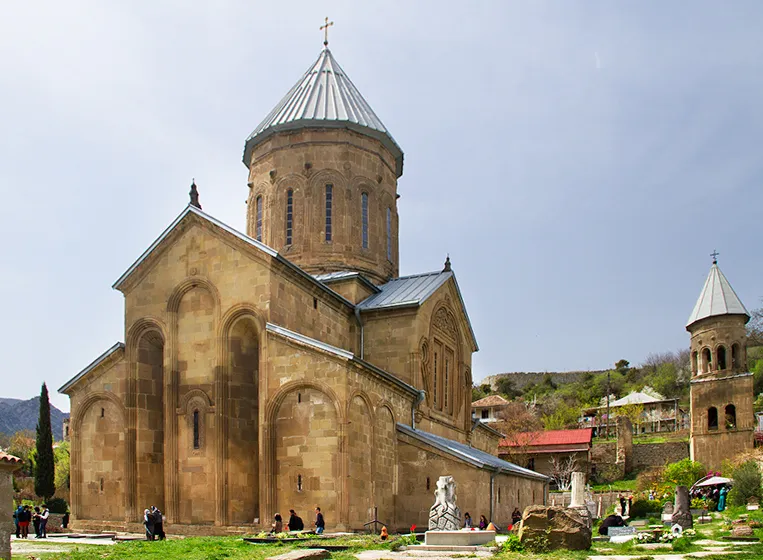
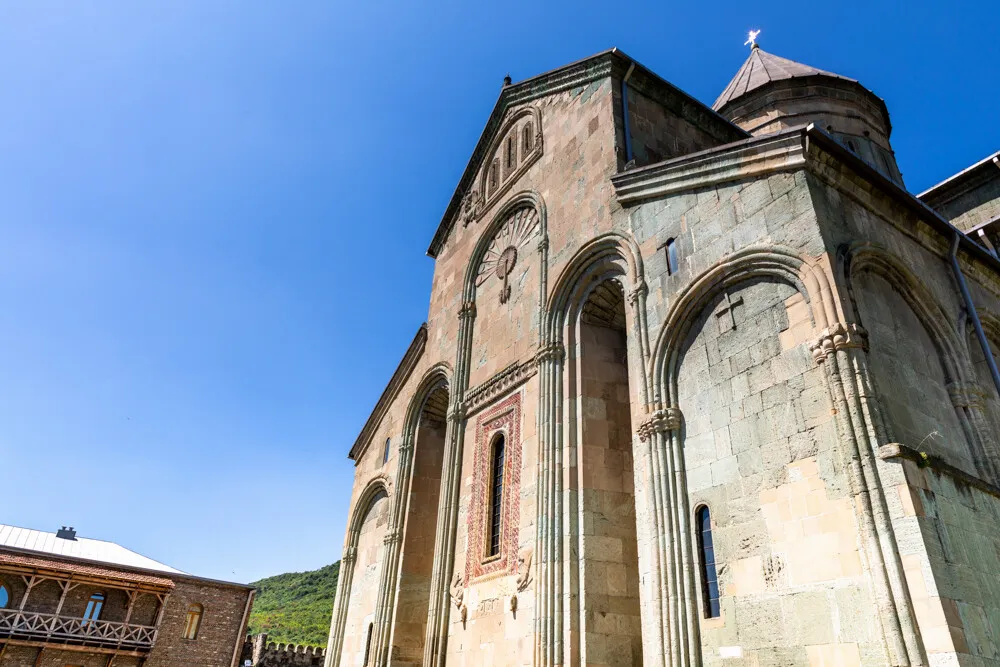
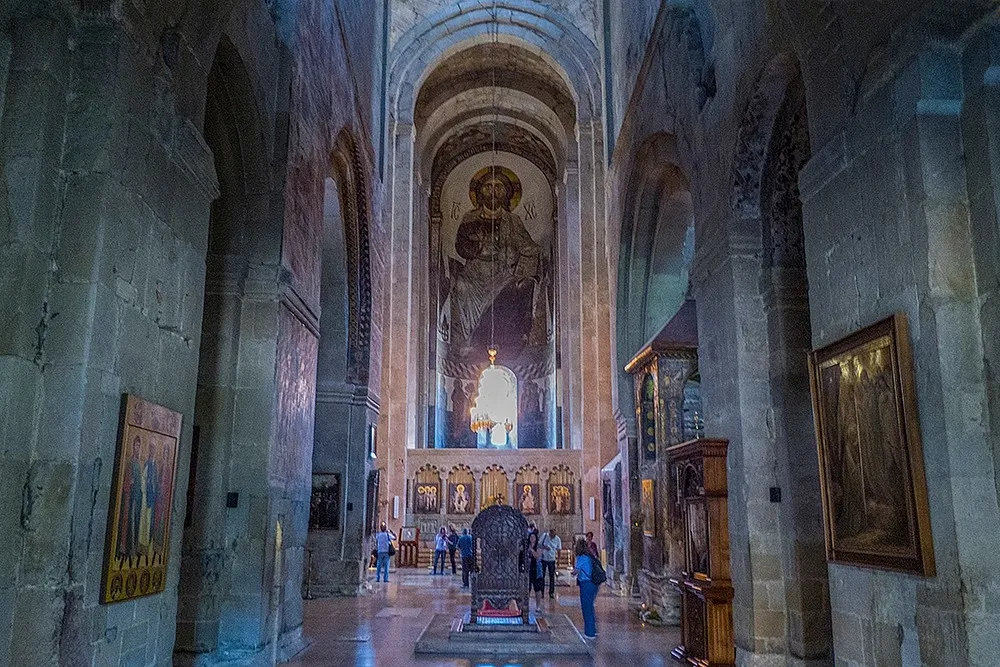
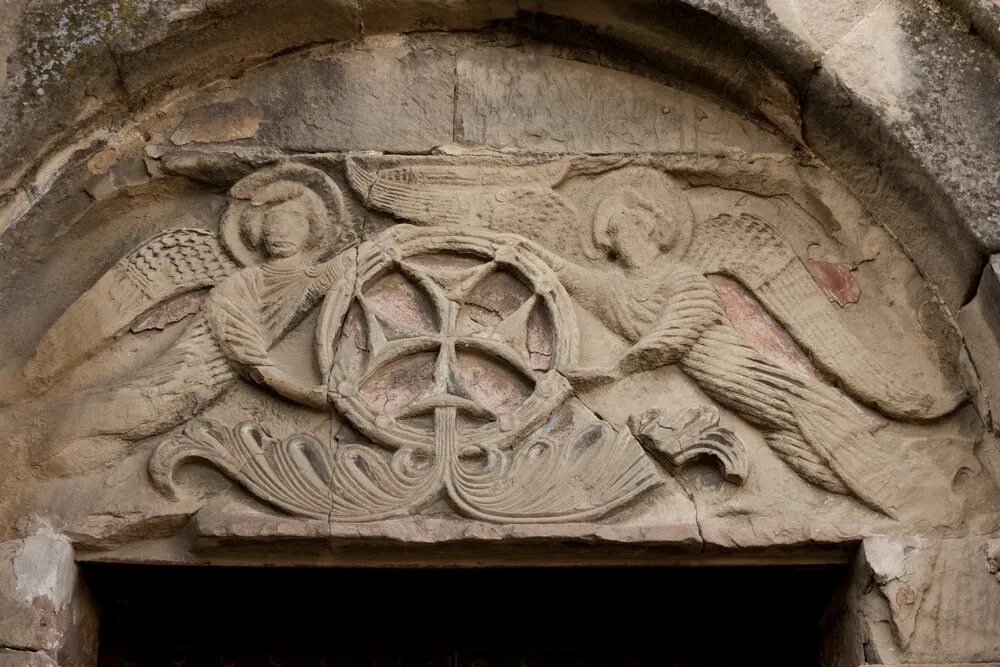
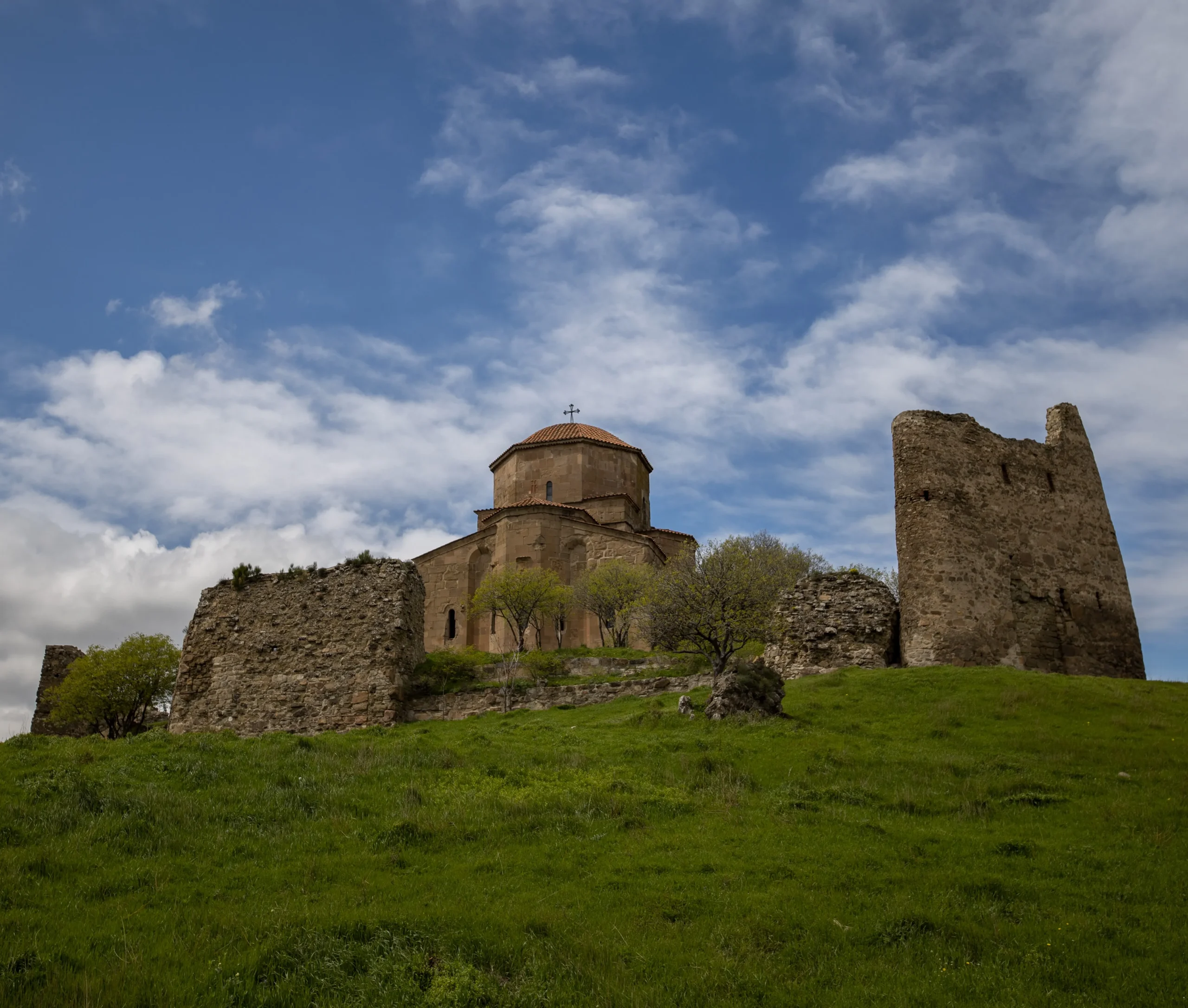
At the heart of the site stand three main monuments: Jvari Monastery, perched on a hill with a perfect view of the two rivers; Svetitskhoveli Cathedral, the spiritual center of the country and a masterpiece of early medieval architecture; and Samtavro Monastery, closely linked to Georgia’s first Christian rulers. Each monument carries centuries of legends, royal stories and architectural innovations that influenced church building across the Caucasus.
Together, these landmarks form a landscape where nature, history and faith meet in one compact, walkable town. Mtskheta’s sacred atmosphere, traditional stone houses and mountain backdrop make it a place where Georgia’s ancient past feels remarkably close, earning its place on UNESCO’s list as one of the country’s most important cultural treasures.
View on map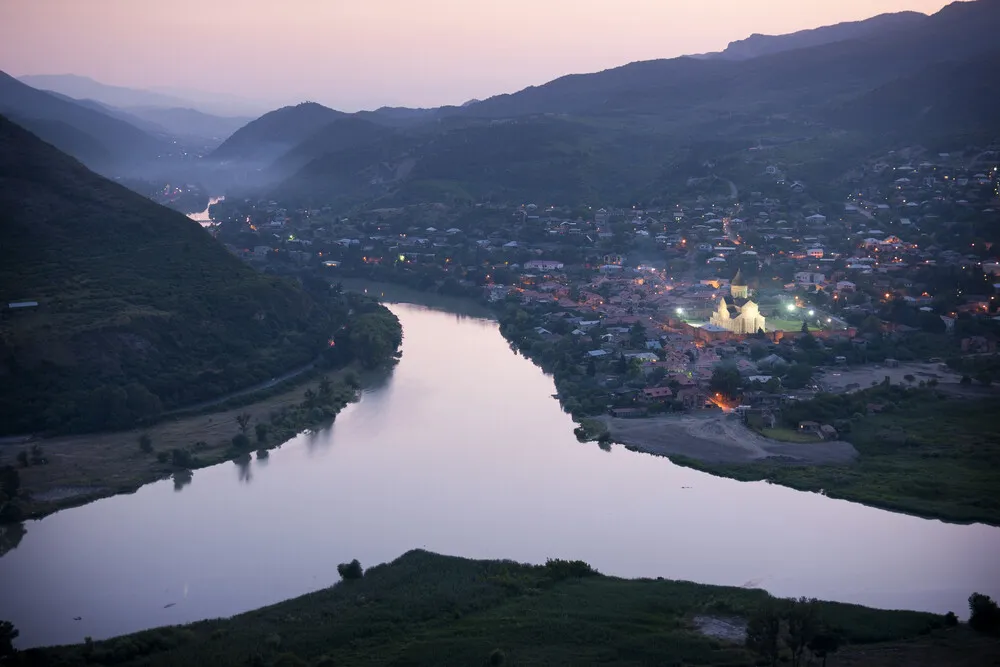

Gelati Monastery
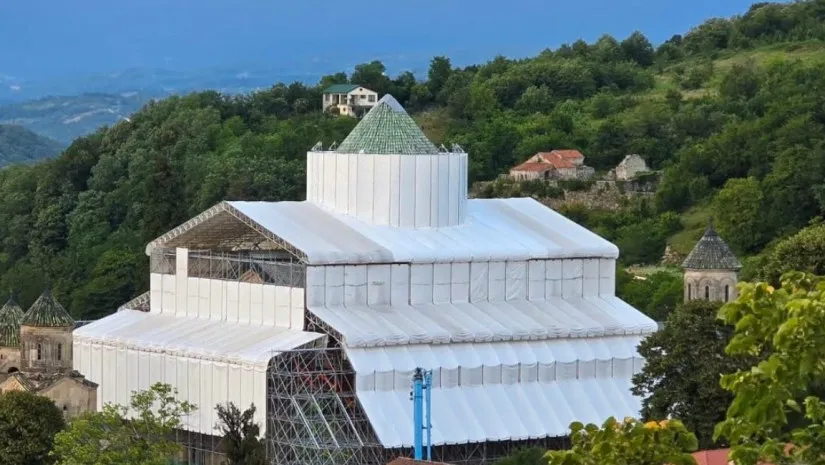
Gelati Monastery, set on a green hillside above Kutaisi, is one of Georgia’s most celebrated UNESCO World Heritage Sites. Founded in the 12th century by King David the Builder, it became a symbol of the Georgian Golden Age – a time of cultural growth, learning and strong statehood. The monastery served not only as a spiritual center but also as a beacon of science and philosophy through its renowned academy.
The complex is best known for its stunning mosaics and colorful frescoes. Inside the main church, the great mosaic of the Virgin Mary shines above the altar, a rare masterpiece that still catches the light just as it did centuries ago. Around it stand smaller churches, tombs of kings and the remains of the once-famous academy, where scholars studied theology, astronomy, rhetoric and the natural sciences.
Today, Gelati is an active monastery, but it has faced conservation challenges. Water leaks and roof damage affected parts of the frescoes in recent years, leading UNESCO to temporarily mark the site as endangered. Although it has been removed from the danger list, restoration work continues, balancing the needs of preservation with traditional monastic life.
Despite these challenges, Gelati remains a place of quiet beauty and deep history. The mix of forested hills, stone walls and golden interiors creates an atmosphere that still reflects the spirit of Georgia’s medieval kingdom. Visitors come not only for its art and architecture but also for the feeling of stepping into a living chapter of the country’s cultural heritage.
View on map


Upper Svaneti
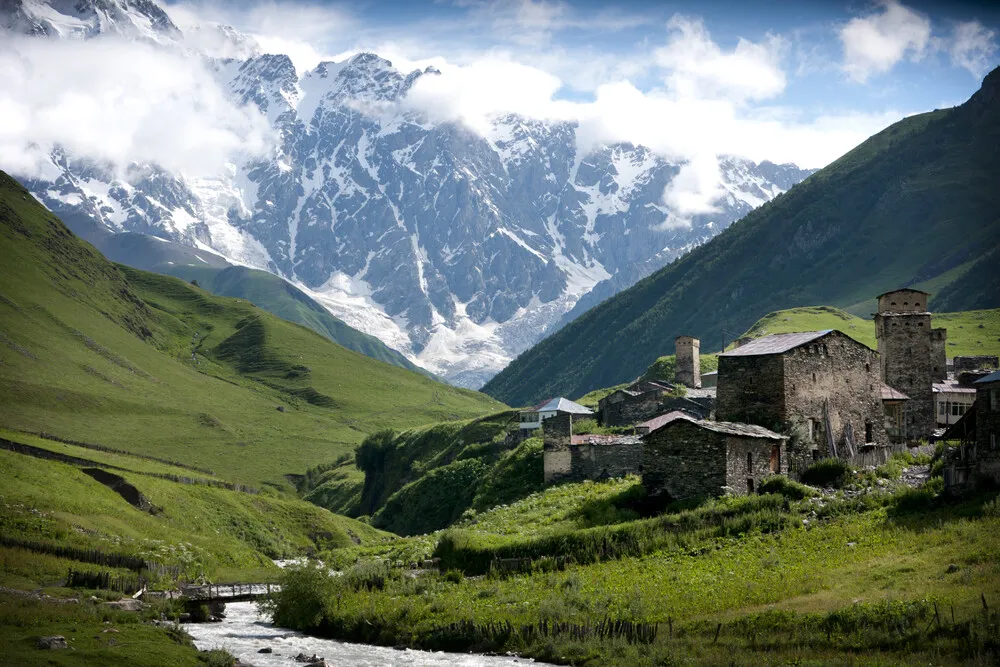
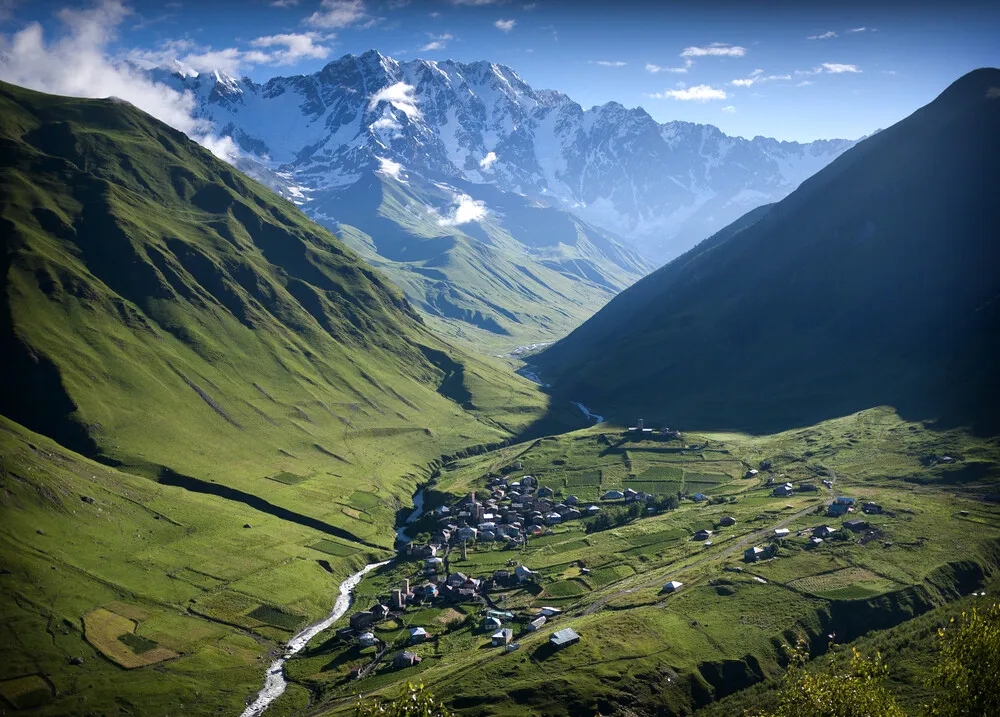
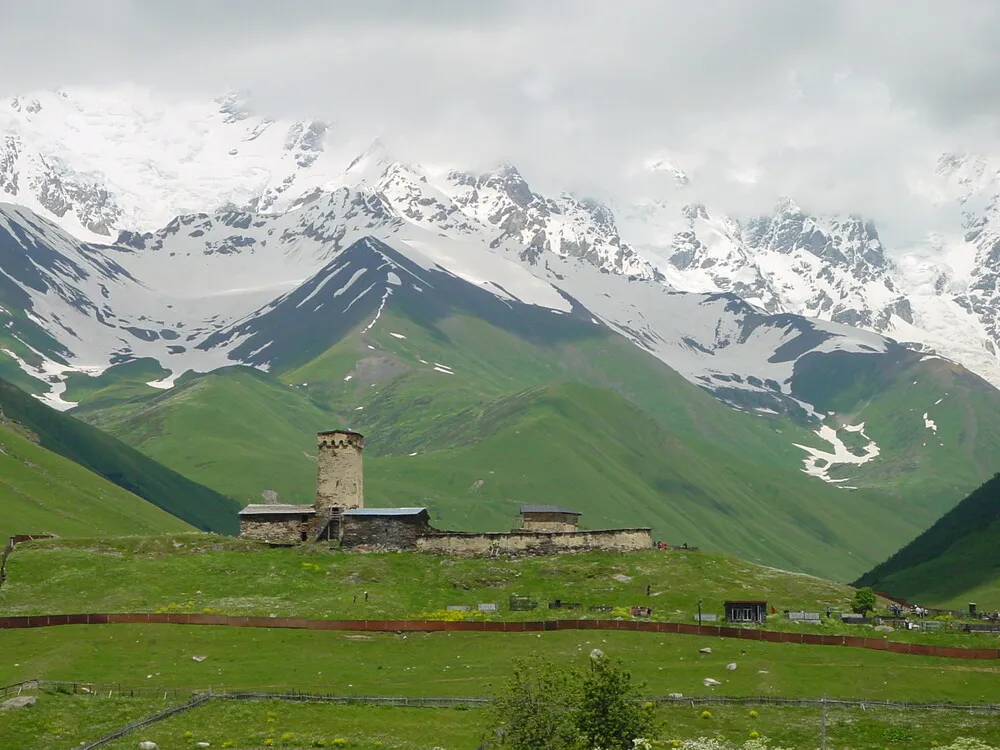
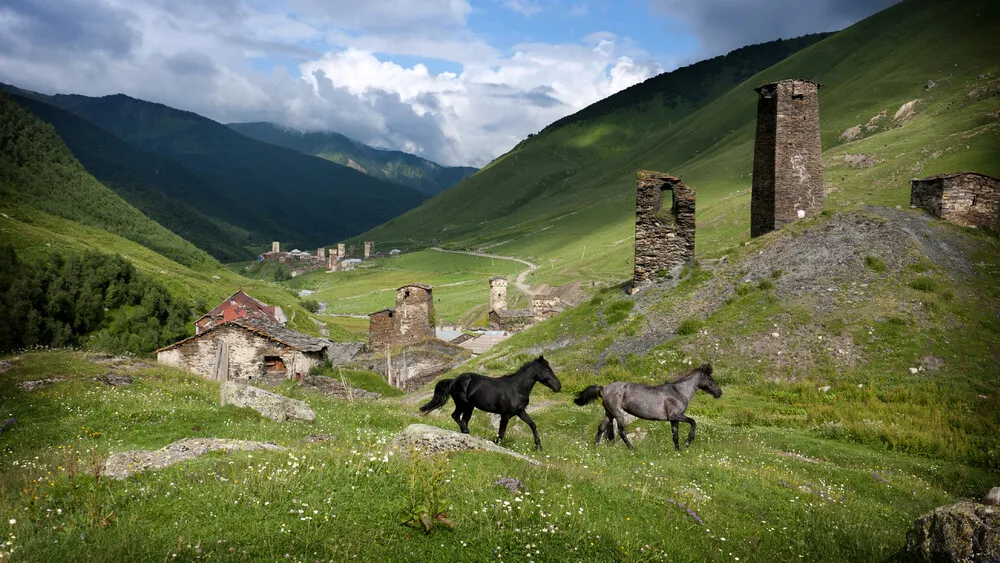
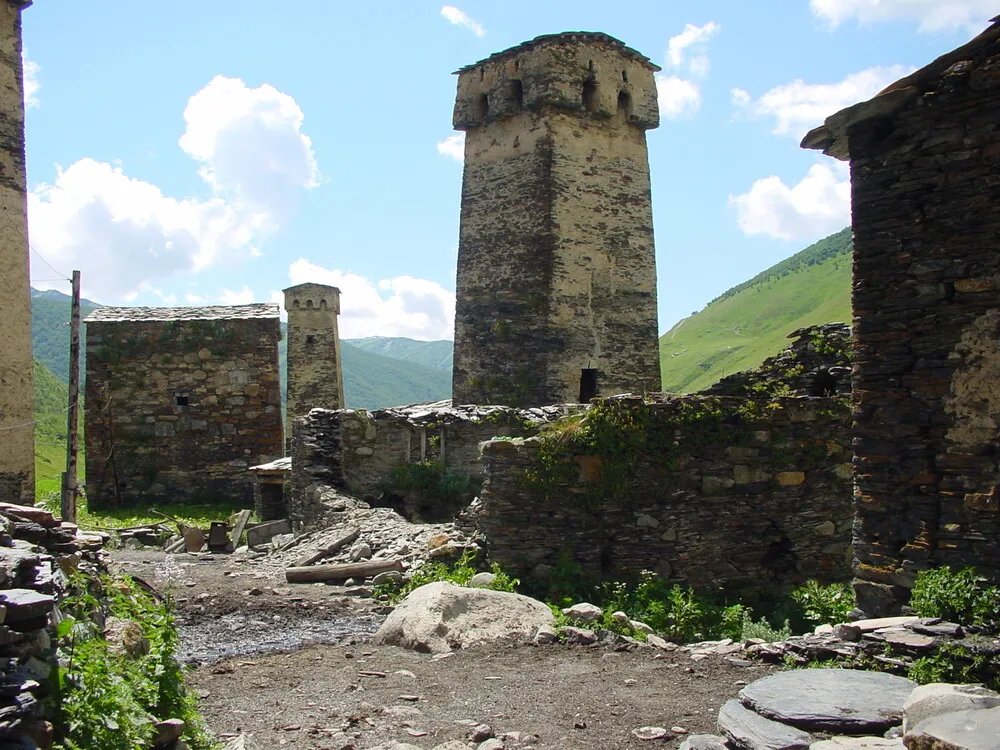
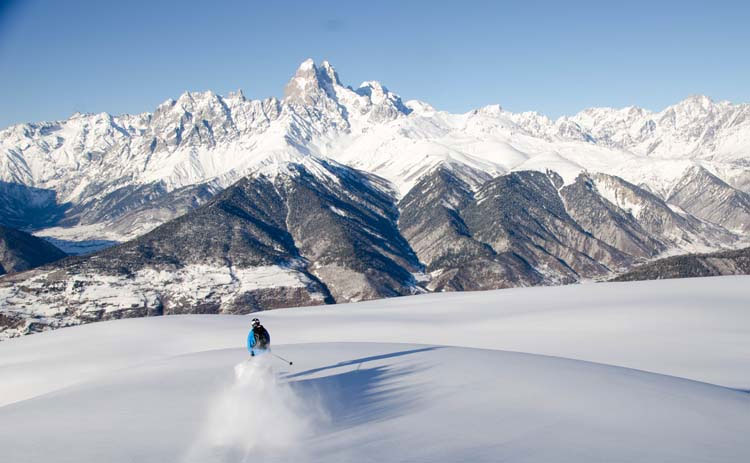
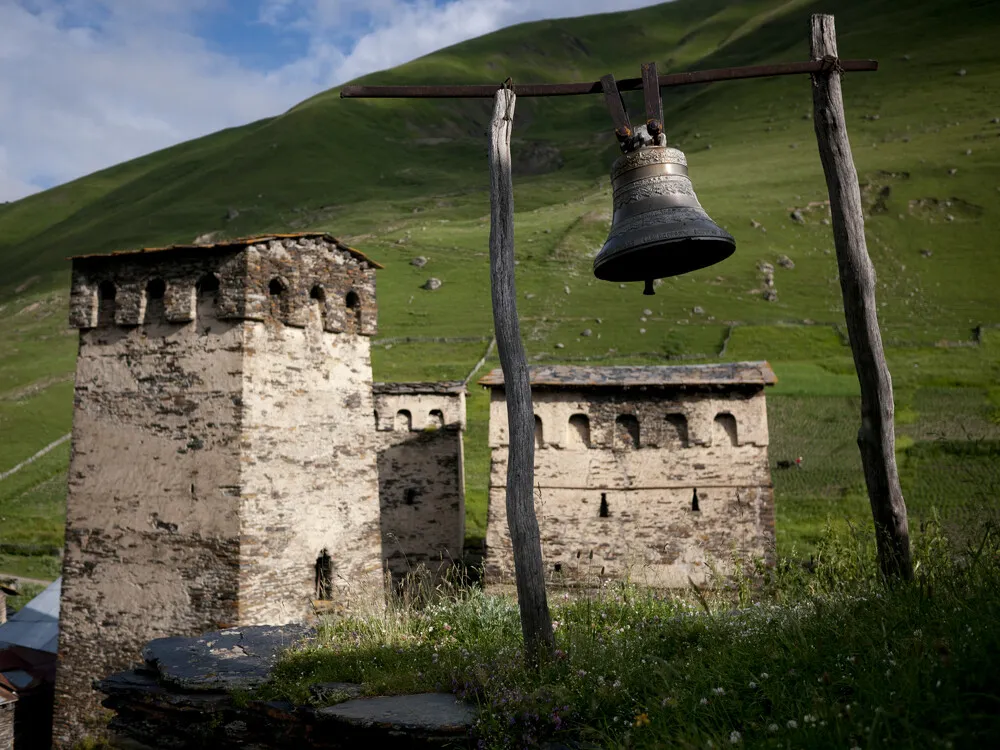
Upper Svaneti, high in the Caucasus mountains, is another striking UNESCO World Heritage Site in Georgia. Centered around the village of Mestia and the famous hamlets of Ushguli, the region preserves a rare mountain culture defined by isolation, strong traditions and dramatic landscapes. Its stone towers, clustered beside old stone houses, create a fortress-like skyline that has stood for centuries against storms, invaders and time itself.
The area’s iconic Svan towers – built between the 9th and 13th centuries – are the heart of its UNESCO value. These tall defensive structures once protected families and their livestock during conflicts or harsh winters – distributing warmth from lower to upper storeys and giving inhabitants fortified elevation for defense. Today, they offer a vivid glimpse into the daily life of medieval mountain communities. Narrow muddy paths, ancient churches with fading frescoes and majestic peaks of Shkhara and Tetnuldi give the region a timeless character that’s hard to match.
In recent decades, tourism has grown quickly, bringing both benefits and challenges. Roads have improved, guesthouses have multiplied, and more visitors are discovering Svaneti’s unique blend of history and nature. At the same time, some villages – especially Ushguli – struggle with balancing preservation and modern needs. Restoration work on towers and churches is ongoing, but maintaining authenticity is a constant concern.
Even so, Upper Svaneti keeps much of its original charm. Remote valleys, traditional stone houses and the rhythm of mountain life remain intact, especially in the higher, less-visited settlements. The region still feels like a living museum of Georgian highland culture, where the past and present meet at the slopes of the tallest peaks of Caucasus.
View on map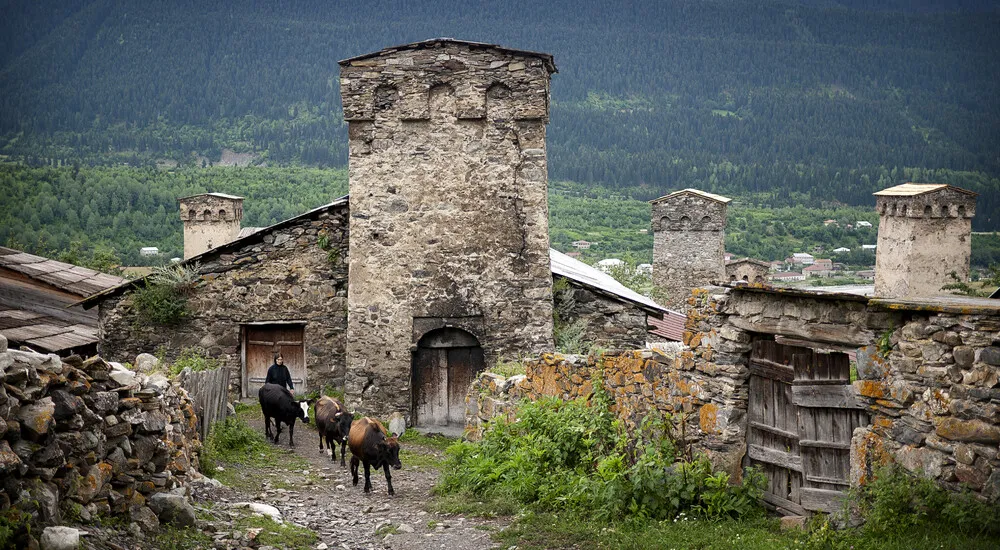
Colchic Rainforests and Wetlands
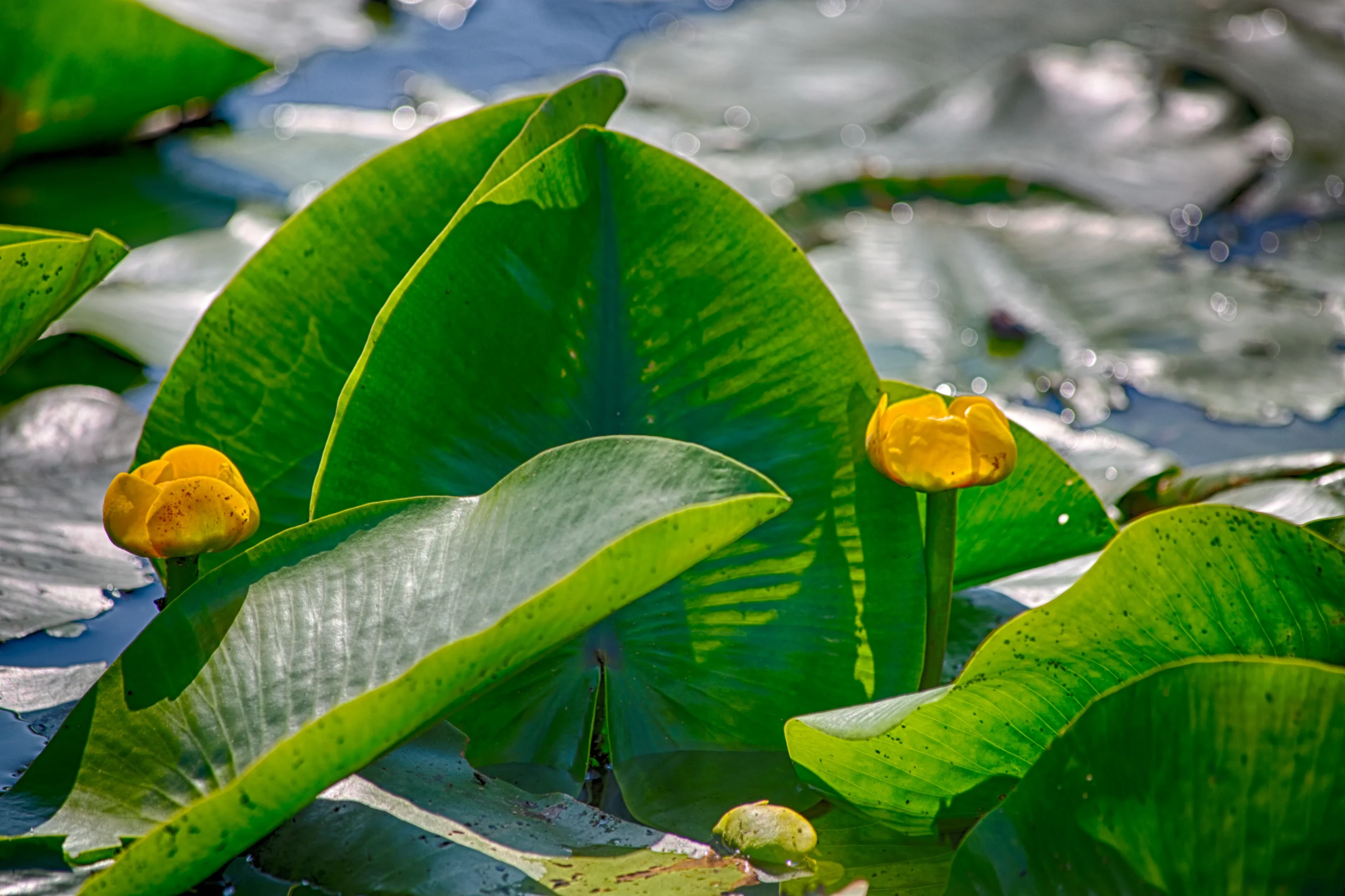
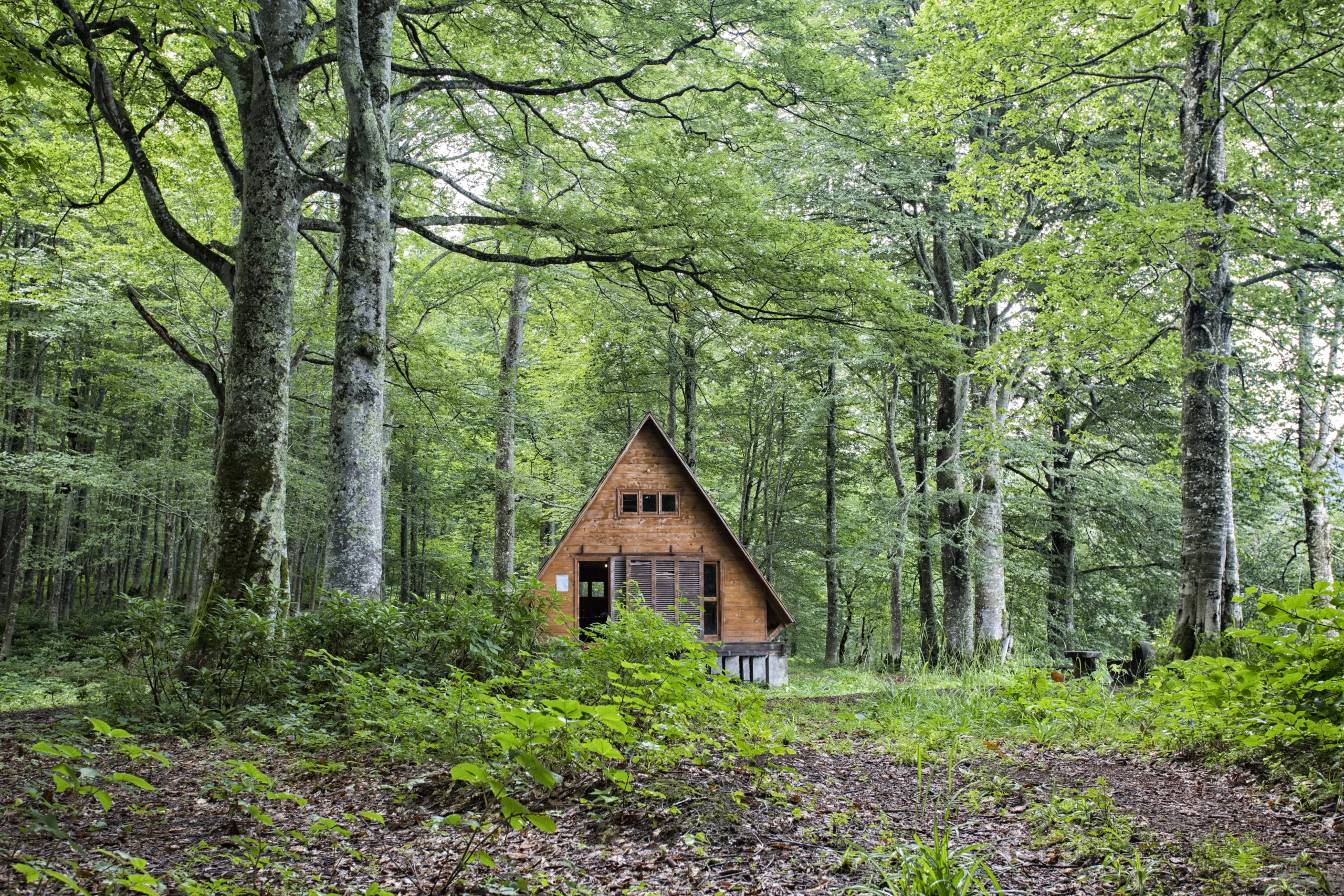
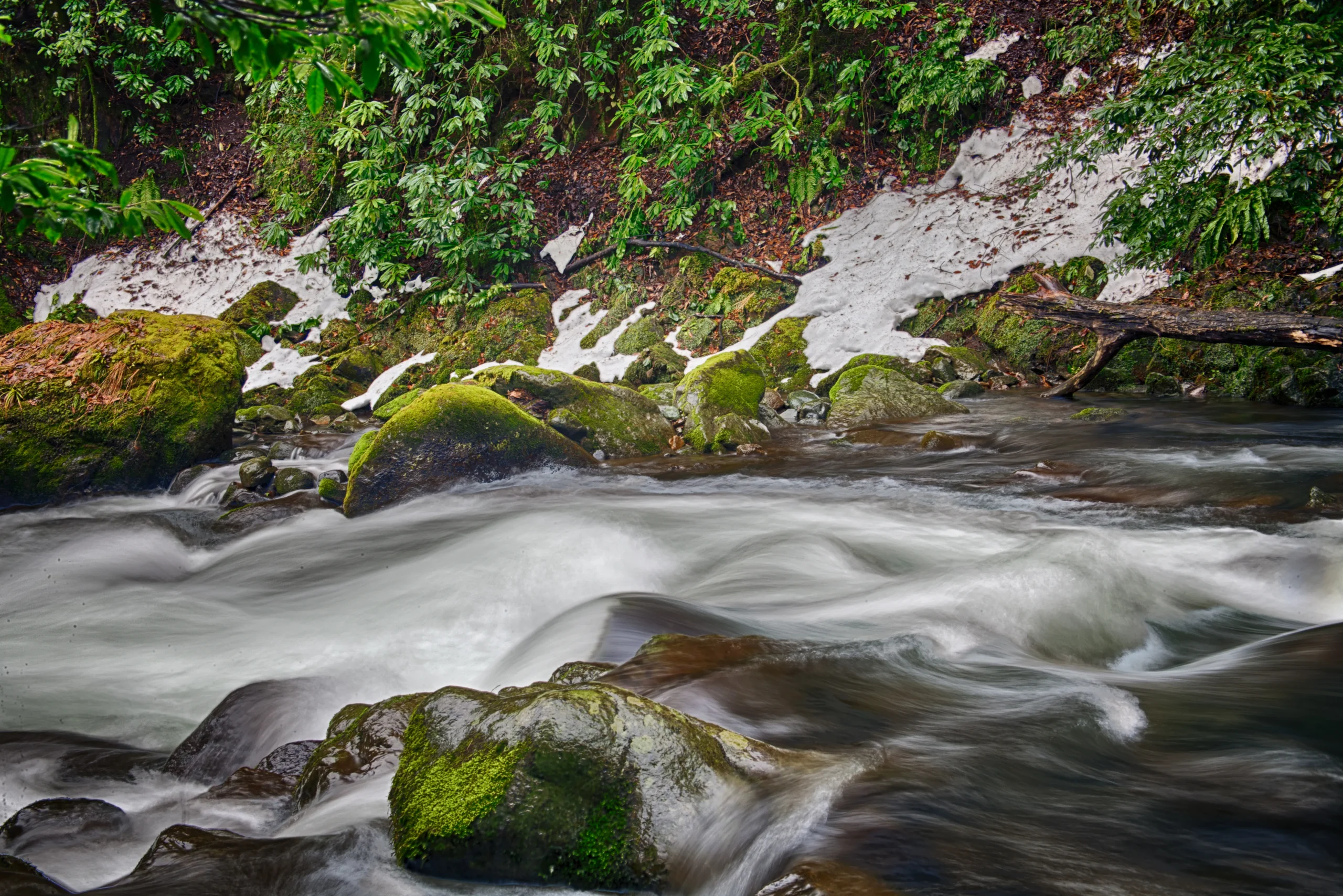
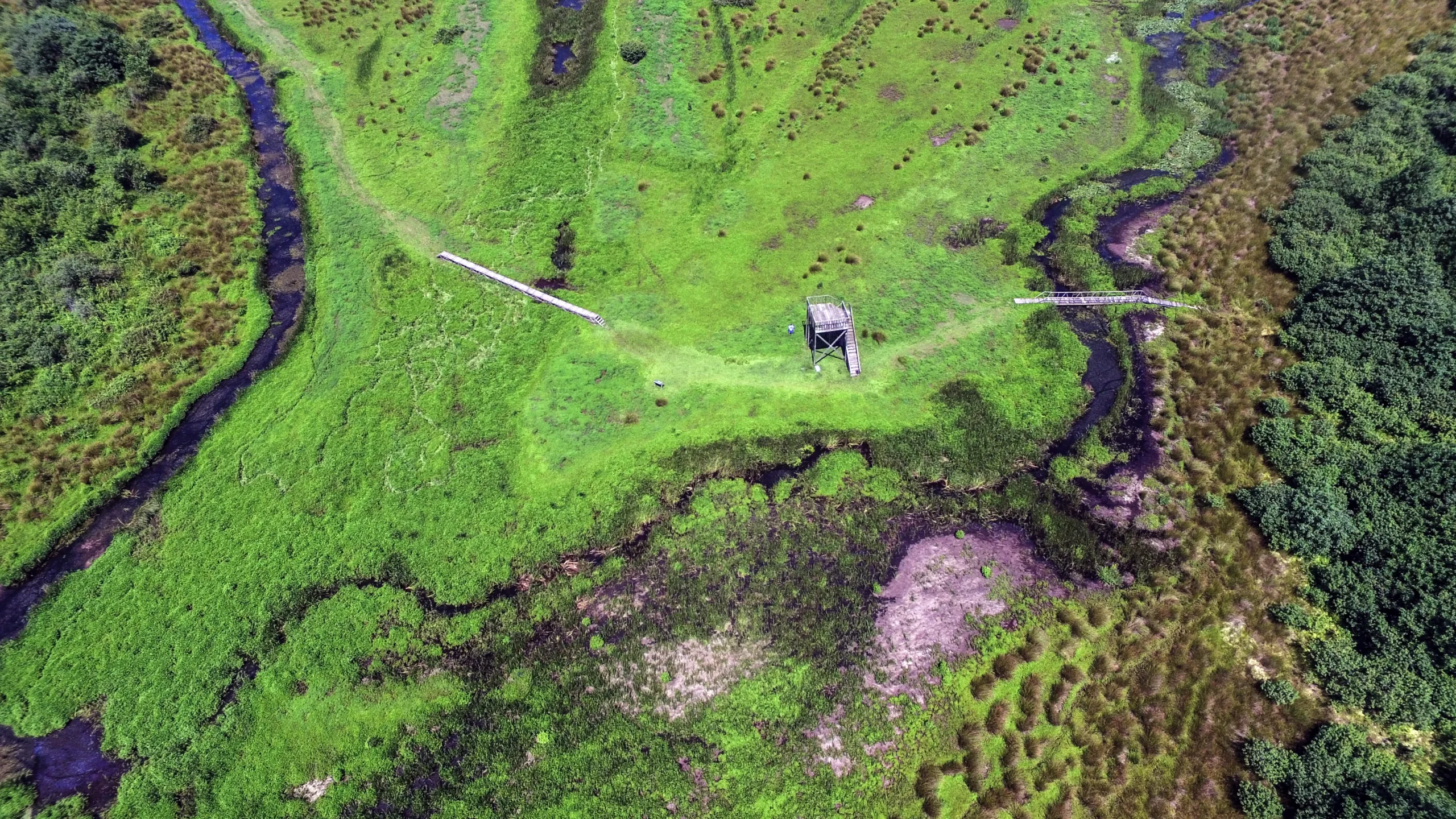
The Colchic Rainforests and Wetlands, stretching along Georgia’s Black Sea coast, form one of the country’s most remarkable UNESCO World Heritage Sites. These forests are among the oldest in Europe, surviving since the age of the dinosaurs thanks to the region’s mild, humid climate. Walking through them feels like stepping into a prehistoric landscape of deep green canopies, ancient moss-covered trees and quiet, misty rivers.
This UNESCO site includes several protected areas – such as Mtirala, Kintrishi and Kobuleti – each offering a different glimpse of the Colchic ecosystem. Rare species like the Caucasian salamander, lynx and brown bear still live here, along with countless birds drawn to the wetlands during migration. The forests are rich in endemic plants, while the peat bogs and marshes create one of the most important wetland systems in the region.
Today, the Colchic Rainforests and Wetlands are carefully managed but face ongoing pressure. Climate change, nearby development and occasional illegal logging threaten the fragile balance of the ecosystem. Conservation teams work to restore peatlands, monitor wildlife and protect forest corridors, while local communities and park rangers help maintain sustainable tourism routes.
Despite these challenges, the area remains one of Georgia’s wildest and most enchanting natural regions. Misty trails, dense forests and silent wetlands create an atmosphere far removed from everyday life. Visitors come for bird-watching, hiking or simply the chance to experience a landscape that has changed little for millions of years – one that still carries the quiet, ancient heartbeat of the Colchic world.
View on map